
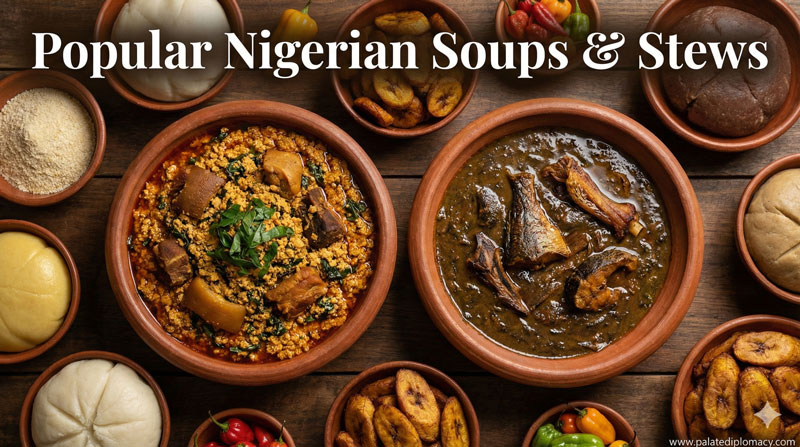
A Dish with Deep Roots
Ogbono soup is A Beloved Nigerian staple, a dish that fills many kitchens with warmth and memory. Its story is told in the quiet moments of family meals, in markets where seeds are bought fresh, and in the gentle simmer of a pot. The soup invites conversations, smiles, and a sense of belonging. It is a celebration of simple ingredients brought together with care and craft. In every bowl, you can sense tradition, craft, and the beauty of a well-made meal.
The Main Ingredients and What They Do
Ogbono soup hinges on a few key elements, each adding character to the pot.
- Ogbono seeds: ground into a smooth paste that thickens the soup and gives it a creamy, silky texture.
- Palm oil: lends a rich red-gold color and a warm, nutty aroma.
- Proteins: beef, goat, or chicken appear in chunks, while stockfish or dry catfish add ocean-spark and depth.
- Aromatics: onions and peppers provide brightness and balance.
- Greens: ugwu (fluted pumpkin leaves) or spinach brighten the color and offer a fresh finish.
- Seasonings: crayfish and, to some cooks, iru (locust beans) for an extra layer of fragrance; salt and a stock cube sometimes join the mix.
- Liquids: water or broth keep the pot flowing and help the paste blend smoothly.
These ingredients work together to create a soup that is both comforting and bright, with a texture that feels luxurious yet familiar.
Techniques That Honor Tradition
The preparation of Ogbono soup blends care with technique.
- Start with a warm pot and a gentle sizzle of onions in palm oil to release aromatics.
- Grind the ogbono seeds to a paste. Some cooks toast the seeds lightly first for a deeper aroma.
- Add the paste gradually, stirring steadily to Avoid lumps. The paste should melt into the liquid and thicken the soup.
- Introduce proteins and simmer until they are tender and flavorful.
- Stir in greens at the end to preserve their color and fresh bite.
- Finish with a bright note from peppers and salt, then let the soup rest for a moment so flavors can mingle.
The result is a sauce-like soup with a friendly gloss and a depth that comes from patient simmering.
Regional Variations in Ogbono Soup
Across Nigeria, homes and restaurants offer gentle variations that reflect local tastes.
- Some cooks pair ogbono with different greens, using spinach in some places and ugwu in others.
- The choice of meat or fish shifts the character of the broth, from light chicken to richer beef or goat.
- A few kitchens blend in additional flavor notes, such as a touch of peppery spice or a hint of herbs, while keeping the core texture and charm intact.
- Even the level of thickness can vary: some prefer a lighter, more broth-like soup, while others savor a robust, dense body.
These variations show how Ogbono soup adapts without losing its essential voice. The dish remains clearly Nigerian, while its small differences celebrate local tables and tastes.
The Ritual of Serving and Sharing
Ogbono soup is often enjoyed as a social meal. It arrives hot, steaming, and inviting. Most commonly, it is paired with “swallow” foods like pounded yam, fufu, or lafun, which are used to scoop up the soup. The act of sharing a pot, passing bowls, and offering seconds creates a gentle cadence of hospitality. In homes and eateries alike, the bowl becomes a place where family and friends come together to savor texture, aroma, and memory.
Pairings and Food Roles in Nigerian Tables
This soup shines in harmony with other dishes and table rituals.
- The swallow base (pounded yam or fufu) makes the experience interactive and satisfying.
- A light salad or side of beans can balance the meal with freshness.
- The colors—gold from the oil, green from the leaves, and the deep tones of the meat—make the meal visually inviting.
- Ogbono soup stands out in both everyday meals and special family gatherings, adding a sense of celebration to ordinary days.
The Beauty and Flavor of Ogbono
Beyond its taste, Ogbono soup offers a sensory story. The scent of palm oil and toasted seeds fills the kitchen, while the creamy texture invites a slow, mindful bite. The soup carries a confidence—an assurance that simple seeds, careful technique, and thoughtful combinations can become a dish of national character. It is a reminder that food can be generous, elegant, and deeply rooted in everyday life.
Preserving a Living Tradition
To honor the dish is to respect the balance of tradition and personal touch. Try learning from a seasoned cook, but also feel free to adjust to your own palate. Use fresh ingredients, time your simmering, and pay attention to color and texture. In doing so, you keep Ogbono soup vibrant for future meals and future cooks.
If you are new to the dish, approach it with curiosity and patience. Let the aroma guide you, the texture delight you, and the companionship of a shared meal remind you of the beauty at the heart of Nigerian Food Culture. Ogbono soup is more than a recipe; it is a gentle, rewarding journey through flavor, family, and pageantry of the table.