
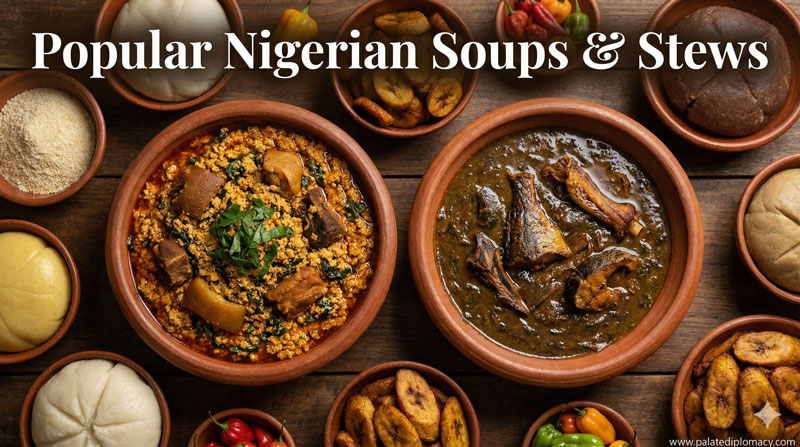
A warm welcome to Banga Soup
Banga soup welcomes you with a rich aroma and a glossy, dark broth. This dish is A Beloved part of Niger Delta cuisine and a staple at family gatherings. When the pot opens, you’ll notice a nutty, slightly sweet fragrance that speaks of palm fruit and patient simmering. Locals often serve it with starches that soften the bold soup and invite long, thoughtful bites. In short, Banga soup is more than food; it is a social ritual that surrounds sharing, conversation, and hospitality.
What is Banga soup?
Banga soup, sometimes called palm fruit or palm oil soup, centers on palm fruit extract. The oil from ripe palm fruit gives the soup its signature color and body. Into this base go meats or fish, and a chorus of aromatic spices. Common additions include dry fish, smoked fish, and a touch of crayfish for depth. Periwinkles or other shellfish can stay on the plate for texture and a hint of briny sweetness. Local herbs and peppers lift the pot, while an optional scent leaf or basil-like herb adds a fresh finish. The result is a deeply satisfying, balanced dish that showcases patience, technique, and regional flavor.
Cultural resonance of Banga soup
Banga soup embodies care, welcome, and regional pride. It is a dish families share during celebrations, traditional feasts, and weekend meals. The act of serving a guest a bowl of Banga soup signals respect and hospitality. The simmering pot becomes a center for memory: stories are told, questions are asked, plans are made, and laughter flows. The dish also reflects the community’s relationship with the land and sea. Palm fruit, seafood, and herbs come together in harmony, reminding everyone of abundance and connection. In this way, Banga soup stands as a cultural touchstone that honors tradition while inviting personal variation.
How locals prepare Banga soup at home
First, cleanse and prepare the palm fruit extract. Then simmer it gently to release its fragrance. Next, add your chosen proteins—fish, beef, or goat—so the flavors mingle. After that, fold in spices, onion, and a pinch of salt. A quick addition of crayfish or dried fish heights the savory notes. Finally, finish with a fresh leaf like scent leaf, if desired, and adjust heat to taste. Throughout, the goal is balance: the broth should be vivid but not overpowering, and the texture should be smooth with occasional bites of protein. With practice, each family learns how to tailor the soup to their pantry and preferences, keeping the tradition alive.
Serving and etiquette: how to enjoy like a local
Begin by presenting the soup with a generous portion of meat or fish. Then invite guests to mix in the starch options, such as fufu, pounded yam, or garri, until the consistency suits their preference. Sip the broth first to savor the aroma, and then take bites with the starch to enjoy the interplay of textures. Use your hand to break a small piece of starch, dip into the soup, and savor the combination. In social settings, murmured compliments about flavor and aroma are common and welcome. The pace should be relaxed, with time for conversation between bites. Above all, savor the warmth of the moment as much as the flavor.
Regional variations and seasonal notes
Across the Niger Delta, cooks tailor Banga soup to local tastes. Some regions favor a thicker, oil-rich version, while others prefer a lighter, clearer broth. Proteins vary from fish to lean meats, and the choice of greens or herbs shifts with seasonality. Spices may include calabash nutmeg (ehuru) and other local aromatics. Periwinkles and other coastal ingredients appear in some kitchens, adding texture and depth. These variations celebrate local abundance and creativity while keeping the dish recognizable across communities.
Pairings and accompaniments
The most traditional pairing is a soft, resilient starch. Fufu, pounded yam, or garri each offer a different experience with Banga soup. Some diners enjoy adding a side of vegetable relish or a light pepper sauce to refresh the palate between bites. A cool beverage or a fresh fruit addition can balance the richness of the soup. The key is harmony: choose accompaniments that enhance the soup without overwhelming its core flavors.
Where to find Banga soup and how to order
Look for Banga soup in eateries that celebrate Niger Delta cuisine or Nigerian regional specialties. In markets and local restaurants, you’ll often see it on the menu with a note about proteins and starch options. When ordering, you can ask for your preferred protein and starch, and you can specify the spice level. If you’re cooking at home, ask for guidance from a Local cook or signpost to trusted recipe sources to capture the authentic balance.
A closing note: celebrating this dish
Banga soup invites curiosity and respect. It offers a window into how communities honor ingredients, technique, and shared meals. The dish rewards patience and attentiveness to aroma, texture, and flavor. By trying it with an open palate and a willingness to explore variations, you join a vibrant Food Culture that delights in hospitality and craft. May your experience with Banga soup be flavorful, comforting, and warmly memorable.