
Introduction: How Afang Soup Reflects Nigerian Food Culture
Afang Soup is a favorite that many Nigerian kitchens celebrate with pride. It is more than a recipe; it is a window into how communities grow, share, and welcome guests. The dish brings together tender leaves, rich broth, and robust seasonings in a way that feels both homey and refined. In Afang, we see the beauty of everyday ingredients becoming something special through care, technique, and a sense of place. The result is a dish that speaks of welcome, balance, and tradition, while still feeling fresh and modern at every table.
The Core of Afang: Leaves, Texture, and Flavor
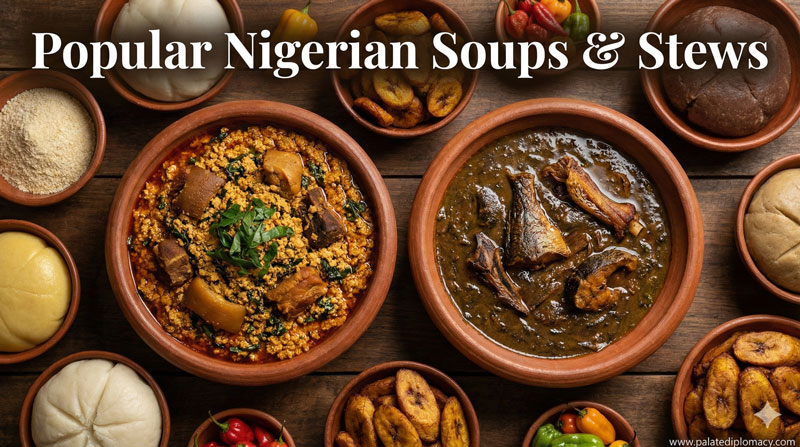
Afang Soup centers on its distinctive greens. Afang leaves contribute a bright, verdant note and a unique, toothsome texture that readers can imagine as slender ribbons softened in soup. Water leaves, or other local greens, add a silky smoothness that counterpoints the sturdier Afang leaves. The combination creates a layered texture: first a gentle pull from the greens, then a deeper savor as the broth thickens with palm oil and dried fish or shrimp.
Flavor comes from a careful blend of ingredients. Meats and sometimes seafood lend a meaty, comforting backbone. Crayfish adds a bright, nutty pop, while stockfish or dried fish lends umami and a hint of ocean brightness. Palm oil gives the soup its warm, amber glow and a subtle, roasted note. The result is a bowl that feels generous and generous-minded: bold where needed, soft where it matters, and always inviting.
This harmony mirrors a broader Nigerian culinary instinct: balance between greens and protein, between earthiness and brightness, between abundance and seasonality. Afang demonstrates how a few well-chosen elements can carry a dish from everyday nourishment to something that feels ceremonial without losing its warmth.
Cooking as Culture: Techniques and Shared Moments
Preparation of Afang is a social act as much as a culinary craft. Families often gather around a sturdy pot, with helpers taking on tasks that suit their hands and pace. Leaves are washed, trimmed, and sliced. Some cooks pound or puree portions of the greens to release their juice and soften their texture; others fold the chopped greens directly into the bubbling broth. The meat and fish are seasoned, then simmered to tenderness, developing a deep, homey aroma that drifts through the kitchen and beyond.
Afang cooking blends patience with precision. The greens are not rushed; they meet the stock and oil in a careful sequence so that each element retains its character while sharing a common, comforting mouthfeel. The result is a fragrance that feels familiar and welcoming—an invitation to take a seat, share a story, and savor the moment together. This approach reflects a broader Nigerian value: food is a bridge between generations, a way to pass down technique, taste, and tasteful hospitality.
Serving and Savoring: Afang on the Table
Dining with Afang is a communal pleasure. It is commonly served in large bowls, ready for everyone at the table to scoop and share. The pairing with fufu varieties—pounded yam, cassava fufu, or garri—enhances the experience. Diners scoop the green, glossy soup, then wrap it around a portion of fufu before savoring the first bite. The act of dipping, rolling, and lifting creates a rhythm that punctuates the meal.
Afang’s color and aroma also tell a friendly story. The green depth of the leaves contrasts with the warm tint of the palm oil, while the pieces of meat and fish offer familiar textures. The soup invites careful tasting—first the aroma, then the balance of greens and broth, and finally the satisfying bite of protein and the soft chew of the leaves. It is a dish born of hospitality: generous, nurturing, and designed to slow a moment so friends and family can linger over their conversation as long as the meal lasts.
Regional Voices: Variations Across Nigerian Kitchens
While Afang Soup is widely beloved in southern Nigeria, local families bring subtle differences that enrich the dish. In Efik and nearby communities, cooks may emphasize the greens more or adjust the balance between palm oil and water leaves. Some households blend the leaves briefly to create a smoother texture, while others prefer a chunkier finish that signals rustic charm.
Variations often reflect what is available in markets or what a cook’s palate prefers. Crayfish and stockfish are common, but some kitchens include smoked fish or other seafood for a nuanced depth. The choice of proteins—beef, goat meat, or offals—also shapes the character of the final dish. Across kitchens, the core idea remains the same: Afang is a nourishing, flavorful soup built on greens, a savory broth, and warmth shared among tasters.
Seasons, Sustainability, and Local Sourcing
Afang Soup showcases seasonality in a delicious way. Fresh Afang leaves and water leaves are best when they are at peak flavor, often harvested from regional markets or home gardens. This emphasis on freshness reinforces a sustainable practice: cooking with what is ripe, local, and available. When the greens are in season, the soup feels brighter and more vibrant; when not, cooks can adapt with nearby greens while preserving the dish’s spirit.
Sourcing through local markets supports growers and keeps long-standing flavors alive. The practice also encourages mindful preparation—choosing ingredients that complement each other and building a dish around what can be cooked with care in a single pot. Afang invites cooks to think about The Story behind each leaf and piece of protein, recognizing the effort that brings them to the table.
A Dish That Speaks of Community and Craft
Afang Soup embodies a culture that values generosity, craft, and shared experience. Its beauty lies not only in taste but in the way it gathers people. The greens, the broth, and the proteins come together to form a dish that feels both grounded and celebratory. It celebrates the abundance of a harvest, the skill of a home cook, and the warmth of a welcome.
For anyone exploring Nigerian Food Culture, Afang offers a clear message: a great dish can arise from humble ingredients when prepared with care and kindness. It is a reminder that nourishment is most meaningful when it brings people together, when stories are exchanged across a pot of soup, and when the table becomes a place to celebrate the day’s harvest and the company around it.
Conclusion: The Heartbeat of Nigerian Food Culture
Afang Soup stands as a testament to the beauty of Nigerian cuisine. It honors greens and grains, proteins and patience, and the simple act of sharing a meal. It teaches us that flavor can be deeply satisfying without being complicated, and that culture can be tasted in the careful balance of texture, aroma, and color. In every pot, Afang carries the spirit of hospitality, community, and craft. It is a dish that invites every guest to relax, savor, and feel welcome at The Heart of Nigerian food culture.