
Introduction
Afang soup stands as a bright and cherished part of Nigerian cuisine. It celebrates greens, comforting textures, and the warmth of shared meals. This dish offers more than sustenance; it carries a sense of place, memory, and everyday artistry. In kitchens across the country, Afang soup invites conversations, passes down family practices, and showcases how carefully chosen ingredients become a story on a plate. As you explore its cultural value and culinary significance, you’ll glimpse how a simple bowl can connect generations and celebrations.
What is Afang Soup?
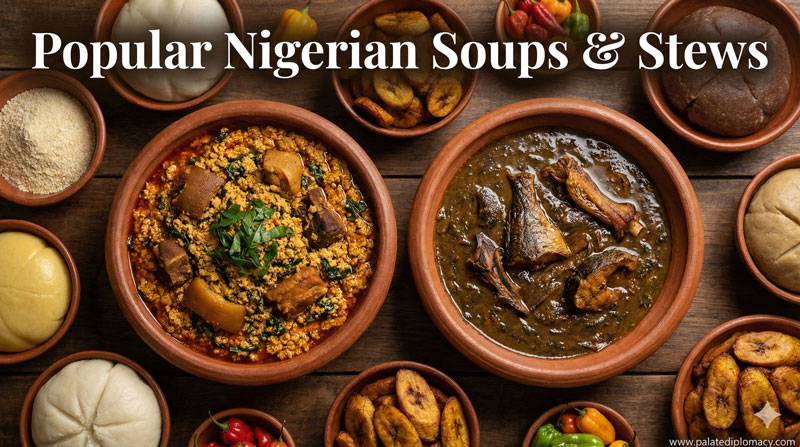
Afang soup, also known as Ofe Afang, is a hearty Nigerian soup built around two tender greens—Afang leaves (also called Okazi) and water leaves—plus a generous foundation of palm oil. The greens provide depth, while palm oil lends a velvety richness. Cooked with beef, assorted meats, stockfish, and sometimes dried shrimp or periwinkle, Afang soup achieves balance through texture and aroma. Crayfish and local spices deepen the flavor, and the result is a soup with a lush green core, bright oil sheen, and a satisfying, slightly chewy bite from the leaves. The dish is versatile: families adapt the mix of proteins, the level of heat, and the tenderness of the greens to suit gatherings, seasons, and personal taste.
The Roots in Nigerian Cuisine
Afang soup has deep roots in the Niger Delta region, where Efik and Ibibio culinary traditions thrive. In homes and markets, the soup reflects local harvests and seasonal ideas. The two leafy greens form a natural pairing: Afang leaves bring earthiness and a sturdy bite, while water leaves soften the overall texture and add a bright note. Across households, the recipe is passed down with care, often accompanied by stories of where the greens were found, which fish dried by the river, and who prepared the meal for the family. This continuity gives Afang soup its sense of place and belonging, turning a meal into a shared cultural moment.
Flavor, Texture, and Techniques
Afang soup offers a symphony of textures and flavors. The greens contribute a fresh, grassy aroma and a gentle chew, while palm oil delivers a smooth, warm finish that glows in the light of a simmering pot. Proteins bring savor: tender beef, mackerel or stockfish add depth, and crayfish or dried shrimp intensify the oceanic sweetness. The technique matters as much as the ingredients. Leaves are cleaned and lightly blanched to preserve color and bite. The broth obtains body from the meat and stockfish, then thickens with ground spices and seafood. The final stir brings a glossy swirl of palm oil through the greens, making every spoonful comforting and bright. This combination—greens, oil, protein, and aroma—defines a memorable texture profile and a captivating flavor.
The Making Process: From Market to Table
A well-made Afang soup begins with careful preparation. Start with fresh Afang and water leaves, chosen for their aroma and resilience. Clean, chop, and set aside. Simmer meats in a pot with onions, seasoning, and a touch of salt until they release their depth. Add stockfish and dried fish for a savory backbone, then pour in enough water to create a steady simmer. Next, introduce crayfish and pepper, letting the flavors mingle. Finally, fold in the greens, starting with Afang leaves and finishing with water leaves to preserve their color and texture. A gentle simmer helps the leaves release their essence without overcooking. Finish with a controlled swirl of palm oil to unify the broth and give a luxurious gloss. Serve hot with fufu, pounded yam, or garri, and enjoy the sense of home in every bite.
Cultural Significance: Hospitality and Family
Afang soup embodies hospitality in Nigerian culture. It is a dish that welcomes guests with warmth and generosity. The act of cooking Afang soup often involves multiple hands: someone washes the greens, another stirs the pot, and a family member patiently tastes and adjusts seasoning. Meals centered on Afang soup are ideal for family gatherings, celebrations, and seasonal feasts. Sharing a pot signals abundance, care, and togetherness. In many homes, the soup becomes a centerpiece during special occasions, where stories flow as freely as the steam rising from the pot. The dish also reflects a respect for ingredient quality and regional variety, inviting cooks to honor local markets, seasonal harvests, and the craft of traditional cooking.
Afang Soup in Modern Nigerian Cuisine
Today, Afang soup travels beyond family kitchens and enters restaurants, food blogs, and cooking shows. In modern Nigerian cuisine, chefs celebrate its core through creative presentations and thoughtful pairings. You may find Afang soup plated with a refined glaze of palm oil, or paired with contemporary staples like fufu varieties and vibrant side salads. Home cooks share step-by-step guides and tips online, enabling others to recreate the soup with carefully sourced greens and fresh fish. The adaptability of Afang soup—from simple, everyday meals to refined restaurant offerings—demonstrates its enduring appeal and its role as a bridge between tradition and flavorful innovation.
Tips to Enjoy Afang Soup
- Pair with a starchy side: traditional fufu, pounded yam, or garri make a satisfying contrast to the rich greens and oil.
- Choose fresh greens: select Afang and water leaves that are bright in color and not wilted. Fresh leaves yield The Best texture and aroma.
- Balance the oil: palm oil adds depth; adjust the amount to achieve a glossy finish without overpowering the greens.
- Don’t overcook the greens: fold in the leaves toward the end to preserve their color and bite.
- Mind the seasoning: crayfish, pepper, and a touch of salt or stock seasoning create a harmonious depth.
- Experiment with proteins: beef, stockfish, dried fish, or shellfish all complement the greens in unique ways.
- Serve with generosity: Afang soup shines when shared, so encourage family or guests to take their fill.
Conclusion
Afang soup is more than a nourishing dish; it is a celebration of greens, patience, and communal joy. Its cultural value lies in the way it gathers people around a pot, honors regional ingredients, and turns a bowl into a doorway to memory and belonging. The culinary significance of Afang soup rests in its balance: a bright, earthy greens core, a warm palm-oil finish, and the comforting presence of meat and seafood. Through markets, kitchens, and tables, Afang soup quietly narrates the beauty of Nigerian Food Culture—how tradition and taste come together in a single, inviting dish. Whether shared at a family table or enjoyed in a modern dining room, Afang soup invites everyone to savor the craft, care, and community woven into its very essence.