
Why Egusi Soup Is One of Nigeria’s Most Loved Dishes
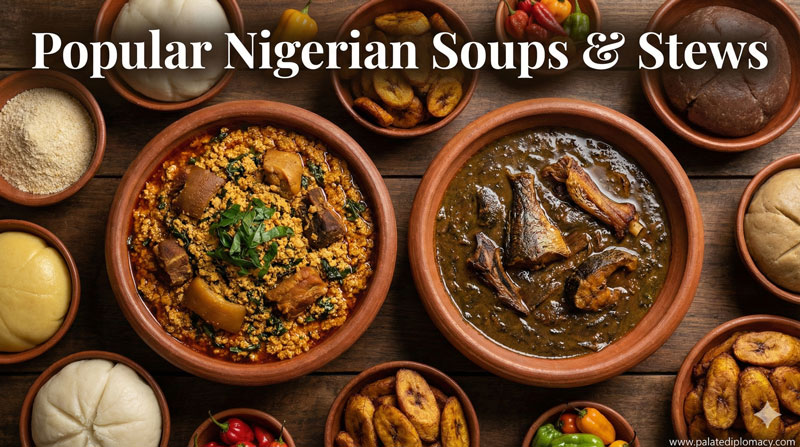
Egusi soup stands as One of Nigeria’s most loved dishes. Across many communities, it welcomes gatherings with warmth and pride. The backbone is ground melon seeds, called egusi, which thicken the soup and give a silky feel. Palm oil adds color and depth, while meat, fish, and peppers bring richness. Aromatics like onions and spices rise from the pot as the dish cooks. The result is a robust, comforting meal that nourishes both body and spirit. This is a dish that invites conversation, shared effort, and generous portions for everyone at the table.
The Heart of the Dish: Ingredients and Texture
At its core, egusi soup blends ground melon seeds with a flavorful broth. The seeds can be roasted to deepen their nutty flavor, then ground into a paste. The paste is stirred into hot palm oil and stock, where it thickens into a glossy, creamy sauce. Lumps of egusi mingle with tender meat, fish, and sometimes seafood, creating layers of texture. Leafy greens like pumpkin leaves (ugu) or spinach fold in for brightness. The texture is a balance of silkiness and bite, finished with a whisper of crunch from peppers and crayfish. From a culinary perspective, egusi showcases a signature technique: turning seeds into a thick, cohesive sauce that carries proteins and greens beautifully. The result is comforting yet complex, inviting multiple spoonfuls.
Cultural Significance: Hospitality, Family, and Celebration
Egusi soup carries notable cultural value in daily life and special moments. Families gather around the pot, letting its aroma anchor conversation and connection. The dish often graces Sunday meals, festive occasions, and simple weeknight dinners alike. Preparing egusi can be a communal activity, with different family members handling meat, greens, or seasoning. Serving egusi to guests is a clear gesture of welcome and respect. The pot becomes a focal point for sharing stories, care, and togetherness. In this way, egusi soup is more than food; it is a quiet ritual of hospitality that reflects a community’s warmth.
Regional Flavor Notes Across Nigeria
Across Nigeria, cooks adapt egusi to local tastes, giving each region a distinct voice. In Yoruba homes, palm oil and onions lead the flavor base, and ugu leaves may stand in for spinach. In Igbo households, stockfish or dried fish adds a salty backbone that deepens the sauce. Hausa cooks may introduce extra spice or additional greens to suit their palate. Yet all versions retain the thick, glossy texture and the warm, nutty taste that defines egusi. Crayfish, meat choices, and the balance of pepper connect regional styles while keeping the dish recognizably egusi.
Serving Traditions: With Fufu, Pounded Yam, or Eba
Egusi soup shines when paired with a starchy swallow. It is commonly served with fufu, pounded yam (Iyan), or eba (garri dough). Diners scoop a portion of soup and wrap it with the swallow before taking a bite. The combination creates a mouthful of smooth richness, bright greens, and savory meat or fish. The ritual of sharing strengthens hospitality and family bonds. Whether at a busy market stall or a quiet home kitchen, the serving tradition centers on generosity and togetherness.
A Simple Guide to Making Egusi at Home
Want to bring this dish to your table? Here is a straightforward path. First, season your chosen meat and simmer it to tenderness. Next, roast or toast the egusi seeds, then grind them into a fine paste. Third, heat palm oil, sauté onions and peppers, and add stock. Fourth, whisk in the egusi paste and simmer until the sauce thickens and becomes glossy. Fifth, fold in greens and adjust salt and spice. Finally, serve with fufu, pounded yam, or eba. You can adapt greens, spices, and proteins to suit your taste, making egusi a flexible and welcoming dish.
A Dish for All Seasons
Egusi soup welcomes all seasons with warmth and nourishment. Its flavors celebrate Nigerian Food Culture and show how a few humble ingredients can become deeply loved. The dish invites us to slow down, share a meal, and savor the moment. In every pot, egusi tells a story of care, skill, and community. This is a dish that invites smiles, conversation, and gratitude around the table.