
Introduction
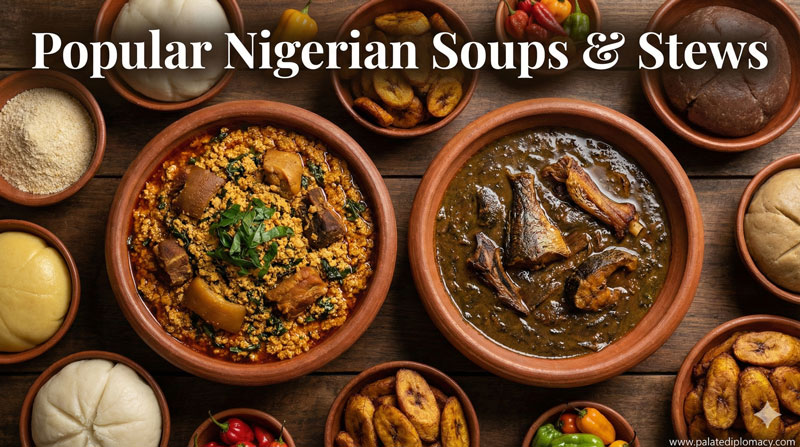
Afang soup is a vibrant Heart of Nigerian cuisine. Its bright green strands and rich aroma invite the senses to come closer. This dish, rooted in the Niger Delta’s culinary heritage, showcases how simple greens can become a festival of flavor. People gather around the pot, sharing stories as much as they share spoons. The dish stands as a respectful symbol of hospitality and craft in households across Nigeria.
Core ingredients and their stories
Afang leaves, also known as Gnetum africanum, bring a distinct, slightly glossy texture. They are paired with water leaves, which soften into a silky, velvet-like base when cooked. Palm oil adds color and depth, while ground crayfish and stockfish contribute a gentle ocean note. Meats such as beef or shanks, plus sometimes snail or fish, enrich the pot. Each component plays a role, and together they tell a story of careful harvest, family sourcing, and patient preparation.
The cooking method and texture
The process begins with washing and slicing the Afang leaves into slim, ribbon-like strands. Water leaves are added next to create a broad, comforting body. The mixture simmers slowly, allowing the greens to release their character without losing bite. Palm oil is stirred in for warmth and sheen, followed by seasoned proteins. The result is a thick, textured sauce with strands of greens that hold their shape, dancing with the sauce rather than dissolving into it.
Flavor, aroma, and culinary technique
Afang soup balances earthy Greens with a bright, glossy oiliness. The aroma rises with the first simmer and lingers as the pot rests. Subtle saltiness from the meats and a gentle kick from peppers keep the palate engaged. Crayfish and stockfish deliver occasional bursts of seafood sweetness, while the greens provide a grassy, fresh note. The overall effect is luxurious yet approachable, a dish that rewards careful stirring and patient cooking.
Cultural significance in Nigerian cuisine
In many Nigerian homes, Afang soup is a centerpiece for family meals and celebrations. It is a dish shared with guests, signaling warmth and welcome. The act of preparing Afang connects generations: younger cooks learn from elders, following time-honored steps that have endured for years. The greens themselves are a living link to the land, reminding families of harvests, markets, and local producers. In this way, Afang is more than nourishment; it is a cultural ritual of care and connection.
Regional variations and adaptations
Across the southern regions, cooks adapt the recipe to honor local tastes and ingredients. Some households emphasize more water leaves for a lighter texture, while others favor a thicker, leafier batch. Proteins may vary from fish to beef, snail to stockfish, each choice shaping the final aroma and mouthfeel. Yet the core idea remains: a generous pot of greens, a warm sauce, and shared spoons around the table.
Rise in popularity and accessibility
In recent years, Afang soup has moved from family kitchens to restaurant menus and cooking blogs. Its striking color and hearty texture catch the eye in photographs and on plates. Home cooks demonstrate techniques online, and seasoned chefs translate the dish for broader audiences. This accessibility has helped Afang become a beloved option beyond its original communities, while staying true to its roots. The dish thrives on its storytelling through flavor, color, and shared experience.
Serving traditions and pairings
Afang pairs beautifully with starchy side dishes such as pounded yam, fufu, garri, or pounded yam flour. It is common to serve it in large bowls, inviting everyone to dip and share. A small take of palm oil aroma at the surface can be enticing, and a squeeze of fresh lime or a touch of pepper can tailor the heat. The pairing emphasizes comfort, nourishment, and the feeling of home in every bite.
Tips for cooking Afang at home
Choose fresh Afang leaves and bright green water leaves if possible. Slice Afang finely to maximize its texture. Simmer gently to preserve the leaf strands while developing a glossy sauce. Balance flavors with a moderate amount of palm oil and a careful amount of seasoning. Finish with the proteins you enjoy, and allow time for the flavors to mingle before serving. Your kitchen can become a welcoming space where tradition meets contemporary tastes.
Conclusion
Afang soup stands as a rich, inviting voice in Nigerian cuisine. It celebrates the beauty of greens, the depth of palm oil, and the generosity of shared meals. From humble home kitchens to modern eateries, Afang continues to remind us that food is culture made edible. Embrace a pot of Afang, and you embrace a piece of Nigeria’s culinary heart.