
Introduction
Discover the Bold Flavors of Ogbono Soup invites you to taste a tradition. This dish is a celebration of patience, skill, and shared meals. It blends ground ogbono seeds, palm oil, and a mix of spices into a thick, glossy soup. The result is a silky texture with a nutty, comforting aroma. Through this dish, you glimpse how cooking ties families and communities together.
Core Ingredients and Craft
Ogbono soup centers on three elements: the seeds, the oil, and the stock. The ogbono seeds are toasted and ground into a fine paste. This paste is stirred into hot stock to build the soup’s body. Meats, fish, or dry stock add depth, while crayfish and peppers sharpen the flavor. Green leaves or vegetables often join in, providing color and freshness. The result is a versatile canvas for regional touches.
Texture and Flavor Profile
The dish is known for its velvety mouthfeel and glossy sheen. The oil carries a warm, nutty note, while the seeds contribute complexity and body. Pepper adds a gentle heat, balanced by savory stock and protein. The flavors mingle slowly, inviting you to savor each layer. It is a dish that rewards careful simmering and attentive stirring.
Regional Traditions and Cultural Value
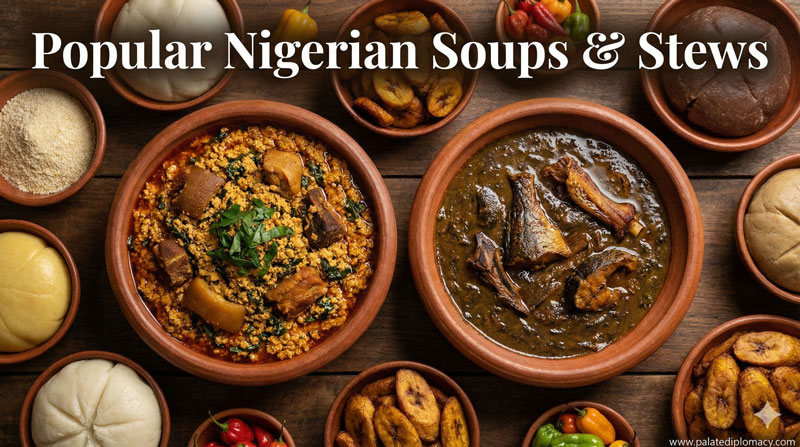
Ogbono soup holds a cherished place in many kitchens. It appears on Sunday tables and during celebratory meals. In various communities, it pairs with pounded yam, fufu, or garri, adapting to local preferences. The preparation process—grinding the seeds, blending spices, and layering ingredients—becomes a shared craft. Families pass techniques and tweaks from generation to generation, keeping the recipe vibrant and alive. The dish embodies hospitality, generosity, and the joy of cooking together.
The Social Table: Sharing and Ceremony
Cooking ogbono is often a communal activity. A large pot can nourish many households at once. Spoons, bowls, and laughter circulate as stories are told and plans for the day unfold. Serving with friends and relatives turns a meal into a time of connection. In this way, the dish acts as a social fabric, weaving conversations with taste and aroma.
Techniques that Elevate Ogbono
Elevating ogbono requires mindful steps. First, toast the seeds to unlock their aroma. Next, grind to a smooth paste for even thickening. Then, add stock gradually to control the texture. Maintain a gentle simmer to Avoid burning the paste. Finish with the chosen proteins and greens for depth and balance. These techniques honor the dish’s character and ensure a lustrous finish.
Serving Ideas and Pairings
Traditionally, ogbono is enjoyed with fufu, pounded yam, or garri. A side of leafy greens or sliced vegetables adds brightness. Crayfish and dried fish offer bursts of savoriness. A light pepper sauce on the side lets each diner tailor the heat. The combination celebrates comfort, nourishment, and craft in every bite.
Nutritional Insight
Ogbono seeds provide healthy fats and protein, while the stock brings minerals and flavor. Leafy greens contribute fiber and vitamins. The dish, when balanced with moderate meat and controlled oil, offers a hearty, satisfying meal. It is a nourishing expression of home cooking that many families treasure.
A Closing Note: Honoring a Shared Recipe
Ogbono soup stands as a vibrant thread in the fabric of Food Culture. It invites cooks to honor tradition while welcoming new taste experiences. With every bowl, it celebrates hospitality, skill, and the beauty of a well-made, soulful dish.