
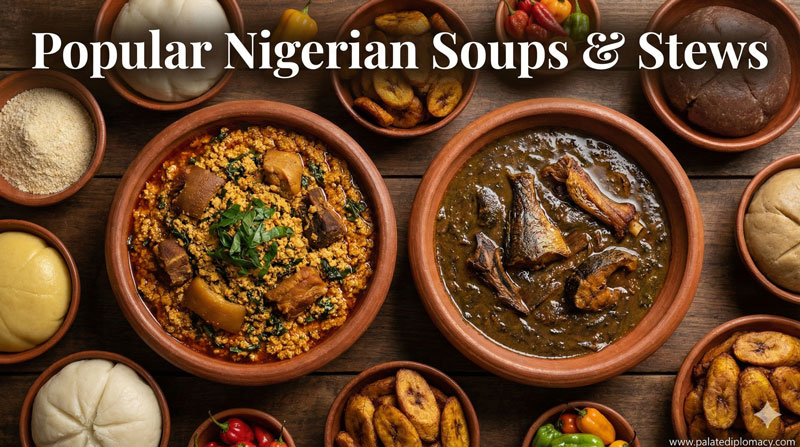
Introduction: A Dish of Rich Palm and Culture
Banga soup is a vibrant, Beloved Dish from the Niger Delta region. It celebrates palm fruit, skill, and family. The soup shines at gatherings, market stalls, and quiet weekend meals. In every pot, you can sense a shared history and daily ritual. This post explores its cultural value and culinary significance, inviting you to savor its beauty and place in food culture.
The Heart of Banga: Palm Fruit and Flavor
The base of Banga soup is palm fruit extract. When heated, the fruit yields a warm, reddish oil with a deep, nutty sweetness. This richness carries a bright, peppery kick from chopped onions and fresh peppers. The result is a soup that feels both hearty and lively. The palm oil and extract give it a glossy, appealing look that signals comfort and abundance.
Classic Ingredients and Variations
A traditional Banga pot shows love through its ingredients. Meat such as beef or goat joins fish or dried seafood. Crayfish adds a subtle briny depth. Aromatics like onions and local peppers bring brightness. Many cooks finish with scent leaves for a fresh, herbal finish. Variation is natural: some households fold in periwinkle or add different spices. Across kitchens, the core remains palm fruit, meat or fish, and a chorus of seasonings that balance sweetness, salt, and heat.
The Art of Preparation
Preparing Banga soup is a careful craft. First, palm fruit is boiled and strained to extract the rich liquid. Next, meat, fish, and aromatics simmer to release flavor. Then the palm extract blends with the stock, and crayfish and peppers join the pot. Finally, the soup rests briefly as scent leaves are added. The result is a fragrant, bright-red soup with a comforting body and a clean finish. The process rewards patience and attentive tasting.
Serving Traditions and Occasions
Banga soup shines in shared moments. It often accompanies starches like fufu, garri, or yam-based swallows, letting the flavor soak in as you scoop. It is a dish for family Sundays, festive meals, and simple celebrations alike. Serving is as important as cooking: bowls are passed around with care, and conversations rise with the steam. The act of eating Banga becomes a gentle ritual that nurtures connection.
Regional Touches and Personal Flair
Communities infuse Banga with their own signature touches. Some add a squeeze of lime for brightness, others favor a stronger pepper note. Regional fish choices, meat cuts, and spice blends shape each version. Yet all versions honor the same idea: palm fruit’s warmth, paired with careful seasoning and a labor of love. The result is a family-friendly dish that travels well from kitchen to table.
The Senses: Aroma, Texture, and Taste
Banga soup greets the senses first with a curving aroma of palm, spice, and heat. The color is a rich, inviting red-gold. The texture balances silky broth with tender meat or fish. Each bite offers a gentle sweetness that fades into a savory depth, then a light, fresh note from scent leaves. The experience invites slow savoring and mindful eating.
Pairings, Etiquette, and Modern Life
In modern kitchens, Banga remains a flexible centerpiece. It pairs beautifully with traditional starches, and it adapts to contemporary tables with ease. As you plate it, consider the aroma and the balance of heat. A respectful, curious approach helps guests appreciate both technique and tradition. The dish invites conversation about craft, family, and regional pride without complexity.
A Dish that Feels Timeless
Everything You Need to know about Banga soup points to its enduring value. It is more than a meal; it is a bridge between hands-on cooking and shared culture. It preserves technique, welcomes new cooks, and honors the table as a place of welcome. This soup celebrates beauty in simplicity, and it reminds us how flavor can carry a community’s spirit from pot to plate.