
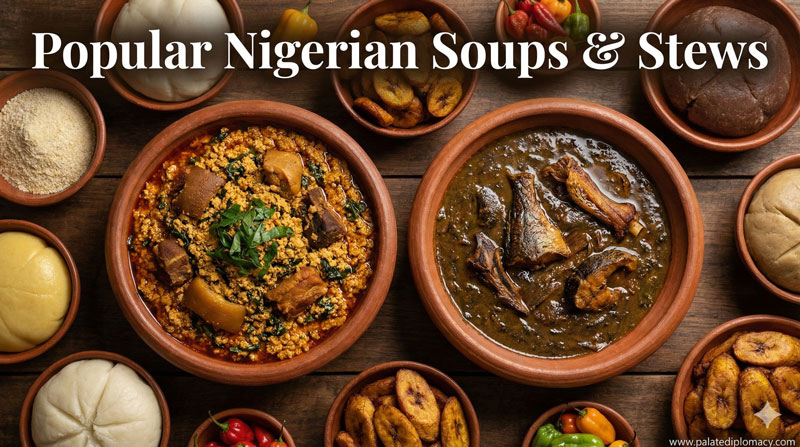
What Makes Okra Soup So Special in Nigeria
Okra soup sits at the heart of Nigerian meals. It greets families with warmth and welcomes friends to the table. This dish carries a rhythm of daily life and celebration. It blends fresh ingredients with steady technique, creating a taste that feels both comforting and distinct. In Nigeria, okra soup is more than food; it is a shared moment, a sign of care, and a celebration of home cooking.
The Flavorful Core of Okra Soup
Okra soup has a bright, green base that invites you in. The star ingredient is okra, sliced or grated to release a gentle mucilaginous texture that thickens the soup. Palm oil provides a rich, amber color and a smooth mouthfeel. Onions add sweetness, while tomatoes or peppers brighten the mix with gentle acidity. For protein, cooks use beef, chicken, fish, or even goat, depending on tradition or preference. Crayfish or stockfish add a hint of sea-salt depth. Salt and pepper carry the final tune. Each bite blends these elements into a coherent, satisfying whole. The result is a lively, comforting stew that shines when served hot.
Preparation Techniques for the Signature Texture
To begin, heat palm oil and sauté onions until they glow with aroma. Then add peppers and tomatoes to build a bright, savory base. Simmer the protein separately to lock in flavor, and add it to the pot. Next, pour in stock or water to create a silky, nourishing broth. Finally, fold in okra toward the end of cooking. This preserves its color and its distinctive texture. Some cooks slice okra thinly for a smoother finish; others grate it for a thicker, more cohesive feel. Either approach yields the characteristic silkiness that many lovers of the dish expect. Throughout, adjust heat and salt, letting flavors mingle slowly. The technique rewards patience with depth and balance.
Cultural Significance and Hospitality
Okra soup is a dish of hospitality. It arrives at the table as a pledge of warmth and care. In many households, preparation is a family affair. Generations share tips, pass down secrets, and contribute final touches. The act of eating it together reinforces community bonds. A well-made pot signals welcome, generosity, and attention to guests. Beyond nourishment, it offers a sense of identity—an edible thread that ties families to their kitchens and to one another. This is why the dish travels well in memory—from early mornings to late evenings, always inviting.
Regional Variations in a Nigerian Kitchen
Across Nigeria, cooks tailor okra soup to local tastes. Some favor a thicker, more robust texture with a stronger palm-oil presence. Others prefer a lighter, brighter version that emphasizes fresh vegetables and gentler seasoning. Protein choices shift with what’s available or preferred, ranging from lean fish to hearty cuts of meat. The use of crayfish or stockfish adds a sea-sweet depth in many homes. Even the way okra is prepared varies—some slice it, others grate it—each method delivering a slightly different feel on the tongue. Yet the core: fresh okra, a fragrant base, and a comforting pot that invites sharing remains constant.
Pairings, Servings, and Everyday Moments
Okra soup shines when paired with a swallow that can carry the sauce. Pounded yam and fufu are classic companions, offering a satisfying bite that swallows the flavors whole. Eba, made from cassava flour, is another popular partner. Some households enjoy it with garri for a lighter, quick option. The dish also welcomes a range of sides—fresh herbs, pepper sauces, or a squeeze of lime may be added at the table for brightness. Each serving respects the balance between the subtle green notes and the richer palm oil base, creating a meal that feels complete and nourishing.
A Dish for Gatherings
This soup is a centerpiece for gatherings big and small. On market days, it travels from pot to pot, feeding neighbors and friends who drop by. In homes, it frames Sunday dinners and celebratory meals, where voices rise in conversation and laughter. The shared bowl becomes a space for storytelling, for celebrating milestones, and for simply enjoying good food. The beauty of okra soup lies in its ability to adapt to any moment while preserving the sense of care at its core.
Conclusion
Okra soup holds a special place in Nigerian Food Culture because it blends ease with elegance. It welcomes cooks of all levels to create something vivid and comforting. It celebrates ingredients that are fresh and local, prepared with patience and love. Most of all, it invites people to come together, to share, and to savor a dish that feels like home. Whether enjoyed in a quiet family meal or a joyful gathering, the dish remains a testament to the beauty of Nigerian cooking and the warmth of its table.