
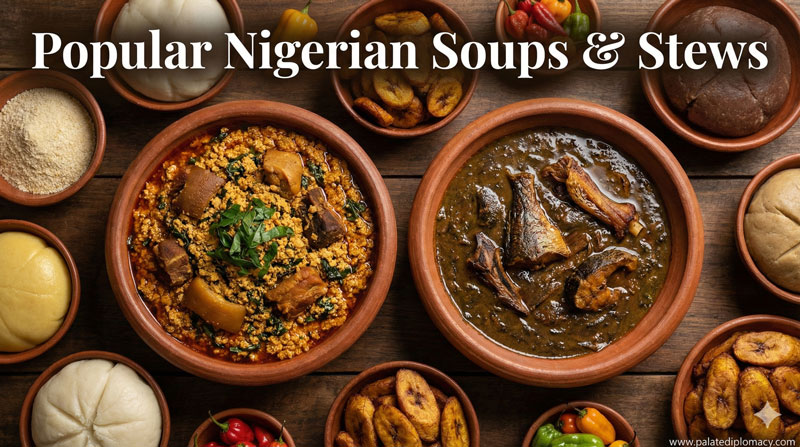
Introduction: How Afang Soup Became Popular in Nigerian Cuisine
Afang soup is a beloved staple in Nigerian cuisine. It invites with its bright greens, earthy aroma, and hearty texture. This post explores how Afang soup gained popularity, its cultural value, and the culinary significance that keeps it central in many kitchens. The Story is about flavor, family, and the joy of shared meals. It is written to be inviting and respectful of the dish’s rich place in Food Culture.
The Greens at the Core: Afang Leaves and Water Leaves
Afang leaves, sometimes called okazi leaves, form the distinctive backbone of the soup. They bring a crisp chew and a fresh, green aroma. Water leaves add a soft, silky body that contrasts nicely with the sturdier Afang leaves. Together, they create a balance of texture that makes the dish comforting and exciting. The greens connect the dish to markets and gardens, where families select the freshest leaves to begin their cooking.
Key Ingredients and the Craft of Balance
Afang soup blends greens with a warm, savory base. Core elements often include:
– Afang leaves and water leaves
– Palm oil for color and depth
– Meat or fish, such as beef, goat, or dry fish
– Crayfish or dried shrimp for a gentle, oceanic note
– Seasonings like stock, salt, and pepper
Optional additions may include periwinkle or mushrooms for additional texture. The magic comes from balancing the leafy freshness with a rich, savory broth. The result is a soup that feels both light and substantial, perfect for a nourishing meal.
Techniques That Elevate the Flavor
The preparation honors craft and attention. Practical steps include:
– Selecting fresh greens and washing them carefully
– Shredding Afang leaves into generous ribbons
– Blending in water leaves to create a tender, silky base
– Blooming palm oil briefly to awaken its aroma before adding it to the pot
– Layering flavors with meat, seafood, and seasonings, then simmering slowly
These steps nurture a depth of flavor while keeping the greens vibrant. The technique celebrates patience and care, two hallmarks of good Nigerian home cooking.
Cultural Value in Family Gatherings and Local Markets
Afang soup often shines during family meals and community gatherings. It is common for several generations to share the cooking space, with elders guiding the technique and younger cooks learning by observation and participation. Markets that supply Afang leaves and water leaves become hubs of conversation, where buyers select the best greens and discuss freshness. In this way, Afang soup connects food, family, and local trade in a simple, joyful loop.
Serving Afang soup also carries a gentle ritual. A shared bowl, ladled into individual portions, invites conversation and togetherness. The dish carries memories of home, school days, and seasonal celebrations. In essence, Afang soup is more than sustenance; it is a bridge between everyday life and cultural joy.
Regional Variations Across Nigerian Kitchens
Across the Nigerian south, cooks adapt Afang soup to local tastes and ingredients. Some kitchens favor a stronger greens-forward profile with a lighter palm oil presence, while others lean into a richer, deeper broth with more crayfish for savor. You may notice differences in how finely the leaves are cut, how long the greens simmer, and which proteins are preferred. These variations demonstrate the dish’s flexibility and its ability to reflect neighborhood flavors while staying true to its core ingredients.
Modern Popularity: From Homes to Restaurants
Today, Afang soup appears in homes and in local eateries with equal warmth. In homes, families tailor the dish to their pantry and preferences, keeping the method approachable for new cooks. In restaurants, chefs highlight the texture of the Afang leaves and the harmony between greens and the savory broth. Presentation can range from a simple, comforting bowl to a more refined plating that showcases the vibrant greens on top. The dish travels well in menus, inviting guests to experience a true Nigerian favorite.
Pairings, Presentation, and Respectful Serving
Afang soup pairs beautifully with staple accompaniments such as fufu, garri, or pounded yam. The starch helps balance the broth’s richness and lets the greens shine. In presentation, a bright garnish of fresh herbs or a drizzle of palm oil can elevate the visual appeal without overpowering the aroma. The serving approach—sharing a warm pot, inviting guests to help themselves—emphasizes hospitality and community, core values in many Nigerian dining spaces.
Preservation and the Gentle Art of Adaptation
To keep Afang soup vibrant year-round, many cooks focus on freshness and sustainable sourcing. Choosing greens at their peak ensures flavor and texture remain bright. If a family must substitute ingredients, they adapt with care—keeping the soup’s balance intact while honoring the original spirit. This adaptability highlights the dish’s enduring relevance and its ability to travel within different kitchens while preserving its essence.
Conclusion: The Ongoing Story of Afang Soup
Afang soup stands as a shining example of Nigerian culinary culture. Its bright greens, hearty base, and flexible yet precise technique create a dish that feels both timeless and welcoming. It celebrates the land’s bounty, the care of cooks, and the joy of sharing good food. As families and restaurants continue to embrace the soup, its story grows richer with each pot prepared. Afang soup remains a cherished part of Nigerian cuisine, inviting everyone to savor its beauty and to participate in its living tradition.