
Top Reasons Nigerians Love Eating Egusi Soup
Egusi soup is a daily delight in many Nigerian homes. It feels warm and welcoming at every table. The nutty seeds give a creamy body, and palm oil adds gentle brightness. Families prepare it for ordinary dinners and for special moments alike. The dish invites conversation, comfort, and smiles.
What Is Egusi Soup?
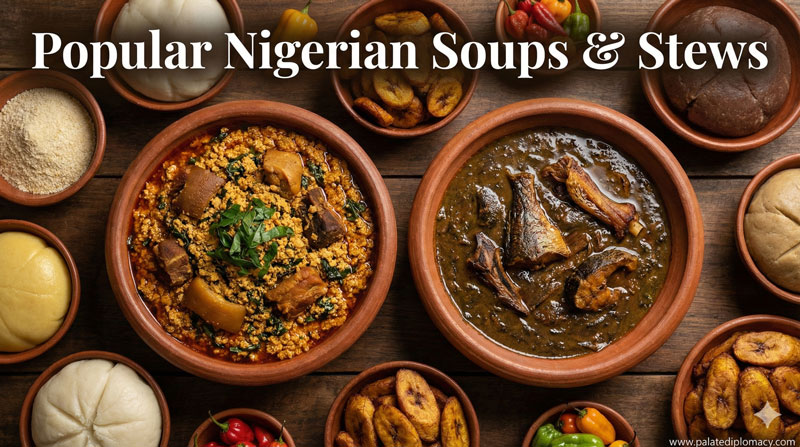
Egusi soup uses ground melon seeds as the star thickener. The seeds are toasted or lightly roasted, ground to a fine meal, and stirred into a simmering broth. The mix blends palm oil, stock, meat or fish, and seasonings. Green leaves such as ugwu or spinach bring freshness and balance. The result is a hearty, glossy soup that coats fufu, pounded yam, or eba beautifully.
Cultural Significance
Across Nigeria, cooking egusi soup signals care and hospitality. A pot on the stove says, “Welcome, please stay and eat.” Hearty servings show respect for guests and family. The dish travels with stories of harvest, siblings, and shared effort. When neighbors drop by, a quick ladle of egusi is a warm greeting. In this way, food becomes a quiet thread that ties people together.
Culinary Techniques and Flavor
To begin, cooks toast or dry-roast the egusi to awaken flavor and add depth. Then they grind it to a fine meal. In a pot, palm oil heats gently and blooms with onion, pepper, and spices. The egusi paste thickens the sauce as it simmers, while meat, fish, or stockfish adds protein. The trick is balancing texture: you want a creamy body and a slightly grainy finish. Each step builds a spoonful that feels both rustic and refined.
Regional Variations and Personal Touches
Different communities bring their own touch. Some prefer light soups with bright greens; others opt for deeper, richer hues from longer cooking. The choice of protein shifts—from goat to fish to beef—depending on tradition and season. Greens vary from ugwu to spinach or bitter leaf. The result is a family of dishes under one beloved name. This diversity highlights the creativity found in Nigerian kitchens.
Serving Traditions and Pairings
Egusi soup is often served with fufu, pounded yam, or garri. Diners scoop the soup and roll it around the starch to form rich bites. The act of sharing a steaming bowl reinforces bonds and daily rhythms. In many homes, a pot of egusi sits at the center of the table during meals. The aroma invites conversation and gratitude, making mealtime feel Like a small celebration.
Healthful Qualities and Nutrition
Ground egusi seeds offer plant-based protein and healthy fats. The leafy greens add fiber and vitamins. When prepared with fresh ingredients and balanced spices, the dish feels nourishing and satisfying. This blend supports energy for work, family activities, and celebrations. It treats the palate while supporting well-being.
A Doorway to Shared Memory and Joy
Egusi soup holds a place in memory and routine. The pot becomes a bridge from kitchen to table, linking generations through taste. People reminisce about gatherings, market visits, and the skill of a caregiver who stirs the pot with care. Each bite carries warmth, hospitality, and pride in Nigerian cooking. It is a flavorful thread through daily life.
Conclusion: A Flavorful Heritage
Egusi soup shows how flavor and culture travel together. It invites curiosity, appreciation, and respect for skilled home cooking. When you try it, you taste more than ingredients; you taste a heritage built by cooks across communities. This dish remains A Beloved centerpiece that welcomes everyone to the table.