
Everything You Need to Know About Banga Soup
Banga soup welcomes you to a vibrant kitchen tradition. It blends palm fruit oil with Meat or seafood, spices, and bright heat. The result is a rich, amber broth with a comforting aroma. This post focuses on its cultural value and culinary significance. It invites you to feel the care, skill, and hospitality behind every bowl.
A Dish with Deep Roots in the Niger Delta
Banga soup shines in the Niger Delta region. It is a dish of welcome, gathering, and celebration. Families prepare it for markets, festivals, and everyday meals alike. The cooking style reflects local harvests and the rhythms of daily life. In every bowl, you taste land, water, and community intertwined through time.
The Signature Flavor and Texture
The base is palm fruit oil, which gives a velvet, deep broth. The soup carries heat from peppers and warmth from onions and spices. Fish, shrimp, or meat add texture and protein. The result remains glossy, not too thick, with a bright, clean finish that lingers on the palate.
Ingredients and Craft
Key ingredients include palm fruit oil, meat or fish, onions, peppers, and spices. The oil is simmered to release color and aroma. The pulp and stock form The Heart of the soup. Cooks adjust heat, salt, and richness to taste. Small choices reveal local character and skill.
Cultural Moments and Gatherings
Hospitality flows through every bowl. A pot of banga soup welcomes guests and marks joyful days. It appears at family meals, naming ceremonies, and shared feasts. Preparing and serving the soup becomes a social act that strengthens bonds. Conversation, laughter, and reflection often bloom as the bowls pass around.
Serving Traditions and Pairings
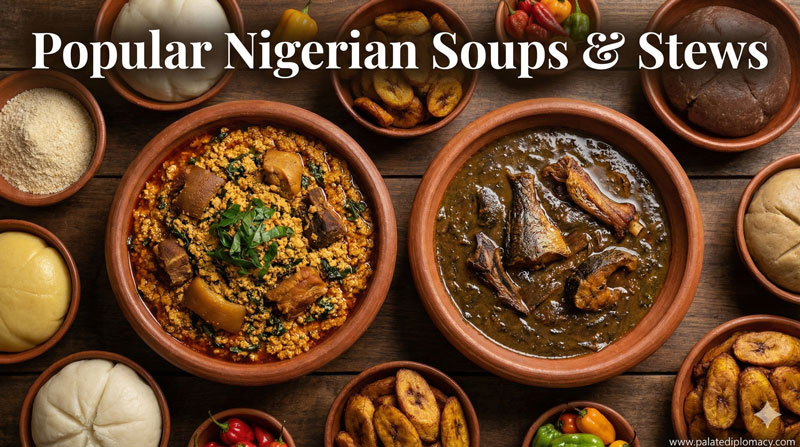
Banga soup pairs with starchy sides. Common choices include fufu, garri, or cassava-based starch. The contrast between smooth soup and hearty starch balances the meal. A squeeze of lime or fresh herbs can brighten the flavors. Each pairing highlights the soup’s richness and the dignity of the table.
Regional Variations
Communities add their own touches to the dish. Some prefer extra pepper for heat; others add dried fish or crayfish for depth. The result is a tapestry of regional character, yet the core essence remains the same. These variations honor local farms, fishing practices, and family recipes.
Preserving Taste and Tradition
Cooks pass the recipe from one generation to the next. The dish travels from kitchen to table through family gatherings and community events. It stays alive by kindness, sharing, and careful technique. Respect for the ingredients and methods keeps Banga soup vibrant for years to come.
The Quiet Beauty of Banga Soup
Banga soup is more than food. It is a thread that weaves together people, places, and memories. Its beauty lies in how a single pot can tell a story of culture, skill, and hospitality. By savoring the bowl, you join a living tradition that honors neighbors and kin.