
Why Egusi Soup Is One of Nigeria’s Most Loved Dishes
Egusi soup holds a cherished place in Nigerian kitchens. It blends comfort, craft, and community into a single pot. The dish centers on ground melon seeds, which create a creamy, nutty base. From there, cooks add palm oil, meat or fish, and leafy greens. The result is inviting, hearty, and deeply satisfying. This post celebrates its cultural value and culinary significance, inviting you to savor How It connects people to place and tradition.
The Core Ingredients and Their Significance
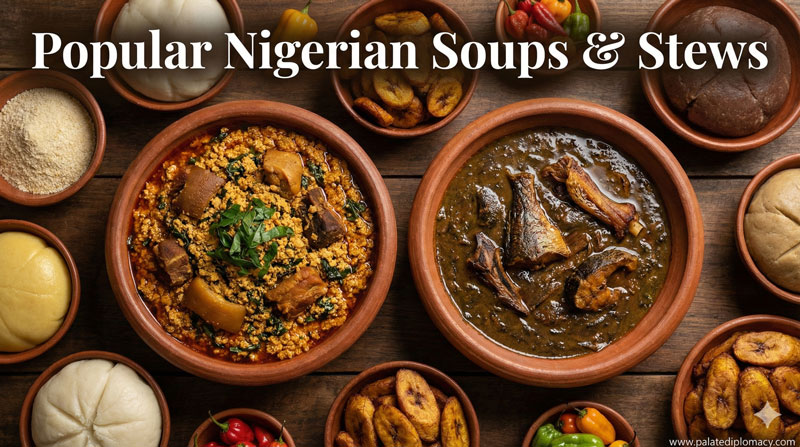
Egusi seeds form the heart of the dish. Ground into a paste, they give body and a distinct texture. Palm oil adds a glossy richness and a warm color that signals abundance. Proteins such as beef, goat, or fish join the pot, offering flavor depth and a sense of nourishment shared with loved ones. Crayfish and onions give aroma and brightness, while peppers bring gentle heat. Greens like okra, spinach, or bitter leaf finish the pot, adding freshness and balance. Each ingredient carries a story of harvest, season, and kitchen skill, and together they speak of hospitality and care.
The Art of Preparation
Cooks begin by building a flavorful base. Fresh onions sautéed in palm oil awaken the pot, followed by peppers for brightness. The ground egusi paste is stirred in slowly, allowing it to emulsify with the oil and simmer into a creamy consistency. Meat or fish are added next, developing a rich stock as flavors mingle. Greens join toward the end to retain color and vitality. The final touch is a gentle stir, ensuring the egusi thickens without forming lumps. The result is a velvety soup with a bright edge from the greens and a comforting depth from the palm oil and meats. This process highlights patience, attention, and the craft of traditional cooking.
The Social and Cultural Significance
Egusi soup is more than a meal; it is a gathering. It appears at family dinners, celebrations, and everyday feasts alike. Sharing from a single pot or a spread of bowls reinforces a sense of belonging. The aroma travels through the home, inviting conversation and warmth. Children learn by watching elders prepare the pot, absorbing techniques and the rhythm of kitchen life. The dish embodies generosity, hospitality, and the joy of nourishing others. Its presence in the dining routine signals care and pride in culinary heritage.
Regional Flavors and Personal Touches
In Nigeria, egusi soup adapts to local tastes. Some cooks emphasize a silkier texture by adjusting the egusi paste, while others favor a heartier, chunkier version. The choice of greens also changes with season and preference, giving each family a signature style. Side dishes and accompaniments vary as well; pounded yam, fufu, or amala are common partners that lift the meal. This versatility preserves tradition while inviting personal expression, making the dish feel both timeless and alive.
Serving Traditions and Festive Moments
Egusi soup shines in both everyday meals and special occasions. It is a dish that welcomes guests with a warm bowl and a shared sense of welcome. In many homes, serving egusi with a mound of pounded yam becomes a small ceremony—each bite connecting generations and memories. The serving style emphasizes generosity and togetherness, turning cooking into a beautiful ritual rather than a routine task.
A Taste of Nigerian Culinary Identity
Egusi soup embodies the beauty of Nigerian Food Culture. It reflects balance—between richness and lightness, between speed and patience, between family tradition and personal touch. Its flavors invite conversation and curiosity, while its method teaches care and skill. This dish stands as a testament to how food can express identity, memory, and a deep respect for the cooks who bring it to life.
Final Thoughts
Why is Egusi soup so loved? Because it harmonizes flavor, texture, and heart. It is a dish that nourishes the body and strengthens social bonds. It honors ingredients, celebrates craft, and invites everyone to share in a meal that feels both familiar and inspiring. In every pot, there is a story of home, hospitality, and the enduring beauty of Nigerian food culture.