
Introduction
How Afang Soup Became Popular in Nigerian Cuisine is a story about aroma, color, and convivial meals. This dish, built from fresh greens and a rich broth, shines in many Nigerian kitchens. It invites friends and family to the same table and speaks softly of heritage, hospitality, and shared appetite. In this post, we celebrate its cultural value and culinary significance. We will visit the ingredients, the craft, and the everyday moments that keep Afang soup loved and alive.
Roots in Nigerian Kitchens
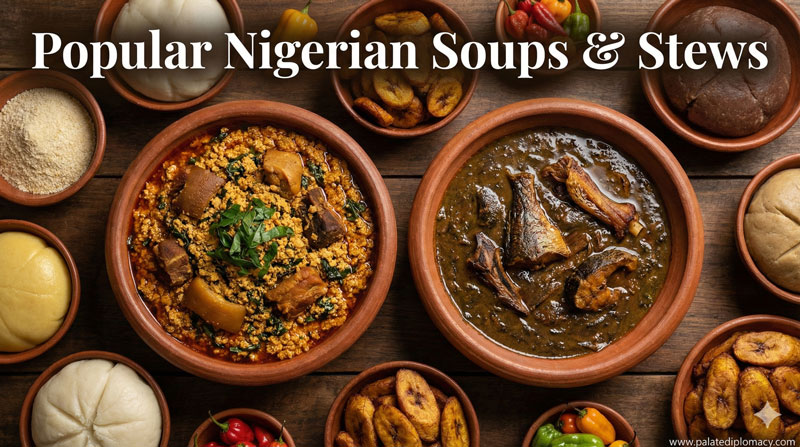
Afang soup grows from the heart of the Niger Delta’s cooking traditions. In communities where Afang leaves, also known as okazi, thrive, families have long prepared meals that bring people together. The dish is a bridge between garden harvest and dining table, linking ingredients grown close to home with flavors that comfort and excite. Its popularity comes not from mass marketing alone but from the way it travels from grandmother’s pot to neighborhood gatherings, from market stalls to festive celebrations. The Story of Afang is a story of welcome and steady generosity.
Key Ingredients and Their Roles
Afang leaves (okazi) are the star. They give depth, aroma, and a lush texture to the soup. Water leaves provide a silky, slightly mucilaginous body that balances the greens. Palm oil adds a warm, reddish hue and a comforting scent. The dish also relies on proteins such as beef, fish, or stockfish, which enrich the broth with umami. Crayfish or ground traditional seasonings contribute a gentle ocean-smoked note. Together, these elements create a savory, layered soup that feels nourishing and complete.
The Craft: Techniques and Texture
Preparing Afang soup is a rhythmic, respectful process. Wash and prep the Afang leaves, then tear or chop them into manageable strands. The leaves are often added in stages to preserve their bright color and tender bite. Blending or finely shredding some of the greens can help release their perfume. Simmer the stock with palm oil, meat, and dried fish until it smells inviting. Add water leaves for a touch of silkiness, then fold in the Afang leaves just before serving. The result is a thick, glossy soup with a lively balance of leafy freshness and hearty richness.
Cultural Significance and Shared Tables
Afang soup is more than a dish; it is a token of care and hospitality. In many homes, preparing this soup signals a warm welcome to guests and a generous spirit. It is common to share a single pot among family members, friends, and neighbors during gatherings. The act of serving Afang embodies reciprocity and togetherness, reinforcing social bonds and creating memories around the meal. The dish also appears at celebrations and special occasions, where its presence on the table signals abundance and gratitude.
Regional Variations and Modern Popularity
Across Nigeria, cooks adapt Afang soup to local tastes. Some households emphasize more Afang leaves for a greener, lighter finish; others lean on water leaves for extra body. Restaurants may offer refined textures or additional spices, while home cooks keep the process intimate and familiar. Regardless of variation, Afang soup remains A Beloved bridge between gardens and tables, and it travels easily from rural kitchens to modern eateries. It is commonly enjoyed with fufu, garri, or pounded yam, highlighting the dish’s versatility and enduring appeal.
Serving and Pairing
Serve Afang soup hot, with a side of starch or fufu that helps scoop and savor. Pair it with palm wine or a light beverage to lift the fresh greens. Garnish options can include fresh herbs or sliced peppers for a bright finish. The beauty lies in balance: the leafy greens, the savory broth, and the comforting starch come together in a harmonious bite. Each serving invites conversation, gratitude, and enjoyment.
Conclusion
The popularity of Afang soup in Nigerian cuisine reflects more than flavor. It embodies hospitality, regional pride, and a shared love of good food. Its careful preparation, vibrant ingredients, and generous spirit invite people to pause, savor, and connect. By honoring its cultural value and culinary significance, we celebrate a dish that continues to thrive in kitchens and on tables across the country.