
Why Egusi Soup Is One of Nigeria’s Most Loved Dishes
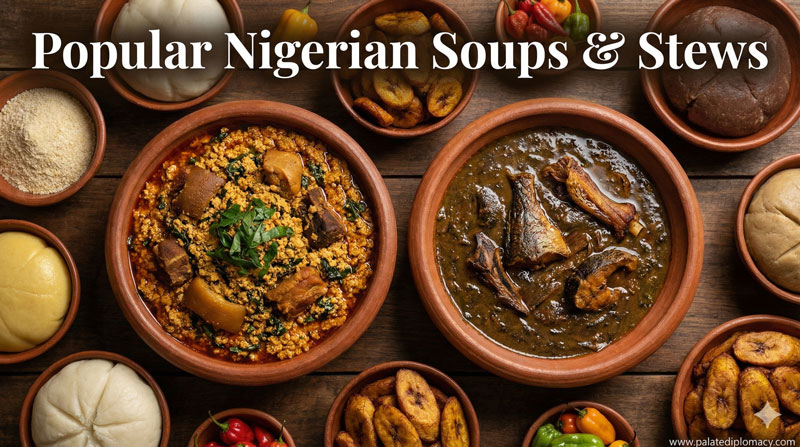
Egusi soup holds a proud place in Nigerian kitchens. It is a dish of warmth, generosity, and clear, bright flavors. Ground melon seeds, called egusi, create a nutty, creamy base that invites long conversations around the table. The dish blends palm oil, spices, meats or fish, and leafy greens into a single pot of comfort. When served with fufu, pounded yam, or eba, it becomes more than a meal; it becomes a moment of togetherness. In Nigeria, egusi soup is celebrated for its versatility, its scent, and the way it nourishes both body and spirit. The recipe travels from home to home, adapting with local ingredients while keeping its soul intact.
A Dish Rooted in Everyday Life
Egusi soup appears in homes across many communities, from bustling markets to quiet family kitches. It is made for everyday lunches and for special family gatherings alike. The dish adapts to what is on hand, turning simple ingredients into something special. A pot of egusi can be prepared with a mix of meats, or with fish and seafood for a lighter touch. It can be as hearty or as delicate as the cook desires. This adaptability makes egusi soup accessible to families with varying tastes and budgets, reinforcing its place as a staple of Nigerian food culture.
The Heart of the Market: Fresh Ingredients
The flavor of egusi soup comes alive with careful selection of ingredients. Ground egusi seeds give the dish a silky body and a distinctive nutty aroma. Palm oil adds a warm, golden sheen and a gentle sweetness. Proteins such as beef, goat, chicken, or fish bring depth and texture. Crayfish and stockfish contribute a savory depth that echoes the sea and the land. Leafy greens, including spinach, ugu (pumpkin leaves), or other local greens, brighten the pot with color and freshness. Finally, peppers and onions tie the pot together with bright heat and aroma. In markets and kitchens, the choice of ingredients tells a story of place, season, and family preference.
A Symphony of Textures and Flavors
Egusi soup delights the senses with a balance of textures. The egusi seeds melt into a creamy, slightly gritty mass that coats each bite. Palm oil adds a velvety gloss and a rich backbone. Tender chunks of meat or fish contrast with soft greens, creating a satisfying mouthfeel. Subtle heat from peppers and a hint of salt bring out the nutty sweetness of the seeds. The result is a layered dish where each spoonful offers comfort, brightness, and a sense of nourishment. This harmony is part of what makes egusi soup a beloved centerpiece in Nigerian dining.
Techniques That Elevate Tradition
Crafting a great egusi soup blends technique with intuition. Cooks often grind and sift the egusi to achieve the preferred texture, then mix it with a little water to form a paste. This paste is added to simmering broth to create body without heaviness. Palm oil is added thoughtfully, allowing its color and aroma to bloom without overpowering the flavors. Meats or fish are seared to develop flavor, then simmered slowly to tenderness. Crayfish and stockfish are stirred in for depth, while greens are added toward the end to preserve their bright color and fresh bite. The sequence—protein first, then egusi, then greens—helps the dish hold its structure and balance.
Pairings and Serving Traditions
Egusi soup shines when paired with the right starchy accompaniment. Pounded yam, garri, or fufu provide the perfect vehicle to scoop and dip, letting diners experience the creamy egusi with each bite. In many households, the serving order reflects care and hospitality: elders may receive portions first, and everyone shares from the same pot. The atmosphere around the table adds flavor; conversations flow as easily as the steam rising from the pot. This sense of ritual and warmth reinforces egusi soup as a symbol of welcome and generosity in Nigerian food culture.
A Living Tradition: Variations Across Regions
Across Nigeria, families tailor egusi soup to their regional tastes. Some cooks blend leafy greens differently or add a touch of uziza or scent leaves for fragrance. Others swap proteins or adjust the amount of palm oil to achieve a lighter or richer profile. These variations honor local harvests, family legacies, and preferred textures. Yet all versions share a common thread: egusi soup remains a unifying dish that celebrates skill, patience, and care in the kitchen. The result is a family-friendly dish that feels both timeless and personal.
Why It Endures: Cultural Value and Culinary Significance
Egusi soup endures because it embodies hospitality, craft, and connection. It invites people to gather, share, and enjoy a meal that is both nourishing and uplifting. The dish honors traditional techniques while welcoming individual touch, so each family can imprint its own story on the recipe. The act of cooking egusi soup teaches patience, balance, and generosity. In every pot, there is a memory of recipes passed down, a sense of place, and a bridge between generations. This combination of skills, memory, and social joy explains why egusi soup remains One of Nigeria’s most loved dishes.
If you are exploring Nigerian cuisine, egusi soup offers a warm, inviting doorway. It showcases how simple ingredients can become a celebration of culture, family, and shared food. The dish invites curiosity, respect for craft, and appreciation for the beauty of communal dining. In every spoonful, you taste a tradition that honors the land, the hands that cook, and the people who gather at the table.