
The Story Behind Ogbono Soup, a Nigerian Food Favorite
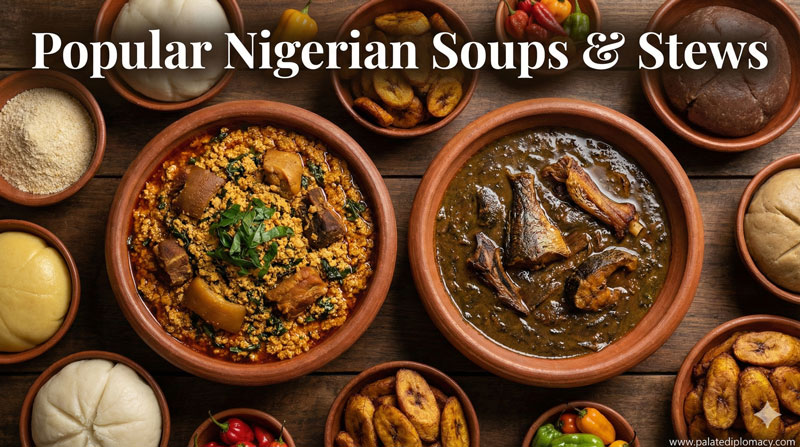
Ogbono soup has a warm place in many Nigerian homes. The dish centers on ogbono seeds, the kernels of the wild mango. When ground, they release a creamy paste that thickens the soup. The aroma is nutty and inviting, signaling a meal shared with others. Across kitchens, families pass down methods with loving care. This story celebrates hospitality, craft, and the joy of a slow simmer.
Core Elements: Seeds, Palm Oil, and Proteins
The heart is ogbono paste, made from dried seeds ground into a fine meal. Palm oil adds color, fragrance, and a silky feel. Proteins like beef, goat, fish, or chicken enrich the pot. Stock, onions, peppers, and dried shrimp or crayfish deepen the flavor. Optional ingredients such as okra or leafy greens add texture. A pinch of salt and a few spices tie the flavors together.
From Seed to Spoon: The Craft
Cooks start by preparing the seeds, grinding them into a smooth paste. They heat palm oil and stir in the paste so it blooms. Next, stock and proteins are added, followed by seasonings. The mixture simmers slowly, with steady stirring to Avoid lumps. The result is a velvety soup that clings to a spoon and lingers on the palate.
The Social Heart: Hospitality and Meals
Ogbono is more than a dish; it is a gesture of welcome. Hosts fill bowls and invite guests to share in the meal. The soup is often paired with fufu, pounded yam, or tuwo. Lively conversation rises as the steam fills the room. Serving with warmth reinforces community bonds.
Serving Traditions: Pairings and Etiquette
A starchy accompaniment helps scoop and balance flavors. Fufu or pounded yam are common choices, with rice offered for variety. A side of pepper sauce or greens adds brightness. Diners scoop gently, pass the bowls with care, and show appreciation to the cook. The ritual reflects respect and generosity.
Regional Variations and Modern Twists
Different regions bring their own touches. Some cooks use more palm oil for a brighter color. Others mix in groundnuts or sesame for extra richness. The choice of protein mirrors family preference and market availability. Yet the core thick, nutty paste remains the soul of Ogbono.
A Tasting Experience: Aroma, Texture, and Flavor
As the pot opens, fragrant steam invites the senses. The paste creates a creamy, slightly slippery mouthfeel. The pepper gives a gentle heat, balancing richness. Every bite carries memory, skill, and place. This is a dish that rewards patience and care.
Final Thoughts: A Dish That Connects People
Ogbono stands as a living tradition. It travels from the kitchen to the table with warmth. It shows how food can carry culture, craft, and comfort. By appreciating Ogbono, readers glimpse a vibrant part of Nigerian Food Culture.