
Introduction
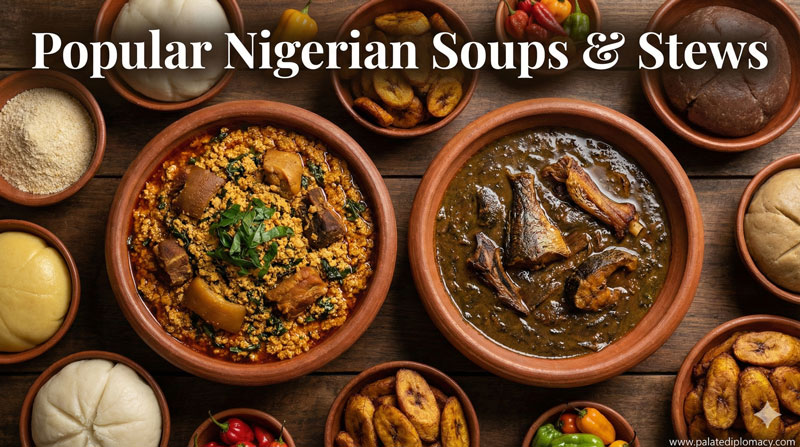
Afang soup stands as a radiant thread in Nigerian cuisine, weaving together flavor, texture, and culture. It is more than a dish; it is a story told through leaves, oil, and shared bowls. This post explores how Afang became beloved across communities, highlighting its cultural value and culinary significance. The journey celebrates appreciation for craft, family, and the joy of gathering around a pot of soup.
Core ingredients and their cultural resonance
At The Heart of Afang soup are two celebrated greens: Afang leaves (often called okazi) and water leaves. Together with palm oil, they craft a lush, deep-green broth. Complementing the greens are protein-rich additions such as assorted meats, stockfish, and crayfish. Each element carries meaning. The Afang leaves reflect local ripeness and the foraging knowledge passed down in households. Water leaves bring a bright balance and a subtle, refreshing contrast to the earthiness of palm oil. The team of ingredients mirrors a respect for seasonality, resourcefulness, and shared labor in the kitchen.
In many households, these ingredients are sourced from nearby markets, where vendors and cooks exchange tips about freshness and aroma. The act of selecting leaves, weighing meat, and choosing fish becomes a quiet ritual. This ritual binds families and neighbors, turning a simple grocery trip into a small celebration of what the land offers. The resulting soup embodies a harmony between land and community, a harmony that makes Afang both comforting and culturally meaningful.
Cultural value: sharing, memory, and everyday ceremony
Afang soup holds a central place in family meals and communal gatherings. It appears at weekend cookouts, festive occasions, and quiet evenings when loved ones come together at the table. Sharing a pot of Afang creates a sense of belonging, a moment when conversations flow as freely as the broth. The community aspect is reinforced by the way cooks invite guests to sample, taste, and adjust flavors together. This generous practice embodies hospitality, patience, and attention to others.
The dish also supports memory and continuity. Recipes are passed from one generation to the next, with elders teaching younger cooks How to balance greens, oil, and seasoning. In this way, Afang soup becomes a living archive of taste and technique. The practice of gathering, tasting, and refining connects past and present, reinforcing pride in local culinary heritage without ceremony or ceremony—just the joy of good cooking and good company.
Afang’s appeal travels beyond the kitchen because it is adaptable. Families tailor the dish to their preferences, adding beloved proteins or adjusting the greens to suit taste. This flexibility encourages creativity while preserving core values: generosity, good flavor, and respect for traditional ingredients. The result is a dish that feels both timeless and relevant, a bridge between everyday meals and special occasions.
Culinary significance: texture, technique, and balance
Culinary significance rests on texture and balance. The interplay between Afang leaves and water leaves delivers a layered mouthfeel: leafy depth with a bright, slightly slippery counterpoint. Palm oil adds a velvet richness and a warm, golden hue that makes the soup inviting to the eye as well as the palate. The use of fish and crayfish introduces a savory umami that deepens the broth without overpowering the greens. This careful balance is not accidental; it reflects generations of cooks who refined the sense of proportion and technique.
The technique behind Afang emphasizes restraint and respect for ingredients. Cooks shred or tear the Afang leaves so their fine fibers release flavor without becoming mush. Water leaves are added to yield a light, silky body that contrasts with the denser greens. The proteins are prepared to maintain tenderness and impart full flavor while contributing to the broth’s texture. In many kitchens, the broth is seasoned in stages, tasting and adjusting as it thickens, allowing each component to shine.
Afang also demonstrates the value of patience and timing in Nigerian cooking. The greens soften to the perfect bite, and the sauce thickens just enough to coat each strand. This moment—watching flavors meld and textures harmonize—embodies culinary artistry. The result is a soup that feels both homey and refined, a testament to the care woven into everyday cooking.
Afang in modern Nigerian cuisine: from markets to menus
In contemporary Nigerian dining, Afang soup has found a wider audience while preserving its roots. In bustling markets and cozy family kitchens alike, cooks celebrate Afang’s versatility. Restaurants across major cities feature Afang as a signature dish, often pairing it with fufu or pounded yam to honor traditional dining customs. Chefs experiment with accompaniments and protein combinations, offering variations that still respect the essential greens and oil that define the dish.
The modern presentation of Afang emphasizes color, aroma, and accessibility. Fresh greens, bright oil, and a steaming bowl invite conversation and appreciation. The dish serves as a culinary ambassador, introducing curious diners to the depth and warmth of Nigerian flavors. Yet even as it travels into new spaces, Afang remains rooted in communal dining. The act of sharing a pot, praising a cook’s balance of greens and seasoning, sustains its cultural value across generations and neighborhoods.
Savoring Afang: approach and appreciation
To savor Afang is to engage all senses. Observe the sheen of palm oil and the vibrant greens. Listen for the gentle simmer of the broth as it thickens. Breathe in a aroma that blends earthiness with a subtle ocean-like seafood note. Taste offers a layered experience: the greens provide body and a slight bitterness, the oil yields richness, and the seasonings carry a gentle saltiness that ties everything together. The dish invites mindful eating—slow tasting, appreciation of texture, and gratitude for shared labor.
Because Afang is about more than flavor, its social dimension matters. When friends gather to enjoy Afang, they exchange stories, celebrate small victories, and reinforce bonds. This social fabric—woven by everyday meals and festive occasions—gives the dish its enduring presence in Nigerian cuisine. It’s a reminder that food can be a joyful anchor for community, memory, and belonging.
Conclusion: Afang as a living celebration of Nigerian food culture
Afang soup embodies cultural value and culinary significance in a way that many dishes aspire to. It honors local ingredients, praises communal dining, and showcases the artistry of seasoning and texture. From market stalls to family kitchens to modern restaurants, Afang continues to inspire and delight. It is a beautiful example of how Nigerian cuisine can be both rooted in tradition and alive with contemporary expression. In every pot, Afang tells a story of care, collaboration, and the shared joy of good food.