
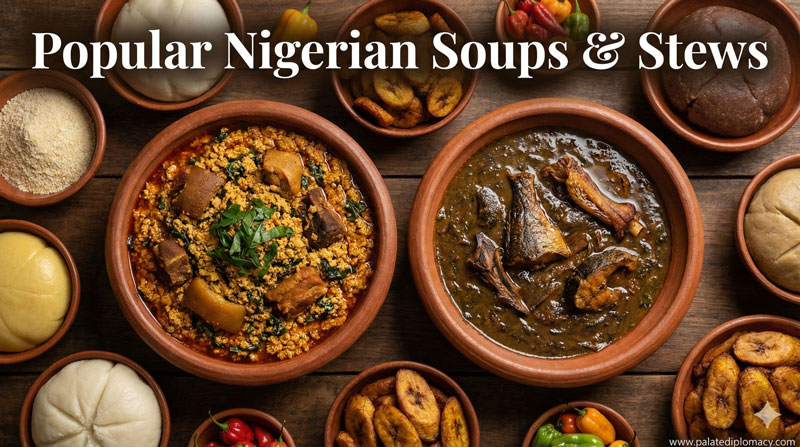
Everything You Need to Know About Banga Soup
Banga soup is a fragrant, hearty dish rooted in the Niger Delta. It centers on palm fruit extract, or banga, simmered with peppers, onions, and a choice of meat or seafood. This soup is a bridge between tradition and everyday meals. It invites family, friends, and neighbors to share. The result is a warm bowl that carries memory, craft, and care.
What is Banga Soup?
Banga soup is a rich, oil-rich broth made from palm fruit. It shines with a deep orange-red color and a nutty, bright aroma. Common accompaniments include meat, fish, crayfish, and spices that bring a gentle heat. The dish is often paired with starches such as fufu, pounded yam, or garri. In Efik and Ibibio cooking, the dish is known for its bold, Clean Flavors that sit well on a respectful table. It is treasured for its balance of earthiness, sweetness, and a lively finish from peppers.
Cultural Value: Hospitality and Shared Meals
The dish sits at The Heart of communal life. Preparing banga soup is often a shared activity. Families gather around the stove, pass around ingredients, and celebrate together. Serving bowls are passed in a warm circle, each person savoring the scent and color. The aroma signals welcome and generosity. A pot of banga invites conversation, smiles, and reflection on the day’s work. In many homes, a serving of banga soup marks a thoughtful gesture to guests, friends, and relatives. This is more than sustenance; it is a ceremony of care.
The Kitchen Craft: Techniques and Ingredients
The craft begins with palm fruit, which is cooked and mashed to release a fragrant oil. The resulting extract forms the base of the soup. Fresh onions and hot peppers add brightness and heat. Crayfish or dried fish deepen the savory profile. A choice of meat, whether goat, beef, or fish, adds texture and richness. Spices and seasonings are used with restraint, so the natural palm flavor can shine. The simmering process blends sweet and spicy notes, producing a smooth yet vibrant broth. The final touch often includes a splash of palm oil, which enhances the color and body of the soup.
Serving Traditions: Pairings and Etiquette
Banga soup shines when paired with a starchy accompaniment. Pounded yam and fufu are classic partners that mop up the flavorful broth. Some enjoy it with garri for a lighter bite. The key is to dip and savor in small, respectful bites, letting the flavors unfold on the palate. A light, crisp drink or cool water often accompanies the meal, cleansing the palate between bites. The act of serving—sharing bowls, offering seconds, and thanking the cook—adds warmth to the dining experience.
Regional Variations and Seasons
Across the Niger Delta, home cooks adapt banga soup to local tastes. Some communities favor a bolder pepper profile, while others emphasize a deeper palm-fruit oil presence. Crayfish intensity, meat choices, and optional seeds like ehuru may appear in different combinations. These variations honor regional preferences and seasonal ingredients, enriching the dish without losing its core identity. The result is a family of recipes that feel connected yet diverse, all centered on the same heart—palm fruit goodness.
A Simple Home Preparation Guide
- Gather palm fruit extract, onions, peppers, crayfish, meat or fish, and salt.
- Start with a gentle simmer to bloom the flavors.
- Add protein and simmer until tender.
- Stir in the palm oil for body and color.
- Adjust seasoning to taste and serve with your chosen starch.
- Share and enjoy the warmth of a well-made bowl.
Final Thoughts
Banga soup stands out for its beauty, balance, and sense of place. It celebrates palm fruit as a foundational ingredient and elevates it with careful technique and mindful preparation. The soup invites people to gather, share stories, and honor food as a daily, living tradition. If you are new to banga, open a pot with curiosity and let the aroma guide you toward a respectful, joyful meal.