
Why Egusi Soup Is One of Nigeria’s Most Loved Dishes
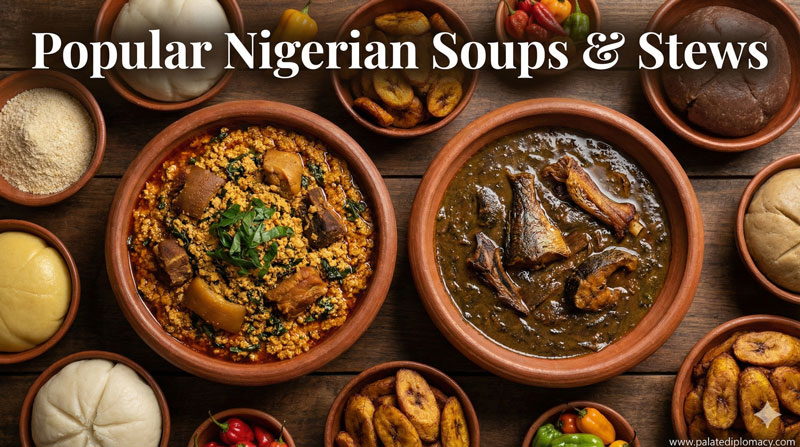
Egusi soup holds a special place in Nigerian kitchens. Its rich color, creamy texture, and inviting aroma make it a dish many families reach for with warmth and anticipation. The soup is celebrated for its balance of heartiness and vibrant flavor, a combination that feels both comforting and festive. People savor the way the egusi seeds create body in the sauce while palm oil adds fragrance and depth. In homes and small eateries alike, Egusi soup signals hospitality, care, and a shared moment around the table.
The Core of Egusi: Key Ingredients and Their Roles
At the heart of Egusi soup are ground egusi seeds. When blended into a paste and simmered, the seeds shed their starch to thicken the sauce into a luscious, silky base. Palm oil contributes a bronzed hue and a warm, fruity note. Meat, fish, or a mix of both add protein, while stock or water provides the liquid frame that carries all flavors. Greens such as spinach, waterleaf, or bitterleaf bring freshness and color, balancing the richness with a bright counterpoint. Together, these parts create a texture that feels indulgent yet wholesome.
The method is straightforward but precise. The egusi paste is gently incorporated into simmering stock or water. It is allowed to bloom in the oil, releasing aroma and depth. Then meat and fish are added, followed by the greens. A touch of salt, pepper, and onions completes the profile. The result is a sauce that clings warmly to a starchy side, inviting you to savor every bite.
A Cultural Practice: Food as Hospitality and Memory
Egusi soup is more than a recipe; it is a practice tied to hospitality and daily life. When a pot arrives at the table, it signals welcome and consideration for guests and family members. The act of sharing a pot of Egusi soup creates a social rhythm—conversations begin, stories are exchanged, and everyone contributes to the meal’s success. Even the choice of side, whether pounded yam, fufu, or garri, becomes part of the meal’s harmony. The dish supports moments of reunion, quiet evenings at home, and gatherings that celebrate togetherness.
In many households, younger cooks learn the craft by watching and then helping in small steps. They learn the balance of heat, the timing to add greens, and How to adjust the thickness of the sauce. This passing of know-how reinforces family bonds and keeps a tradition alive. The result is a dish that feels both familiar and inviting, a culinary thread that links generations.
Regional Takes: Shared Fundamentals, Varied Flavors
Across Nigeria, Egusi soup carries common essence, yet regional touches create delightful variety. In some areas, spinach is the preferred green for its smooth texture and mild sweetness. In others, bitterleaf or waterleaf adds a vibrant bite and a slight tang. The choice of protein shifts as well: beef, chicken, fish, or stockfish all find a home in the pot, depending on preference and availability. Some cooks toast the egusi seeds lightly before grinding to intensify aroma; others blend them with a smoother texture. These nuances celebrate local pantry staples while preserving the dish’s core character: a creamy, savory soup that stars egusi seeds and palm oil.
Techniques That Elevate the Dish
To achieve the iconic consistency, many cooks pay careful attention to how the egusi paste is introduced. A gentle simmer helps the paste thicken without breaking, creating a velvety sauce that coats the accompanying starch. The timing of greens matters, too; add them so they retain a touch of brightness and a slight bite. Seasoning is thoughtful rather than heavy, allowing the natural flavors to resonate. When done well, the soup has a glossy finish, a soft sheen from the oil, and a balanced aroma that invites another spoonful.
Attention to texture elevates Egusi soup. The creamy base contrasts with tender meat, crisp greens, and the gentle chew of the swallow. This harmony makes the dish satisfying in every bite and versatile enough to suit different occasions.
Serving Traditions and Pairings
Egusi soup shines when paired with swallow foods. Pounded yam and fufu are the classic partners, offering a satisfying, doughy balance to the smooth sauce. Some households enjoy it with amala or garri as well, depending on personal preference. The combination—rich soup meeting a hearty swallow—creates a comforting mouthfeel that many find deeply satisfying.
Ladling the soup onto a communal plate or serving it in individual bowls reinforces the social aspect of meals. The act of sharing, dipping, and eating together transforms a simple dish into a shared experience. The result is a meal that feels Like a celebration of everyday life and special moments alike.
Everyday Meals and Celebrations: The Dish We Return To
Egusi soup demonstrates how a single dish can be both everyday nourishment and a centerpiece for special occasions. In daily meals, it offers warmth, sustenance, and familiarity. On weekends and during family gatherings, its presence signals hospitality and care. The dish travels easily between casual lunches and more formal feasts, always carrying a sense of welcome and generosity. This flexibility contributes to its enduring popularity and its status as a beloved staple in many kitchens.
A Look at Home Kitchens: Craft, Care, and Consistency
The beauty of Egusi soup emerges in home kitchens through steady practice. Cooks learn to balance flavors, textures, and timing in a way that keeps the dish soulful and dependable. Small adjustments—how long the egusi paste simmers, how much greens are added, or the exact blend of spices—make each family’s version unique. Yet the underlying promise remains: a comforting bowl that respects tradition while welcoming personal touch. This personal connection to the recipe is part of why Egusi soup feels so true to Nigerian food culture.
Conclusion: A Dish of Flavor, Family, and Craft
Egusi soup stands as a testament to the richness of Nigerian culinary culture. Its creamy texture, bold aroma, and flexible ingredients show how simple components can come together to create something deeply satisfying. The dish embodies hospitality, memory, and shared enjoyment around the table. Whether enjoyed as a daily staple or a centerpiece for a special meal, Egusi soup invites everyone to slow down, savor the moment, and celebrate the beauty of good food prepared with care. In this way, it remains one of Nigeria’s most loved dishes, cherished for its flavor, texture, and the sense of community it fosters.