
Why Travelers Are Falling in Love with Jollof Rice
Travelers seek meals that tell a story. Jollof rice offers a warm, inviting narrative in a single bowl. The dish presents a bright, tomato-forward base, airy grains, and a gentle kick of spice. Each bite blends savoriness with a touch of sweetness, creating a rhythm that feels both comforting and exciting. For many travelers, this is more than food; it is a welcome invitation to pause, savor, and learn about a place through its flavors.
A Dish Born from Shared Tables
Cultural value shines in how jollof rice brings people together. It appears at family meals, community gatherings, and market corners alike. The preparation often centers on communal effort—vendors, home cooks, and friends share tips, adjust spice levels, and celebrate with a bubbling pot. This collaborative spirit makes the dish feel inclusive, a language that travels as easily as a traveler does. The result is not just a meal but a social moment that travelers can observe and participate in with appreciation.
A Symphony of Aromas: Ingredients and Techniques
The core of jollof is simple yet expressive. Long-grain rice holds up well, soaking up a vibrant tomato-onion base. In many versions, garlic and ginger add a warm skeleton of aroma, while peppers provide brightness and depth. Spices may include thyme, bay leaf, and curry or paprika for subtle complexity. The sauce cooks down to a glossy, cohesive coating that clings to each grain. A gentle simmer over steady heat yields fluffy rice, not mush, with a slight sheen and a whisper of smokiness from the cooking surface. The technique honors patience: timing the saute, building flavor layer by layer, and letting the sauce thicken just enough to cling without weighing the rice down. The result is a dish that speaks of care, craft, and balance.
Regional Flavors Across West Africa
Within West Africa, jollof rice travels in many forms. The shared thread is a tomato-based sauce that wraps around the grains, yet the details differ. Some regions favor a hotter, sharper kiss from chili peppers; others favor a milder, fruitier sweetness. Spice blends vary, and protein choices range from plant-forward versions to hearty additions of chicken, beef, or fish. Still, the core idea remains: a tomato-rich base, fragrant aromatics, and well-textured rice presented with pride. Travelers can Taste the regional touches in the aroma, in the color depth, and in the balance of heat and harmony.
The Table, the Festival, the Journey
Jollof rice appears in places of celebration and daily life alike. It sits proudly on platters at festive tables, shipped hot from a street-side stall, or prepared with family ritual in a home kitchen. The way it is served—often in generous portions for sharing—echoes values of hospitality and warmth. Travelers notice how the dish invites conversation: the origin of a spice, the choice of peppers, or the best way to scoop a mouthful. This openness makes the meal a gateway to appreciation, inviting visitors to learn, ask questions, and savor the moment.
Pairings and Presentations
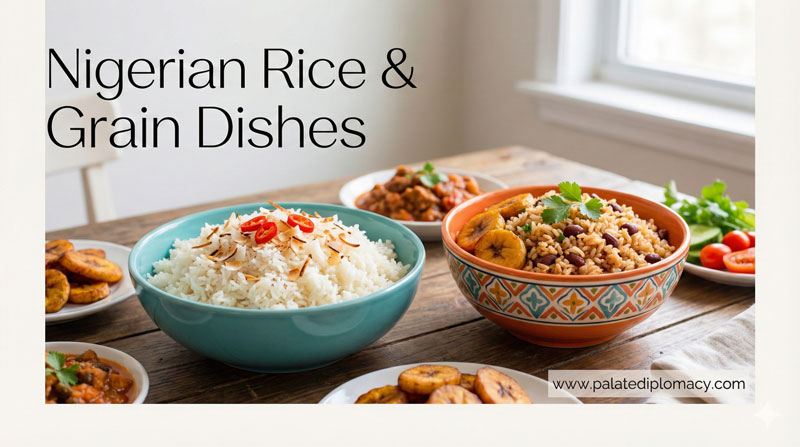
The presentation of jollof rice enhances its cultural charm. It pairs beautifully with plantains, beans, or a fresh salad. A side of grilled vegetables or a simple protein can complete a plate without overshadowing the rice’s brightness. In markets and homes, the presentation often reflects local aesthetics—colorful garnishes, bright herbs, and a generous mound of rice that signals abundance. For travelers, the dish is a canvas: it welcomes you to notice how a culture builds flavor, balance, and beauty in everyday meals.
How Travelers Can Experience Its Cultural Value
To appreciate jollof rice fully, travel with curiosity and respect. Try it at a Local market or family-owned eatery to witness everyday cooking. Observe the rhythm of the kitchen, the tools used, and the care given to every grain. If you can, ask about the spice blend or the choice of peppers, and listen to how the cook describes the sauce’s brightness. Support locals by choosing authentic versions, and honor the shared nature of the dish by leaving space for others to enjoy its flavors. In this way, the act of tasting becomes a small, meaningful lesson in hospitality and regional pride.
A Note on Craft and Care
Jollof rice rewards thoughtful cooking. The best versions balance brightness with depth, ensuring the tomato base remains lively while the grains stay light and separate. The color should be warm—an inviting copper-red that signals a rich broth beneath. The aroma should rise in a gentle plume, inviting you to take a seat and begin with curiosity. This careful craft elevates a common staple into a dish that travelers remember, returning to it in memories of markets, friends, and long journeys.
Conclusion: A Flavorful Welcome
Jollof rice stands as a testament to culinary craftsmanship and everyday culture. Its bright sauce, tender grains, and adaptable spirit invite travelers to slow down and savor. In every region where it is prepared, the dish reflects local tastes, techniques, and traditions while preserving a universal appeal. For anyone exploring the world one bite at a time, jollof rice offers a warm invitation: a colorful, comforting, and culturally rich experience packed into a single, satisfying bowl.