
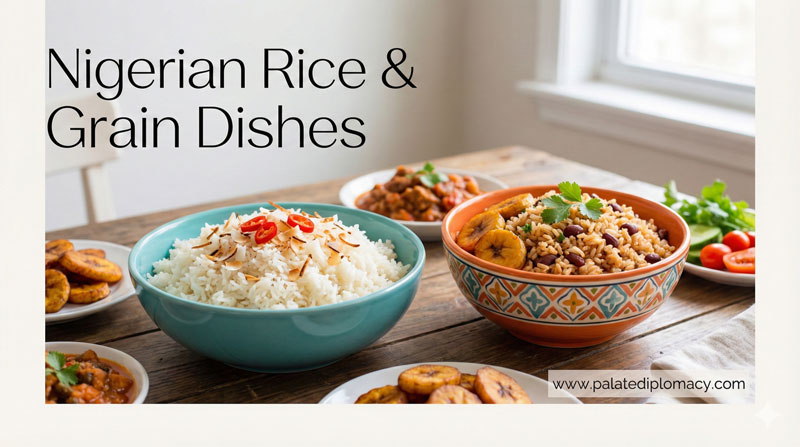
What Makes Rice and Beans So Special in Nigeria
Rice and beans is more than a dish in Nigeria. It is a warm invitation to gather, share, and savor. The pairing blends two pantry favorites into one vibrant meal. It travels through homes from morning through evening and fits into many moments of daily life. In Nigerian kitchens, rice and beans signals care, practicality, and joy. It invites conversation as much as it invites the palate. The dish’s cultural value lies in its accessibility, its nourishing balance, and its ability to carry family flavors from one generation to the next.
A Harmony of Textures and Flavors
First, rice and beans delights with a playful mix of textures. The rice is light and fluffy, absorbing a savory sauce. The beans offer a creamy, hearty bite that contrasts with the grains. Next, the flavors come alive through simple ingredients: onions, peppers, a hint of tomato, and sometimes a touch of palm oil or spice. The result is a warm, amber-colored dish with a gentle, comforting aroma. Finally, this harmony makes the meal easy to tailor. A cook can adjust heat, sweetness, and salt to suit family tastes, festivals, or daily hunger.
The Protein-Packed Duo
Beans provide plant-based protein, while rice supplies energy-rich starch. Together, they form a satisfying duo that helps fuel busy days and long evenings. In many Nigerian households, this pairing stands in for a balanced meal that nourishes both body and spirit. The combination also supports shared cooking as a family activity, since beans and rice require similar preparation steps and combine well with local seasonings. The result is a nutritious dish that tastes like home.
A Dish for Everyday and Celebration
Rice and beans serves as an everyday staple and a dish for special moments. On ordinary days, families prepare it as A Practical, comforting meal after work or school. For celebrations, cooks may elevate the dish with richer sauces, added vegetables, or seafood and meat accompaniments. In markets and street stalls, vendors offer versions that stay true to the core pairing while showcasing regional flair. Across Nigeria, this dish appears at table as a reliable friend—filling, flavorful, and easy to share.
Regional Twists in Nigeria
Second, regional twists bring variety while keeping the essence intact. In the south, cooks often use palm oil to give a warm red hue and a fruity aroma. They may add fresh pepper, tomatoes, and crayfish for depth. In other regions, spices or herbs reflect local tastes, and some cooks include small bits of dried fish or lean meat for extra richness. Across neighborhoods, you’ll find differences in texture and shade, but the core embrace of rice and beans stays the same. A simple, coconut-scented, peppery version can feel sunny and bright, while a slow-simmered variant feels cozy and intimate.
Techniques That Shape the Dish
Careful technique makes the magic of rice and beans in Nigeria. Soak and rinse the beans to remove any earthy flavors and to soften their texture. Simmer the beans gently until tender, then fold in onions and peppers to build a base sauce. Next, cook the rice in a seasoned stock or water, letting it absorb flavors without becoming mushy. A one-pot style blends beans and rice toward the end for a unified dish; a two-pot method keeps them separate and then combines for texture contrast. Throughout, moderate heat helps keep each grain distinct while preserving that comforting, cohesive finish.
Serving Traditions and Pairings
Rice and beans pairs beautifully with a range of sides and condiments. Serve it with a bright pepper sauce or a rich tomato stew to lift the dish. Add fried plantains, avocado slices, or a simple salad for balance. Some households shine with a crispy topping, such as fried onions or a light sprinkle of fresh herbs. In many kitchens, this dish doubles as a canvas for seasonal produce—greens, peppers, and herbs that introduce color and freshness. The result is A Complete, satisfying plate that welcomes family and friends alike.
The Cultural Value in Nigerian Life
Third, the dish holds a special place as a symbol of hospitality and care. Families teach children how to rinse beans, measure rice, and time the simmering steps. The cooking process becomes a small lesson in patience, teamwork, and pride in shared work. Rice and beans is a unifying thread in the kitchen, a meal that crosses ages and backgrounds within a home. It is a dish that welcomes guests, invites conversation, and creates space for memory-making. In this way, the dish isn’t just food; it is a daily ritual that reinforces belonging and warmth.
A Timeless Classic in Nigerian Food Culture
Finally, rice and beans remains timeless because it blends simplicity with richness. It honors basic ingredients and elevates them through thoughtful seasoning and care. The dish travels well in a family’s routine, adapts to different tastes, and continues to teach that good food can come from ordinary ingredients prepared with love. In Nigeria, rice and beans is a celebration of daily life—humble, versatile, and profoundly comforting.
If you are new to Nigerian cooking, start with a straightforward version: tender beans, fluffy rice, and a flavorful base of onion, peppers, and a touch of oil. Then, invite your own twists—crayfish for depth, greens for brightness, or a side of fried plantains for sweetness. The joy of rice and beans lies in its warmth, its generosity, and its enduring presence at The Heart of Nigerian kitchens.