
How Rice and Beans Reflects Nigerian Food Culture
Rice and beans sits at The Heart of Nigerian cooking. It is a dish you can find in homes, markets, and street stalls alike. It speaks softly but clearly about daily life, shared meals, and the joy of a well-balanced plate. This post invites you to see how the dish carries cultural value and culinary significance in Nigeria. It is a celebration of simple ingredients coming together with care and skill.
The Everyday Core of Nigerian Meals
In Nigeria, meals often begin with staple ingredients that stretch across generations. Rice provides a light, fluffy base, while beans deliver creamy texture and protein. The pairing is practical and comforting. It suits busy mornings and relaxed evenings alike. Families choose rice and beans because it is affordable, reliable, and flexible. You can add vegetables, meat, or fish, and the dish still feels complete. This adaptability helps the dish travel from one household to another, carrying memories of taste and comfort.
Harmony of Texture and Flavor
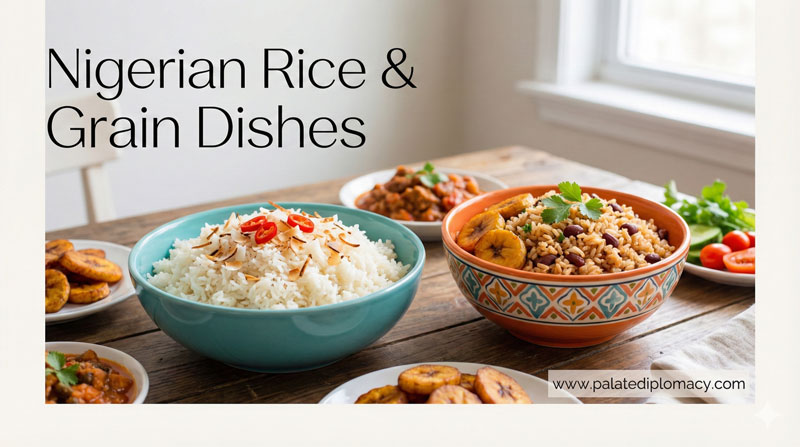
The beauty of the dish lies in its balance. The rice offers a neutral canvas that soaks up sauces and seasonings. Beans contribute a mellow creaminess and heartiness. Bright notes come from onions, tomatoes, and peppers. A touch of palm oil or a neutral oil adds glow and depth. The result is a plate with contrast: soft rice, tender beans, and a lively sauce. Colors—orange-red from peppers, deep brown from beans, and the pale gold of rice—make the dish inviting. This harmony mirrors the Nigerian palate, which enjoys layers of flavor without overwhelming intensity.
Techniques That Honor the Dish
Cooks honor rice and beans with thoughtful technique. Beans are simmered until tender and seasoned with onions, peppers, and herbs. They may be gently mashed or left whole to maintain their shape. Rice is prepared to be light and separate, not clumped, so each grain can cradle the sauce. The sauce itself is built in stages: sauté onions, add peppers, then tomatoes, and finish with a savory balance of salt, spice, and sometimes a touch of sweetness from bell peppers or a pinch of sugar. When served, the plate feels coherent, as if every part was planned to complement the others.
Regional Voices: Variations That Enrich the Plate
Across Nigeria, cooks bring personal touches to rice and beans. Some regions prefer a richer, oilier glaze with palm oil, which offers a warm aroma and a glossy finish. Others lean toward a lighter sauce, using vegetable stock and fresh herbs. Spices may vary, from simple salt and pepper to local blends that include turmeric, curry, or garlic. Although the core combo stays the same, these tweaks celebrate local tastes and family traditions. The result is a family of versions that all honor the same idea: a nourishing, shareable dish built on two humble staples.
The Social Side: Food as Hospitality
Hospitality shines through rice and beans. It is common to see generous portions served to guests, neighbors, and visitors. The dish invites conversation as plates are passed and shared from a single vessel or arranged on a larger platter. It supports gatherings, celebrations, and everyday chats alike. Serving rice and beans is a sign of welcome and warmth. In homes and communities, the act of sharing reinforces bonds and creates a sense of belonging around the table.
Sustainability and Nutrition in a Busy Kitchen
Nutritionally, rice and beans deliver balance. Beans supply protein and fiber; rice provides energy through carbohydrates. The dish can be enriched with vegetables, leafy greens, or lean proteins to boost vitamins and minerals. It adapts to what is available, reducing waste and supporting steady meals through the week. Because it uses pantry staples, it remains accessible to many households, encouraging consistency in cooking and enjoying good, home-cooked meals.
Conclusion: The Gentle Power of a Humble Plate
In its simplicity, rice and beans embodies a core idea of Nigerian Food Culture: food can be nourishing, flexible, and joyful all at once. It invites cooks to care for ingredients, to honor family patterns, and to share a meal with kindness. The dish stands as a quiet, enduring emblem of daily life—where flavor, texture, and tradition meet on a single plate. By celebrating rice and beans, we celebrate the beauty of Nigerian home cooking and the gracious spirit it brings to the table.