
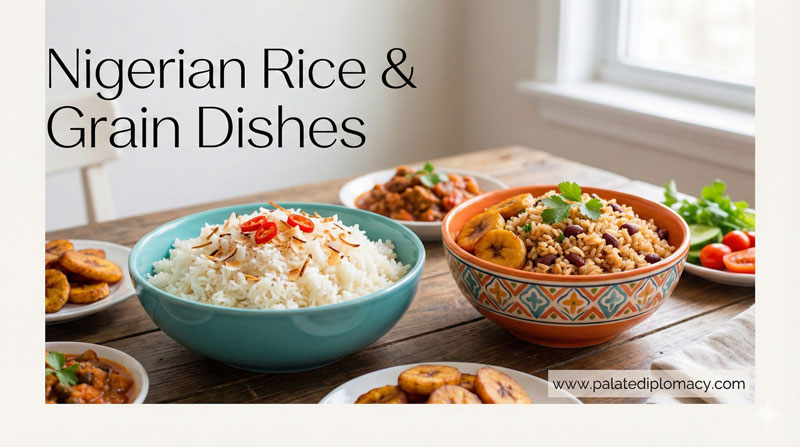
In Nigeria, rice and beans is more than a meal. It is a gentle, daily ritual that blends warmth, color, and care. This dish speaks to how food brings people together and how flavor can tell a story of home and hospitality. Here we explore What Makes rice and beans so special in Nigeria, focusing on culture and culinary meaning.
What Makes Rice and Beans So Special in Nigeria
Rice and beans pairs two kitchen staples into one harmonious plate. White rice offers a soft, fluffy base, while beans add substance and depth. The combination creates a balance of light and hearty textures. The sauce that accompanies the dish—often a bright, peppery tomato mix enriched with onions and a touch of palm oil—adds color and aroma that lift the entire plate.
In Nigerian kitchens, this dish shines in everyday meals and in gatherings with neighbors and friends. It is flexible and forgiving, yet it rewards careful prep. Some cooks simmer beans until creamy; others keep a bit of bite for contrast. The rice is cooked to separate grains, or sometimes steamed with the beans for a richer meld. The result is a plate that feels welcoming, familiar, and generous.
The beauty of this dish lies in its simplicity and adaptability. A family can tailor it to taste, using familiar seasonings and a preferred level of heat. It remains bright, comforting, and satisfying. The flavors tell a quiet story of home, care, and shared meals.
Everyday Comfort and Generous Hospitality
Rice and beans holds a special place in daily life. It is a reliable go-to for busy days when time matters, yet it invites slow, thoughtful cooking on weekends. The dish acts as a canvas for what a household loves most—an aroma that greets guests at the door, a plate that signals “you are welcome here.”
Sharing is the heart of the experience. A generous serving is offered with a smile, and newcomers are invited to join in. The table becomes a place where stories are exchanged, jokes are shared, and relationships are strengthened. This is more than food; it is a gesture of hospitality that Nigerian households practice with care.
The beans bring protein and warmth, while the rice provides a neutral stage for seasoning, vegetables, and any added proteins. The result is a bright, comforting plate that suits breakfast, lunch, or supper. It adapts to the rhythm of life and celebrates the pleasure of good company.
Flavor, Texture, and Culinary Craft
The allure of rice and beans comes from its texture and the way flavors build. Palm oil adds a warm, reddish tint and a gentle, nutty note. The peppers bring a gentle heat and a lively brightness. Tomatoes, onions, and spices create a sauce that clings to every grain.
Culinary craft shines in small choices: how long to simmer the beans, whether the rice is rinsed and fluffed or cooked with a touch of the sauce, and how the final stir brings fragrant steam to the surface. Some cooks finish with a squeeze of lime or a handful of fresh herbs for a final lift. Others add a fried onion topping for crisp contrast. Each choice tells a personal story of taste and technique.
This dish is not rushed. The Best versions unfold with patience, giving beans time to soften and rice grains time to separate. The end result is a plate that feels bright, comforting, and thoughtfully prepared. The flavors are familiar, yet each spoonful reveals new depth.
Regional Voices and Local Touches
Across Nigeria, households bring their own touches to rice and beans. Some cooks favor black-eyed peas for a creamy texture, while others use brown beans for a different bite. The sauce may lean more tomato-forward in one region and be richer in palm oil and pepper in another. A spritz of citrus, a handful of crushed crayfish, or a sprinkle of local herbs can mark a regional signature.
These variations celebrate local ingredients and personal memories. A home kitchen may feature a unique blend of spices, a preferred heat level, or a Favorite accompaniment such as fried plantains (dodo) or a fresh vegetable side. The dish adapts to what is available and what a family loves to eat, while keeping the essence: a comforting, shareable plate centered on beans and rice.
The Table, Hospitality, and Shared Moments
Cooking rice and beans becomes an invitation to community. Guests are welcomed with warmth, and the aroma draws people to the table. The dish creates a space where conversations flow freely, and everyone feels valued. It is a bridge between generations, a way to pass down simple techniques, and a way to celebrate everyday life.
Meals around this dish often center on togetherness. It is common to prepare extra so that neighbors can stop by and share a plate. This practice strengthens bonds and creates memories of good times around a single, satisfying meal.
A Simple Guide to Appreciating Its Beauty at Home
- Rinse and simmer the beans until tender, then set aside.
- Cook the rice with care, keeping grains separate for a light texture.
- Sauté onions, peppers, and tomatoes in a small amount of palm oil, building a bright sauce.
- Combine rice and beans with the sauce, or serve the sauce on top as a vibrant, flavorful bed.
- Finish with a fresh touch—herbs, lime, or a dash of heat—to taste.
- Serve with a side that complements the dish, such as fried plantains or a crisp vegetable salad.
Rice and beans in Nigeria is a celebration of everyday life. It is a dish that welcomes, nourishes, and connects. Its beauty lies in its balance, its adaptability, and the way it carries the warmth of the table to every home that prepares it.