
Introduction
How Fish Roll Reflects Nigerian Food Culture opens a window into a beloved snack that many Nigerians reach for with a smile. This dish brings together crisp pastry, savory fish, and bright seasonings to create a small celebration of flavor. More than a bite, fish roll shows how simple ingredients can carry memory, craft, and community. In this post, you will discover its cultural value, its culinary significance, and the quiet artistry that Makes It a staple on a busy street, in a family kitchen, or at a neighborhood gathering. The focus is on the beauty of the dish and its place in everyday life.
What is Fish Roll?
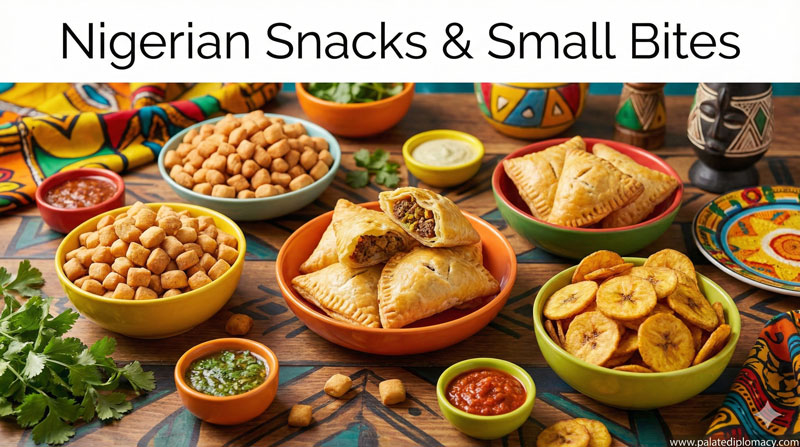
Fish roll is a pocket of flaky pastry filled with a flavorful fish mixture. The filling often includes minced fish, mashed potatoes, onions, and peppers, seasoned with herbs and a touch of heat. The rolls are sealed and fried until the pastry turns golden and crunchy. Then they rest briefly, ready to be enjoyed warm. This combination—crisp crust, juicy interior, and a balanced kick of spice—speaks to a style of cooking that values texture, aroma, and approachability. It is a practical treat you can carry, share, and savor with friends.
Flavor and Technique
The heart of fish roll lies in its harmony of taste and technique. First, cooks build a filling that is comforting yet bright: fish for umami, potatoes for body, onions for sweetness, and peppers for heat. Next, the mixture is seasoned to a confident, clean profile that welcomes a wide audience. Then comes the pastry: a light, flaky wrapper that seals in moisture and creates a satisfying bite. Finally, frying delivers a crisp exterior and a fragrant scent that draws people in. The result is a snack that feels crafted, even when made quickly, and that travels well from kitchen to street corner.
Cultural Value
Fish roll embodies a practical generosity. It is affordable, portable, and social by design. People buy it from street vendors during a lunch break, a market stroll, or a festive afternoon with neighbors. Families pass down tips for achieving a balanced filling and the ideal pastry texture, creating a living tradition that adapts with time. The dish also reflects resourcefulness: fish, potatoes, onions, and peppers come together to stretch flavors across meals and moments. In gatherings, fish roll becomes a shared pleasure—the kind of food that sparks conversation and connection as much as it satisfies hunger.
Culinary Significance
Culinarily, fish roll showcases how Nigerian flavors can be layered yet approachable. The spice profile often leans toward a bright pepper heat that is gentle enough for broader appreciation, complemented by the mild, briny fish. The technique emphasizes clean lines: precise filling, careful sealing, and a hot, steady fry to achieve even color and texture. Such attention to balance mirrors a broader culinary sensibility: comfort foods that still surprise the palate, foods that invite you to notice both the crust and the filling, and foods that honor everyday cooking with a touch of refinement.
Social Context and Occasions
This dish thrives in social settings. It appears at markets, school canteens, and neighborhood events, where people come together to share a quick meal and a friendly moment. It pairs well with a simple tomato or pepper sauce, a squeeze of lime, and, on special days, a light salad to refresh the palate. The act of sharing fish roll—whether among family or friends—emphasizes hospitality and cheerful dining. In such moments, food becomes more than sustenance; it becomes a friendly ritual that strengthens community bonds.
Reflection on Nigerian Food Culture
Fish roll mirrors the essence of Nigerian food culture: warmth, versatility, and a love of bold, balanced flavors. It demonstrates how a dish can be both everyday and special, casual and carefully crafted. The pastry-and-filling structure invites creativity, while the reliance on familiar staples anchors it in daily life. Ultimately, fish roll stands as a small ambassador for Nigerian culinary artistry—simple in concept, rich in experience, and openly shared among people who value good taste and good company.
Conclusion
In its crisp exterior and flavorful interior, fish roll captures more than a snack; it captures a moment of cultural expression. It tells a story of practical cooking, communal joy, and the enduring charm of well-balanced flavors. As you encounter fish roll, notice how each bite reflects patience, skill, and a sense of welcome. The dish invites you to slow down for a moment, savor the aroma, and appreciate the everyday beauty of Nigerian food culture.