
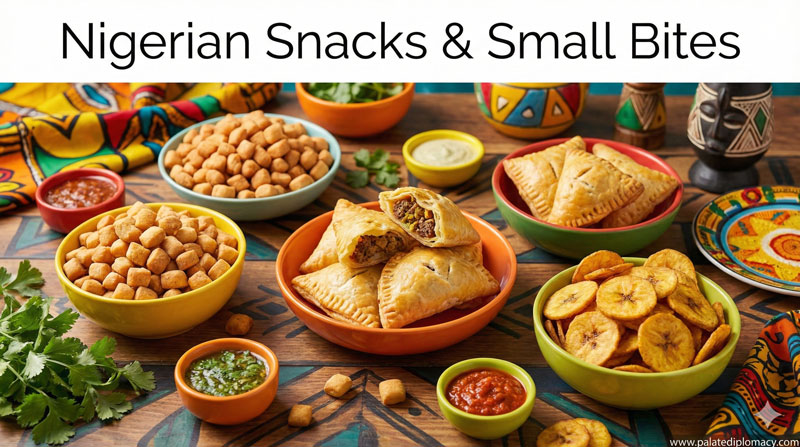
Chin chin stands as a bright, cheerful presence in Nigerian kitchens. Its crisp texture, inviting aroma, and friendly price keep it a staple for many households. This snack travels easily from home to market stalls, spice corners, and festive tables, always adding a note of celebration. In this post, we explore how chin chin Became Popular in Nigerian cuisine, focusing on cultural value and culinary significance.
The Allure of Chin Chin in Nigerian Kitchens
Chin chin invites sharing. Families prepare it for gatherings, tea time, and school snacks, turning everyday moments into mini celebrations. The bright golden color and satisfying crunch make it a favorite among all ages. Its versatility helps it fit into many occasions, from casual hangouts to special events. The dish embodies warmth, hospitality, and a simple joy in good food.
A Snack Rooted in Craft and Shared Moments
Crafting chin chin is a gentle, patient process. The dough comes together quickly, then rests and is cut into small pieces. Frying requires attention to oil temperature, timing, and careful handling. The result is a light, crisp bite that crackles softly with each chew. In homes across Nigeria, the act of shaping and frying chin chin becomes a small ritual shared by friends and family.
The Making of Chin Chin: A Culinary Technique
The base is straightforward: flour, sugar, a pinch of salt, and a touch of fat to enrich the dough. Some cooks add milk or eggs for a smoother mouthfeel, while others keep it simple with water. The dough is rolled or flattened, then cut into diamonds or small squares. After frying in hot oil, chin chin rests briefly to drain, then cools to a perfect crunch. The technique rewards attention and care, yielding texture that is both sturdy and delicate.
Chin Chin Across Regions: Variations and Flavor Notes
Across Nigeria, bakers and home cooks adapt chin chin to local tastes. Some versions use vanilla or nutmeg for a warm aroma, while others keep spice subtle and clean to highlight the crisp bite. A light dusting of sugar provides a gentle sweetness, but there are savory twists as well, such as a hint of pepper for a mild kick. Shapes vary too, from neat diamonds to loose sticks, each offering a slightly different crunch. These small differences reflect regional preferences and the creativity of cooks.
Pairings, Presentation, and Social Significance
Chin chin shines beside tea, coffee, or a refreshing drink like zobo. It also makes a charming platter for gatherings, presenting well in neat bowls or baskets. presentation matters: a warm, golden batch kept in a lined container invites guests to sample. Sharing chin chin communicates care and welcome, reinforcing the social fabric of meals. The snack’s simple beauty lies in its ability to bring people together around a shared bite.
From Street Stalls to Home Tables: The Evolution of Popularity
Chin chin traveled from quick home fry sessions to popular street stalls and family gatherings. Its affordability and quick production make it accessible to many, expanding its reach within communities. As more households adopted the snack, it found a place on home menus and celebratory spreads. The growth reflects a love for crispy, comforting foods that suit busy lives and leisurely moments alike. Throughout, chin chin embodies practicality, warmth, and a cheerful spirit in Nigerian eating culture.
A Timeless Snack with Modern Appeal
Today, chin chin remains a beloved emblem of Nigerian cuisine. Its appeal endures because it pairs well with daily routines and special occasions alike. The snack celebrates skill, care, and the joy of sharing food with others. Whether served at a quiet corner of the home or a lively party table, chin chin speaks to the beauty of simple, well-made food. Its place in Nigerian Food Culture is a warm invitation to savor texture, aroma, and togetherness.
If you’re curious to try making chin chin at home, start with a basic dough, keep the oil at a steady temperature, and fry in small batches. You’ll notice how a humble ingredient can connect flavors, memories, and smiles.