
A Morning Favorite: Nihari’s Place in Everyday Meals
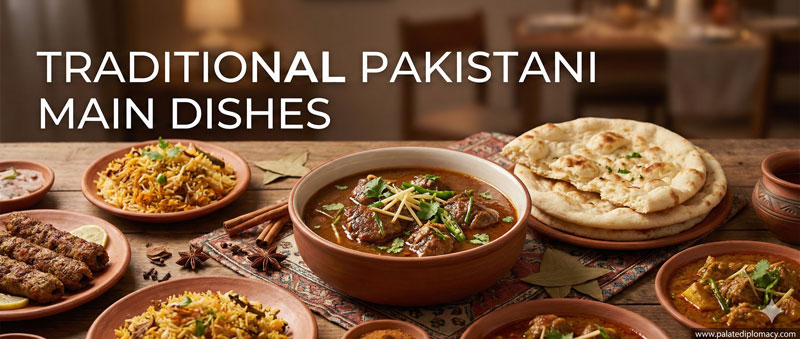
Nihari greets the day with comforting warmth. In kitchens across many cities, a pot hums away on a slow flame, releasing a fragrance that signals care and time well spent. Beef or lamb shanks soften as hours pass, and the marrow in the bones adds a glossy richness to the sauce. The result is a velvety gravy that clings to a crust of naan, inviting the family to gather round. This is more than nourishment; it is a ritual that marks the start of shared moments, conversations, and a quiet sense of belonging. Nihari is not rushed. It invites patience, reverence for technique, and a feeling that good food takes time to take shape.
The Slow-Symphony of Flavor: What Makes Nihari Unique
The heart of Nihari lies in its slow simmer. A cornerstone of many kitchens is a pot that stays gently simmering for hours, letting every layer of spice and meat mingle. The long cooking time transforms tougher cuts into tender bites and lets the marrow dissolve into the gravy, lending a silky texture that is distinctively indulgent. Whole spices – cumin, coriander, fennel, cloves, and cinnamon – bloom slowly, while ginger and garlic paste adds warmth and brightness. The balance between heat, aroma, and depth is what gives Nihari its signature character. Each spoonful carries the memory of patient cooking and a careful blend of modest spices that never overwhelms the meat.
A Tactile Feast: Ingredients and Craft
Nihari centers on a few stellar ingredients prepared with attention. Quality beef shank or lamb leg provides the backbone, while marrow bones enrich the sauce with a luxurious sheen. The spice profile often includes chili powder for a gentle heat, along with coriander and cumin for earthiness, and ground fennel or other warming notes to lift the aroma. A paste of fresh ginger and garlic adds bite, tempered by a touch of salt and pepper. A slow braise allows the meat to yield, and the resulting gravy coats each piece in a glossy, fragrant coating. The finishing touch is a drizzle of ghee or hot oil to awaken the spices, followed by a moment of rest before serving.
Shared Moments: Nihari at Family Tables and Social Gatherings
Nihari shines in social settings. It appears on tables after dawn prayers, or as a weekend treat when friends and relatives drop by. The act of ladling the thick gravy, tearing hot naan into pieces, and dipping without hesitation creates a shared rhythm. Conversations drift with the steam, and laughter rises with steam as bowls empty and a new one fills. The dish travels beyond the kitchen, becoming an invitation for hospitality. In this way Nihari acts as a bridge between generations, linking cooks, learners, and diners in a continuous exchange of technique, flavors, and fond memories.
Regional Variations: From City to City
Across regions, Nihari wears subtle regional accents. In some cities, the texture is extra smooth and the spice profile slightly milder, letting the meat shine through. In others, heat is more pronounced, and the sauce carries a richer, deeper color. Some kitchens emphasize the marrow’s silkiness, while others lean toward a leaner, more pepper-forward finish. Yet the core idea remains the same: a deeply flavored, slow-cooked dish that invites savor and sharing. This variety shows how a single dish can adapt to different tastes while preserving a unifying identity.
Pairings and Rituals: Sides, Spices, and Sips
Nihari pairs beautifully with fresh naan, often warm and puffy, torn into bite-sized pieces for scooping. Crisp kachumber salad or sliced onions with a squeeze of lemon adds brightness that cuts through the richness. A dollop of chopped green chilies and fresh cilantro can uplift the aroma, while a tangy pickle provides a sharp counterpoint. For beverages, a hot cup of tea or a light, aromatic chai complements the meal without competing with the spices. These accompaniments elevate the experience, guiding the palate through the dish’s layers and inviting repeat tasting.
The Language of Aroma: Cultural Significance
The aroma of Nihari speaks before the taste does. It carries memories of kitchens where recipes are passed down and refined with care. The scent of simmering meat, toasted spices, and ghee is a signature of welcome and warmth. In many homes, sharing Nihari creates a bridge between the present and the past, a moment when family members anticipate the first spoonful and reminisce about previous gatherings. The dish also showcases craft: the skill to balance flavors, the patience to maintain a steady simmer, and the generosity to serve large bowls to guests. This fragrance is a language of hospitality that transcends routine meals and elevates everyday eating into a cultural moment.
Conclusion: Why Nihari Endures
Nihari endures because it blends technique, flavor, and sociable spirit into one dish. It rewards slow, attentive cooking with a gravy that clings to bread and a tenderness that sings with spice. It welcomes diners, invites conversation, and marks occasions large and small with a sense of care. The dish travels through kitchens and gatherings with a consistent message: taking time to prepare something thoughtfully creates a shared joy. In this way Nihari remains not only a beloved recipe but a living expression of Food Culture, connection, and culinary artistry.