
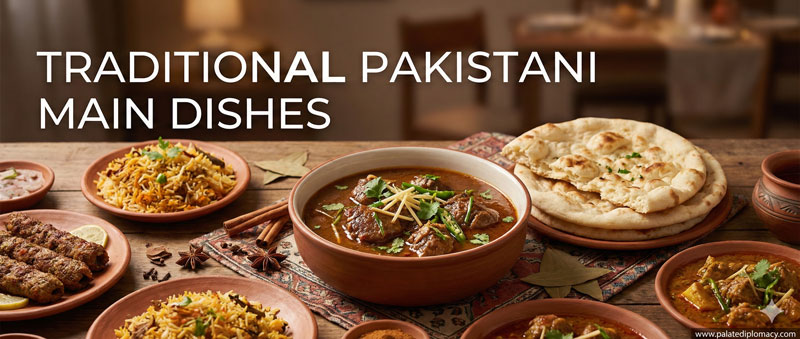
A Dish That Speaks Through Heat and Aroma
Karahi is a dish that draws you in with its sizzle, aroma, and bright colors. In Pakistani kitchens, it speaks a universal language of hospitality and joy. The name itself hints at the cooking vessel and the fast, lively method that brings out bold flavors. It invites you to taste fresh ingredients, balanced spices, and a moment of shared celebration.
The Karahi: A Classic Pan in Pakistani Kitchens
A karahi is a deep, circular pan with high sides that concentrates heat and flavors. It represents a practical, expressive style of cooking. The dish inside is flexible, welcoming chicken, beef, or mutton, and even vegetables. This adaptability makes karahi a common sight in homes and in bustling markets.
From Street Sizzles to Home Tables
Karahi rose to popularity as a street food favorite and soon moved to family kitchens. Vendors in busy lanes cooked it quickly, using high heat and ample chopping of fresh ingredients. Families learned its recipe by watching, tasting, and then adjusting it at Home. Today, you can find karahi on casual lunches, evening gatherings, and celebratory meals alike.
The Cooking Method: Fire, Spice, and Timing
The technique is direct and dynamic. First, cooks heat oil until it shimmers. Next, they sear meat to lock in juices. Then comes a tomato-based sauce with garlic, ginger, and green chilies. Finally, spices mingle in—cumin, coriander, garam masala—while the dish finishes in a lively, bubbling karahi. This method preserves tenderness and creates a bright, aromatic finish.
The Ingredients: Meat, Tomatoes, and Fresh Aromatics
Quality meat, ripe tomatoes, and fresh herbs drive karahi’s charm. Chicken offers a lighter, quicker option; mutton and beef deliver depth. Tomatoes provide natural brightness, while ginger and garlic add warmth. Fresh cilantro, green chilies, and a squeeze of lemon brighten the final plate. Balanced oil and spices keep the texture juicy rather than dry.
The Social Heartbeat of Karahi
Karahi is more than food; it is a moment of connection. Friends and family gather around the table, sharing stories as steam rises. The dish invites conversation as everyone serves themselves from the same pan. This social ritual makes karahi feel ceremonial yet welcoming, simple yet meaningful.
Regional Flavors and Variations
Different cities bring subtle shifts to karahi. In some regions, cooks favor a richer tomato base with a touch of sweetness. In others, chilies and fresh greens add a sharper bite. Variations may feature bone-in cuts for extra flavor or use boneless meat for quicker cooking. Yet the core remains the same: a quick, high-heat finish that preserves succulence.
Presentation and Pairings
Karahi shines when plated with care. A bright scatter of chopped cilantro and a wedge of lemon lift the aroma. It pairs beautifully with naan, roti, or steamed rice. On the side, a simple cucumber salad or pickle adds crunch and balance. The overall presentation invites guests to appreciate both texture and color.
Keeping Karahi Alive: Modern Ways to Enjoy It
Today, chefs and home cooks explore new twists while honoring tradition. You’ll find lighter versions that use lean cuts and fresh herbs. Some cooks experiment with smokier notes or masala blends that respect the dish’s core. No matter the variation, the essence stays: fast, flavorful, and warmly inviting.
In celebrating how karahi Became Popular in Pakistani cuisine, we honor a cooking style that is energetic, generous, and deeply culinary. It is a dish that makes a table feel alive, a celebration of ingredients, technique, and togetherness.