
Top Reasons People Love Eating Korma
Korma is a dish that invites curiosity and affection. It blends creamy texture with a bright balance of spices, creating a comforting yet refined experience. Across many kitchens, it sparks smiles, conversations, and a sense of shared enjoyment. In this post, we explore its cultural value and culinary significance, highlighting why so many people treasure this dish.
What Is Korma?
Korma is a yogurt- and nut-based curry that braises slowly to become velvety and rich. The base is typically a smooth paste of ground nuts, yogurt or cream, and a careful mix of spices. The result is a sauce that clings to every grain of rice or each piece of bread. Though variations exist, the heart stays the same: a luxurious balance of tang, sweetness, and warmth that speaks to the care put into preparation.
A Creamy, Aromatic Experience
The sensory appeal of korma runs deep. The aroma often begins with ghee and whole spices—cardamom, cloves, cinnamon—tingling the air before gentle notes of saffron or rose water appear. The sauce swirls with softness, thanks to almond or cashew paste that thickens and coats the ingredients. Each bite feels tender, with the yogurt lending brightness and the nuts providing subtle texture. This harmony makes korma feel celebratory yet approachable, ideal for both quiet weeknights and special gatherings.
Techniques Behind the Texture
Creating korma is about patient care. Slowly simmering allows flavors to mingle without losing their individuality. A common method is to grind nuts into a smooth paste and fold it into the simmering sauce, creating a creamy body without heaviness. Tempering spices in hot oil or ghee unlocks their oils and fragrances, enriching the sauce with depth. The result is a sauce that emulsifies gently, coating meat, poultry, or vegetables with a silky, indulgent sheen.
Cultural Value: Hospitality and Shared Moments
In many homes and restaurants, korma is more than a meal; it is a gesture of hospitality. Preparing a platter of kormas alongside fragrant rice or fresh bread signals welcome and care. Family members often gather to stir the sauce, taste as it thickens, and adjust seasoning together. In this way, korma becomes a ritual of creating warmth and connection, a culinary thread that ties generations to the table. The dish also features prominently in celebratory menus, where its luxurious creaminess mirrors moments of joy and togetherness.
Regional Voices: Variations Across Kitchens
Korma travels well across regions, and with that travel comes delightful variation. In some kitchens, coconut milk adds a tropical brightness; in others, a heavier cream and more coriander leaves Create a fragrant, nutty finish. Awadhi-style korma is known for its refinement and delicate balance, often finished with a touch of saffron and dried fruit for subtle sweetness. In other areas, the nut paste is blended with fenugreek or mint for a fresh lift. These regional nuances enrich the dish, offering a tapestry of flavors that stay true to the core concept while reflecting local tastes and ingredients.
Key Ingredients and Why They Matter
- Yogurt and cream provide the classic tang and lush body that define korma’s mouthfeel.
- Nuts such as almonds or cashews add richness, depth, and a gentle creaminess when ground into a paste.
- Aromatic spices (cardamom, cinnamon, cloves, cumin, coriander) build a warm, comforting foundation.
- Ghee or oil helps bloom spices and carries fragrance through the kitchen.
- Optional touches like saffron, rose water, or dried fruits add elegance and a subtle sweetness.
Each ingredient plays a role in the balance: acidity from yogurt, richness from nuts and dairy, warmth from spices, and brightness from saffron or citrus notes. Together, they create a dish that feels both comforting and sophisticated.
Pairings and Serving Traditions
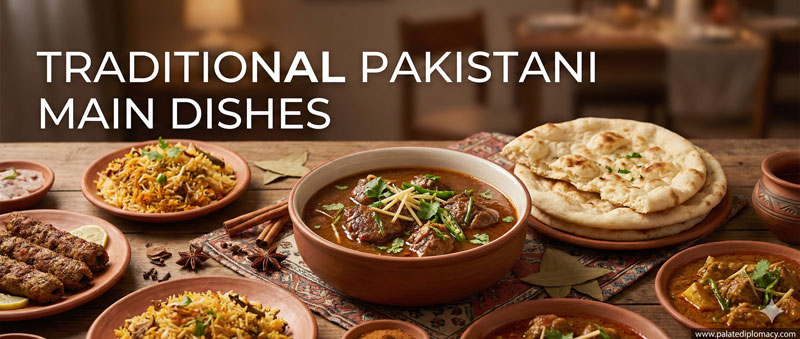
Korma shines when paired with simple accompaniments that let its sauce do the talking. Fragrant basmati rice or fluffy naan are classic partners, offering neutral textures that absorb excess sauce. A cool raita or a fresh salad provides contrast to the dish’s richness. Garnishes such as toasted almonds, sesame, or thinly sliced onions add crunch and sparkle. Presenting korma on a warm platter with modest decoration emphasizes hospitality and gives diners a moment of shared anticipation.
Why People Seek Korma
- The creamy texture invites savoring and slow enjoyment.
- The aroma signals comfort and care, drawing people to the table.
- The spice blend delivers warmth without overpowering gentleness.
- The versatility supports both meat and vegetarian preferences.
- The dish carries a sense of tradition and craft, rewarding those who invest time in preparation.
Conclusion: A Timeless, Welcoming Favorite
Korma stands out for its ability to elevate everyday meals into memorable experiences. Its creamy sauce, layered flavors, and emphasis on shared eating make it a dish worth cherishing. Whether prepared for a quiet evening at Home or a festive gathering, korma invites curiosity, respect, and delight. In every spoonful, the beauty of this culinary tradition shines—an inviting celebration of flavor, texture, and the pleasure of coming together around good food.