
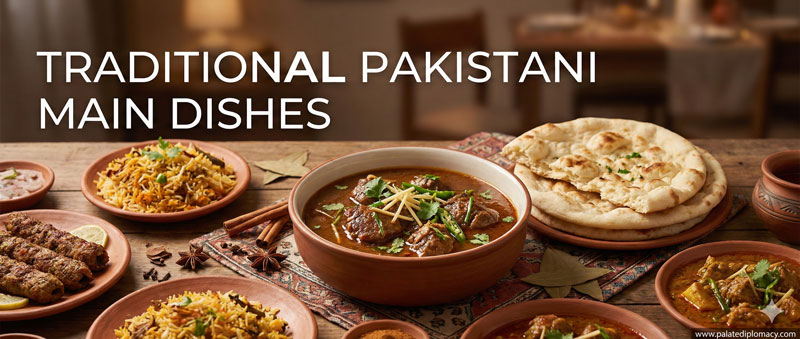
A Complete Guide to Enjoying Korma Like a Local
Korma is more than a dish. It is a warm invitation to slow, shared eating. In homes and at table, korma signals care, patience, and the joy of good ingredients treated with respect. The name hints at a gentle simmer that lets flavors mingle until they feel like one velvet bite. When you savor korma with others, you taste a quiet celebration of everyday life.
The Cultural Heartbeat of Korma
Korma centers on balance. The sauce is creamy without being heavy. It carries yogurt or cream, and sometimes both, blended with nut paste for body. Whole spices—cardamom, cinnamon, and cloves—perfume the dish, while turmeric adds warmth and cumin and coriander give depth. The aroma alone invites you to the table. Korma travels easily between meals, seasons, and pantry staples, adapting with grace to whatever is fresh. This adaptability makes korma a staple in many kitchens and a gentle symbol of hospitality and care in daily life.
Core Flavors and Ingredients
A great korma harmonizes texture and taste. A smooth, velvety sauce coats tender pieces of chicken, lamb, or vegetables. The dairy base—yogurt, cream, or a combination—helps create that lush mouthfeel while keeping the dish light on the palate. Nut paste, usually almond or cashew, adds body and a slight sweetness. Spices are bright but modest: cardamom for perfume, cinnamon for warmth, cloves for subtle bite, with coriander and cumin providing earthiness. Some versions use saffron for a golden hue and a delicate floral note; rose water can lift the aroma in others. Regional touches appear, too: coconut milk or ground seeds for a local twist, or dried fruits for a gentle sweetness in certain styles. The result is a sauce that thickly coats each bite and invites you to slow down.
Regional Variations That Tell Local Stories
Hyderabadi korma often feels luxurious, with a rich texture and a pronounced nutty note. Awadhi or Lucknowi korma emphasizes refined creaminess and a delicate balance that lets the spices sing softly. Kashmiri styles may highlight dried fruits, a pale, fragrant sauce, and a touch of tang from yogurt. Punjabi and other North Indian interpretations tend to be hearty, pairing well with bread and offering a robust, comforting edge. Each variation grows from local markets, family recipes, and seasonal produce. The result is a tapestry of flavors that locals recognize and celebrate.
How to Enjoy Korma Like a Local
First, inhale the aroma. The perfume primes the senses. Next, choose your accompaniment: steamed basmati rice or a warm naan. Scoop a modest portion of the sauce and take a small bite to feel the texture—creamy, smooth, with a bright glaze from the spices. Notice the balance: tang from yogurt, warmth from spices, and richness from nuts. Sip a little cool water or a light yogurt drink between bites to reset the palate. Allow the sauce to linger on each bite as flavors unfold slowly. In many homes, korma is enjoyed as a dish that invites conversation and time together, not a rushed moment.
Pairings, Occasions, and Etiquette
Korma shines with simple starches like plain rice or soft breads such as naan or paratha. Fresh coriander, crisp onions, and a squeeze of lemon can brighten the plate. It suits festive gatherings, weekend dinners, or a quiet family meal to unwind. Hospitality shines through when hosts offer seconds and share generously. When served in a group, keep bowls warm, pass to the left, and savor a gentle rhythm of tasting and talking. These small rituals elevate the experience and deepen appreciation for the dish.
Selecting and Storing Korma at Home
Choose korma with a glossy, thick sauce and visible nut texture. Favor fresh spices and good-quality dairy for depth and balance. If you store leftovers, keep them in a clean container in the fridge for up to three days. Reheat slowly to preserve creaminess, adding a splash of water or a touch of yogurt to re-emulsify the sauce. For the best experience, consider making a fresh batch with toasted spices and ground nuts; this keeps aroma bright and texture smooth.
A Gentle Note on Texture, Aroma, and Mindful Eating
The best korma offers a graceful balance of silky sauce and tender meat or vegetables. Texture matters as much as taste: a subtle bite through the protein, a smooth mouthful, and a fragrant finish on the palate. Aroma guides the first impression, while the aftertaste invites lingering. Eat mindfully and appreciate how ingredients come together to create comfort that is soothing rather than overwhelming.
Final Thoughts: Korma as a Living Tradition
Korma travels through kitchens and markets, evolving with skilled hands and seasonal produce. Its value lies in the moments it creates: shared meals, calm conversations, and the care found in a well-made sauce. By learning to enjoy korma Like a local, you join a long thread of cooks and diners who treat each bite as an invitation to warmth, connection, and everyday beauty.