
The Story Behind Korma, a Pakistani Food Favorite
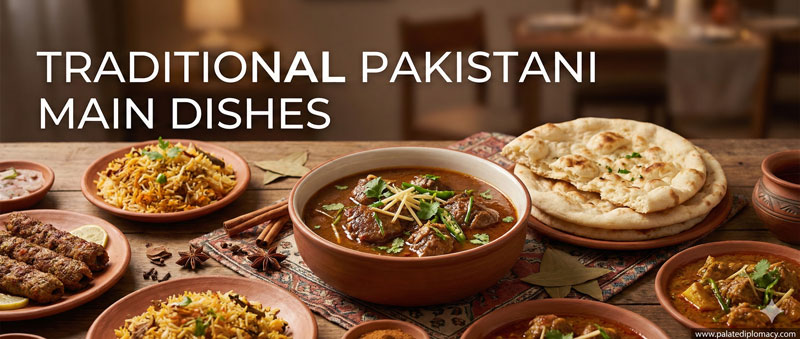
Korma is a creamy, fragrant curry that sits at the heart of many Pakistani kitchens. It welcomes guests with a warm aroma and a smooth texture. The dish carries a sense of care, patience, and shared moments around the stove. In homes and gentle gatherings, korma becomes a symbol of hospitality and good will. This post explores its cultural value and culinary significance, inviting you to savor The Story behind the aroma.
Core Ingredients and Their Cultural Meaning
Korma celebrates balance. Yogurt or cream provides a soft base, while ground nuts add richness and depth. Spices like cardamom, cumin, coriander, cloves, and cinnamon lift the dish with warmth. Relationships matter here: ingredients meet slowly, and flavors settle together. Garnishes such as fresh cilantro, fried onions, or a sprinkle of saffron threads add a final touch, signaling care for the guests at the table. Each component tells a quiet tale of generosity, skill, and everyday artistry in the kitchen.
Crafting Korma: Technique and Care
The craft of korma centers on patient layering. Sauces simmer gently, allowing nuts or coconut to emulsify with tangy yogurt and fragrant spices. Gentle heat prevents curdling and preserves tenderness in meat or vegetables. The cook tastes often, adjusting salt and acidity to harmonize sweetness with savor. This careful method mirrors the broader value placed on balance in cooking: nothing rushes, everything harmonizes. The result is a silky curry that carries a calm, inviting presence.
Family Kitchens, Celebrations, and Hospitality
Korma shines at family dinners, weekend meals, and special occasions. It is a dish shared, passed down, and prepared with attention to the preferences of loved ones. In many households, a grandmother’s touch or a seasoned aunt’s tweak can define a version. Serving korma is an act of hospitality, inviting others to sit, eat well, and feel welcome. The dish often accompanies bread such as naan or steamed basmati rice, turning the meal into a moment of togetherness. Its presence at celebrations signals warmth, gratitude, and a well-tended home.
Regional Variations Across Pakistan
Across Pakistan, korma adapts to local produce and tastes. In Punjab, you may find a mellow, dairy-forward version that pairs beautifully with hearty breads. In Sindh, nut paste and a brighter spice balance may shine, offering a nuanced aroma. In other regions, cooks customize heat levels and thickness to reflect family preferences and seasonal ingredients. Vegetable korma brings brightness and balance to plant-based meals, while meat-based versions showcase tenderness and depth. These variations celebrate regional flavors while preserving the shared idea of korma as a comforting, respectable dish.
The Senses: Aroma, Texture, and Presentation
A good korma fills a room before it reaches the plate. Cardamom and saffron threads release fragrance that mingles with toasted nuts and simmering yogurt. The texture glides smoothly, never harsh or coarse, inviting slow, mindful tasting. Presentation matters too: a glossy surface, a light shower of fresh herbs, and a practical, generous serving size convey care and respect for guests. The sensory experience—smell, look, and mouthfeel—maps the cultural value of welcoming others to dine with you.
Pairings, Serving, and Everyday Moments
Korma pairs well with soft breads and fragrant basmati rice, offering a comforting contrast in texture. Its gentle richness complements salads, pickles, and cool raita, balancing savory warmth with refreshing brightness. In everyday life, serving korma becomes a small ceremony: ladling the sauce, setting bowls, and ensuring everyone has a comfortable seat. Through these small acts, the dish reinforces values of generosity, attentiveness, and shared joy at the table.
A Thoughtful Conclusion
The story of korma is the story of care that travels from kitchen to table. It embodies hospitality, family, and community in a single, comforting bowl. By honoring its ingredients, technique, and regional flavors, we celebrate a dish that connects flavors with affection. Korma stands as a beloved emblem of Pakistani food culture, inviting everyone to slow down, savor, and share.
If you’d like, I can tailor this further with specific regional names, local spice blends, or simple home-friendly variations to highlight a particular city or family tradition.