
A Complete Guide to Enjoying Karahi Like a Local
Karahi is a dish that speaks with aroma and color. It gathers people around a shared spread and invites easy conversation. This guide explores its cultural value and culinary significance. You will discover how locals savor karahi, from the sizzling pan to the final bite.
What is Karahi?
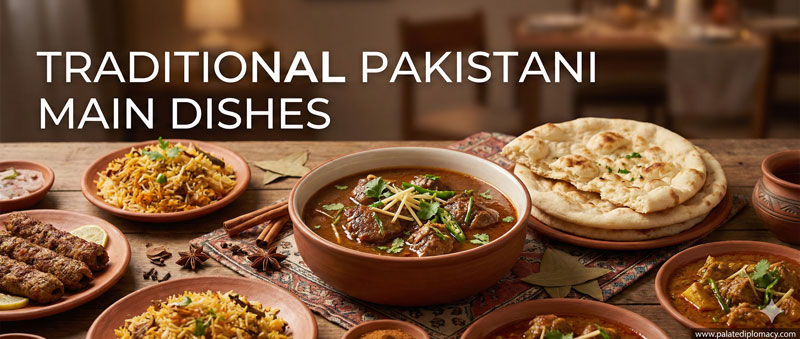
Karahi is named after the deep, wide pan called a karahi. The dish centers on a bright, tomato-rich sauce. It blends onions, garlic, ginger, and green chilies with tender meat. Common options include lamb, chicken, beef, or goat. The finish often includes fresh cilantro and a squeeze of lemon. The cooking style is quick and high-heat, designed to lock in flavor and keep the texture lively. In any version, karahi offers a vibrant, communal eating experience.
The Cultural Palette of Karahi
Karahi is more than flavor; it is a moment of togetherness. In markets, cafés, and home kitchens, the dish signals hospitality. A hot karahi draws people toward the table, where conversation flows as freely as the steam. The aroma travels through streets, inviting onlookers to imagine the shared meals that nourish daily life. The practice of serving karahi emphasizes generosity and presence. In short, karahi is a cornerstone of everyday culinary culture.
How Locals Enjoy Karahi
To enjoy karahi Like a local, start with the aroma. Then watch the sizzle as spices meet tomato. Next, use bread to scoop the tender meat and sauce. Break the crust of the sauce with a gentle stir, and savor the way the flavors cling to the bread. If the heat feels strong, request a milder level or add a touch of yogurt on the side. For many, karahi is best enjoyed slowly, with friends or family, letting conversation accompany each bite. Finally, finish with a bright herb note from cilantro and a squeeze of lime, if offered.
Regional Expressions of Karahi
Regional tastes shape karahi in delightful ways. In Punjab, the dish often presents bold, robust flavors with a satisfying balance of tomato and spice. In Sindh and nearby regions, you may notice a touch of tang from local ingredients and a lighter, brighter finish. Each area adds its own character while preserving the core joy of a sizzling karahi. Regardless of style, the dish remains a celebration of fresh ingredients, skillful heat, and shared tables.
Pairings and Complements
Bread is the perfect partner for karahi. Naan, paratha, or tandoori roti provide the ideal scoop. A cooling side of yogurt or raita can balance heat. Fresh onion slices and lime wedges are welcome at the table. chutneys or mint yogurt dips offer bright contrasts. These accompaniments enhance texture, aroma, and balance, making the meal complete.
Techniques and Aesthetics of Serving
A karahi carries an aesthetic of vivid color and steam. Serve it straight from the iron pan onto the table for a dramatic, communal effect. Keep the meat tender and juicy by stirring gently and avoiding overcooking. Garnish with cilantro for a final touch of brightness. The presentation itself invites sharing and discussion, echoing the social value of the dish.
Sourcing and Freshness
Choose meat and produce that look fresh and glossy. Ripe tomatoes, crisp onions, and bright peppers contribute to the sauce’s brightness. Fresh garlic and ginger add warmth and depth. When possible, select cuts with good marbling to ensure tenderness. Local markets often highlight seasonal ingredients, which deepen the dish’s character.
Etiquette of the Table
Share karahi with generosity. In many settings, guests help themselves with bread, passing the dish around the table. A polite pace encourages everyone to enjoy the meal fully. If dining with others, consider offering the last rim of sauce to a guest, a small gesture of hospitality. Above all, savor the experience and the company.
A Personal Invitation to Try
Karahi offers A Window into everyday Food Culture. It invites curiosity, warmth, and appreciation for skilled cooking. If you seek a vivid, respectful encounter with regional flavors, karahi welcomes you with open arms. Enjoy the aroma, the texture, and the joy of shared dining. This is where flavor becomes culture, and a simple plate becomes a memory.