
A Complete Guide to Enjoying Haleem Like a Local
What Haleem Means in Local Kitchens
Haleem is more than food. It is a warm, fragrant invitation to gather. In homes and street stalls alike, the aroma signals care and patience. Families share stories as the pot simmers. Neighbors come with an extra squeeze of lemon or a handful of fresh cilantro. In short, haleem turns ordinary meals into a small festival of taste and togetherness.
The Core of the Dish: Ingredients and Craft
The heart of haleem is simple: grains, lentils, and tender meat, slow-cooked until they melt together. Common elements include barley or cracked wheat, wheat flour, and several lentil varieties. Meat—usually lamb or chicken—or a mix of both adds depth. Spices bring warmth: cumin, coriander, garam masala, turmeric, and a touch of red chili. Ginger and garlic add brightness. Salt, a hint of saffron or rosewater, and a splash of ghee finish the flavor. The texture is creamy and thick, with tiny bites of meat and a silky grain base. The long simmer is not just technique; it is a sign of care and devotion to flavor.
Regional Flavors: Awadhi, Hyderabadi, and Beyond
Haleem travels well, and regional kitchens shape it in distinct ways. Awadhi-style haleem is known for a very smooth, almost pudding-like texture. Hyderabadi haleem tends to be richer, with bold spice balance and sometimes a deeper meat presence. Other regions tailor the chili heat, the legume mix, and the finishing touches to local palates. Across these varieties, the core idea remains the same: a slowly perfected blend that invites you to slow down and savor.
Serving the Dish: Etiquette and Moments
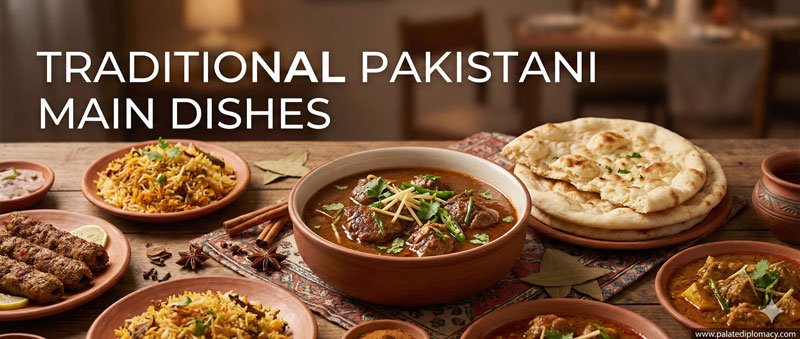
Haleem shines when served hot, in shallow bowls. A crown of fried onions adds crunch and sweetness. A squeeze of lemon brightens the dish, while chopped cilantro or mint brings fresh contrast. A small dish of chili paste or green chutney adds heat for those who crave it. A spoonful of ginger slivers can wake up the palate. Pair haleem with warm flatbreads like naan or paratha, or with a soft chapati. The serving ritual—sharing the pot, breaking bread together, savoring spoonfuls with friends and family—heightens the experience.
Seasonal Comfort: Haleem in Winters and Festive Evenings
Haleem is a season of flavor. It rises to the occasion during cooler months and at festive gatherings. The slow-cooked warmth feels restorative as the air turns crisp. In markets and kitchens, its aroma drifts through rooms, inviting people to pause and savor. The dish also marks special moments when friends come together, plates are passed around, and everyone adds their own finishing touch. In these moments, haleem becomes part of the memory of the season.
Savoring Beyond the Bowl: Pairings and Aromas
Beyond the bowl, haleem offers a sensory story. The aroma blends roasted notes with comforting spice. The textures—creamy, tender, slightly chewy—create a satisfying contrast. Lemon zest or juice brightens the richness. Fresh herbs lift the dish, while fried onions provide a sweet crunch. A dollop of ghee adds a silky finish. These details let you experience haleem as a living moment in a shared meal, not just as a recipe.
At Home: Bringing Local Haleem into Your Kitchen
If you want the local experience at home, start with good ingredients. Choose fresh barley or the best quality lentils you can find. Select meat with good flavor and fat for depth. Use a balanced blend of spices. Slow cooking is the key. A gentle simmer for several hours helps the grains break down and the meat become tender. If time is shorter, a modern slow cooker or pressure cooker can help, but keep an eye on texture to maintain the creamy character. Finish with a fresh garnish and a squeeze of lemon to brighten the dish. The result should feel like a warm welcome—straight from your stove to the table.
The Language of Haleem: Aroma, Texture, and Memory
Haleem speaks through scent and texture as much as taste. The aroma blends roasted, nutty, and spicy notes. The texture invites a quiet, mindful bite, where every mouthful reveals a new layer. In this way, haleem becomes more than a dish. It is a shared language of hospitality, patience, and care. Locals greet friends with a bowl, and each person adds their own moment of brightness with a squeeze of lemon or a sprinkle of herbs. The experience travels with you in memory, long after the last bite.
A Final Thought: Welcome to Local Flavor
Enjoying haleem like a local means embracing patience, warmth, and community. It is the result of careful preparation, regional variation, and a spirit of sharing. Whether you encounter it in a busy market, a family kitchen, or a quiet dining room,haleem invites you to slow down and savor the moment. The dish celebrates flavor and connection, two cornerstones of Food Culture that bring people together—one comforting spoonful at a time.