
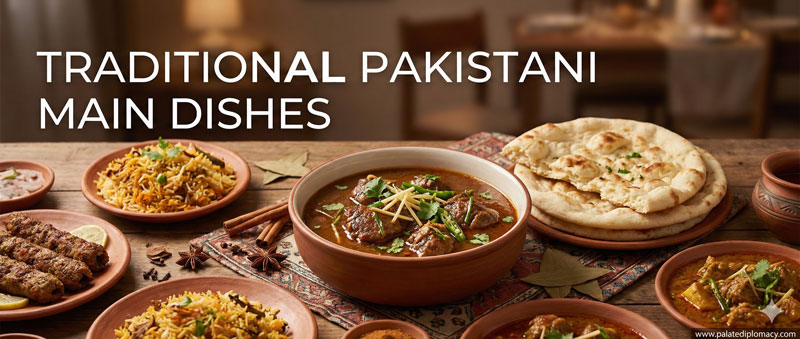
The Story Behind Nihari
Nihari is a Beloved Dish that speaks softly of home and gathering. It appears in kitchens and on busy street stalls, where the air fills with warm, inviting aromas. This slow-cooked stew brings people together, inviting smiles and long conversations. The dish carries a sense of tradition, as families pass down their favorite tweaks and memories with each pot.
In its heart, Nihari is more than meat in a sauce. It is a ritual of patience, care, and shared meals. The choice of meat, the bones, and the spices come together to tell a gentle, flavorful story. Each pot becomes a small celebration of everyday life, a reminder that good food can be a quiet, powerful thread that connects generations.
The Soul of the Dish: What Makes Nihari Special
Nihari centers on richness, depth, and balance. The base often features beef or lamb, sometimes with bone marrow for a velvet texture. The gravy deepens as spices mingle slowly, releasing warmth and character. A thoughtful blend of ginger, garlic, pepper, and an aromatic spice mix gives the dish its signature glow.
The texture is a highlight. Meat shreds softly as it melts into the gravy, while the marrow adds a creamy richness that coats each bite. The finish comes alive with fresh garnishes: chopped onions, cilantro, lemon wedges, and sliced green chilies. A sprinkle of fried onions adds a sweet crunch that lingers on the palate. Together, these elements create a harmony that is both robust and comforting.
From the first spoonful, you feel the care that went into the dish. The spices are not loud; they invite you to savor. The result is a sauce that clings to the meat and clings to memory, inviting quiet appreciation and slow enjoyment. Nihari invites you to pause, breathe in the aroma, and settle into the moment.
The Cooking Craft: A Patient Art
The magic of Nihari lies in its slow simmer. It is a craft that rewards time and attention. The pot stays gently on the burner, letting flavors mingle and mellow. This is not a dish to rush. Instead, it asks for steady heat, careful stirring, and a watchful eye on the texture and balance of spices.
Cooks choose a spice blend that feels right for their kitchen. Garam masala, cumin, coriander, fennel, and other warm notes travel through the gravy as it thickens. Each layer adds depth, so the sauce becomes silky and rich without losing brightness. The technique honors tradition while inviting personal touch, whether through the choice of meat, the level of heat, or the final garnishes.
A good Nihari carries a sense of aroma before the first taste. When the lid lifts, steam swirls into the room, carrying notes of ginger, pepper, and a hint of citrus. This fragrance announces a meal that is both grand and intimate, fit for a family table or a festive gathering with neighbors and friends.
The Table and the Taste: Serving Traditions
Nihari is best enjoyed with warm, fresh naan or flatbread that can scoop up every drop of sauce. The bread acts as a inviting vehicle for meat and gravy, turning each bite into a small ceremony. People add bright touches to personalize the dish: a squeeze of lemon, a handful of chopped cilantro, crisp fried onions, and a sliver of ginger.
The act of serving Nihari becomes a social moment. In many homes and eateries, the dish arrives at the table with generous portions, inviting conversation and admiration for the care behind each pot. The garnishes are not mere decoration; they complete the experience—adding brightness, texture, and contrast that wake the senses and enhance the warmth of the meal.
Regional Voices: Variations Across Places
Across regions, cooks adapt Nihari to reflect local tastes and seasons. Some kitchens favor a deeper, bolder spice profile, while others lean toward a milder, more aromatic balance. The choice of heat, the thickness of the gravy, and the emphasis on certain spices can shift from one kitchen to the next, creating a family of versions that share a common heart.
There are noted variations that enthusiasts recognize. One version may showcase a creamier texture with a touch more marrow, while another might focus on a leaner meat cut and a brighter spice edge. Some cooks experiment with white nihari, using a lighter base and fewer strong spices, highlighting the meat’s natural flavors. Each rendition honors the same core idea: a slow, lovingly crafted dish that celebrates richness, nourishment, and companionship.
Modern Takes: Nihari in Today’s Kitchens
Modern kitchens bring Nihari into new possibilities without losing its essence. Home cooks use versatile tools to achieve that gentle, long-simmered texture. Slow cookers and thoughtful stovetop methods can replicate the tenderness that defines the dish. Yet the spirit remains the same: a pot shared among family and friends, a moment of warmth that travels from stove to table.
In contemporary restaurants, Nihari often blends tradition with playful innovation. Some chefs adjust spice balances or introduce brighter citrus notes to wake the palate. Others pair Nihari with inventive breads or fresh toppings that add texture and color. Regardless of the setting, the dish invites a mindful, appreciative approach to food—one that values patience, craft, and the pleasure of gathering.
A Cultural Moment: Nihari as a Practice of Hospitality
Nihari embodies hospitality and care. The act of preparing a pot for others is a sign of welcome, a way to say, “You are invited to Enjoy this moment.” Families pass down small rituals—how the meat is trimmed, how the gravy thickens, how the garnishes are arranged—so the dish carries a familiar scent and comforting familiarity.
The table becomes a space for quiet conversation and shared laughter. In these moments, the dish acts as a bridge between generations and friends. The beauty of Nihari lies not only in its flavor but also in its ability to bring people into a shared story—one where every bite echoes memory, warmth, and gratitude.
Concluding Thoughts: A Dish Worth Knowing
Nihari stands out for its balanced richness and its role in daily life and celebrations alike. It is a dish that invites curiosity and respect: curiosity about the spice blend, the cooking tempo, and the care that goes into every pot; respect for the cooks who shape it and the people who welcome it to their table.
If you encounter Nihari, take a moment to notice the scent, the color, and the texture. Observe how the meat falls away and how the gravy coats the bread. Appreciate the quiet power of a dish that has lived in kitchens and stalls for generations, a testament to the craft of slow cooking and the joy of sharing.
The Story Behind Nihari, a Pakistani food favorite, is a celebration of culture expressed through flavor. It invites us to slow down, savor the moment, and honor the simple yet powerful act of feeding and being fed. In that moment, Nihari becomes more than a meal; it becomes a living tradition, a warm thread that weaves people together around a table.