
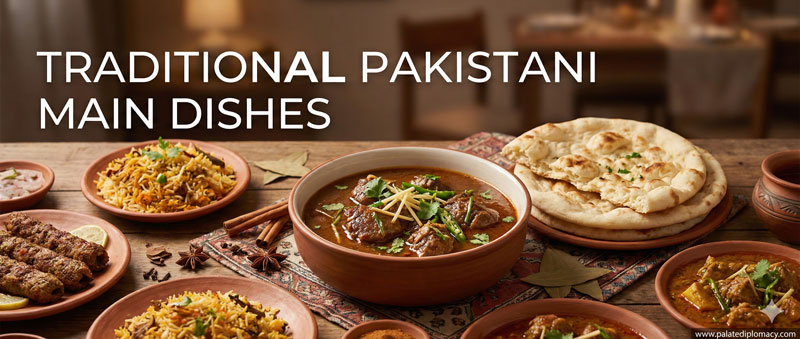
The Heartbeat of Family Tables
Karahi is more than a dish; it is a living thread in Pakistan’s Food Culture. When the pan heats and tomatoes hiss, a scent rises that feels like welcome. Families gather around the kitchen or a street stall, plates in hand, smiles ready. Karahi celebrates togetherness: the joy of sharing a pot that holds warmth, stories, and a bright, glossy sauce. It is a dish that invites conversation as much as it invites the palate. In every bite, you taste care, craft, and a daily ritual that makes ordinary meals feel special.
The Pot, The Pan, The Skill
Karahi gets its name from the cooking vessel itself—a wide, round, deep wok with tall, curved sides. This design concentrates heat and keeps sauce close to the meat, allowing flavors to mingle quickly. Chefs move with a confident rhythm, pouring spices, then tomatoes, then a splash of oil as if conducting a small symphony. The pot’s openness helps release aroma, while the sides trap steam and concentrate the fragrance. The result is a balance of brisk wok-fry and slow, forgiving simmer—fast enough to lock in warmth, gentle enough to yield a velvety glaze.
Core Ingredients and Flavor
At the heart of karahi, the meat—chicken, mutton, or beef—gets seared, then tenderized in a bright, tomato-forward sauce. The base begins with fresh garlic and ginger, adding a zing that wakes every other flavor. Green chilies give a lively heat, tuned to tradition or personal preference. The tomato sauce is a bright, glossy partner that thickens as it simmers, bringing a gentle tang that brightens the meat’s richness. Common spices include cumin, coriander, and a touch of chili powder, with garam masala adding a final, fragrant note. A drizzle of oil or ghee carries the spices and keeps the sauce luminous. Fresh cilantro or chopped coriander leaves finish the dish, lending a peppery-green contrast that hints at the dish’s herbal side. The result is a dish that feels bold, yet balanced, with a clean finish that invites another bite.
The Techniques That Define Karahi
The magic of karahi lies in technique as much as in ingredients. The cook starts with a hot pan, searing the meat to seal flavor. Then comes the spice bloom—garlic, ginger, and chili sautéed until fragrant. Next, the tomatoes join the scene, turning to a thick, glossy sauce. The sauce reduces, releasing oil that glistens on top and signals the balance of fat, tomatoes, and spice. Stirring remains steady but purposeful, avoiding burn while coaxing every layer of flavor forward. High heat early, then controlled simmer later, preserves brightness in the tomato and keeps the meat tender. The final minute brings a fresh scatter of cilantro and a squeeze of lemon or lime in some homes, brightening the finish and inviting the table to feast.
Regional Voices and Styles
In Pakistan, regional fingerprints shape karahi, while the core spirit stays constant: a shared, hearty plate that honors spice and technique. Punjab’s influence shows in robust heat and a deeper, meat-forward note with a generous sauce. Karachi often presents a balanced, tomato-bright profile, sometimes with a touch more tang and a crisp finish from careful reduction. In other regions, cooks may introduce local herbs or a hint of roasted spice. Yet across voices, the dish remains a common language—one that signals hospitality, skill, and a love of community dining. The flexibility to adapt to what’s fresh at the market—ripe tomatoes, fragrant garlic, peppers—adds to karahi’s daily charm.
Serving Rituals and Pairings
Karahi shines when served hot, with bread close at hand. Fresh naan or soft roti helps gather the sauce into a satisfying bite. A crisp onion salad, thin lemon wedges, and a bright green chutney often accompany the dish, offering contrasting textures and a lift of brightness. In many households, karahi appears as the centerpiece of a meal that also features lentils, yogurt-based raita, or cucumber salads, all designed to complement its bold flavors. The ritual of breaking bread, spooning the glossy sauce, and sharing stories is as important as the technique itself. The dish invites conversation, gratitude, and a sense of welcome that extends beyond the table.
A Culinary Language of Hospitality
Karahi speaks a language of hospitality that travels through kitchens and markets. Its preparation is a sign of care, a signal that guests are valued, and meals are a space for connection. The bright aroma, the glisten of oil on the sauce, and the sight of steam rising from the pan create anticipation. People speak in the pauses between bites, appreciating the balance of heat and sweetness, the crisp edge of tomato, and the depth of the meat. The dish teaches patience and precision—two qualities that elevate everyday cooking into a shared experience. In that sense, karahi is a living celebration of food-centered rituals that keep family traditions alive.
Craft, Craftsmanship, and Culture
The craft of karahi blends technique with daily life. Cooks learn to judge heat by scent and sound, to adjust spices by color and aroma, and to time the reduction so the sauce clings to the meat without becoming heavy. This craft is passed from parent to child, from mentor to apprentice, in markets, homes, and cooking classes. Each chef brings a personal touch while honoring a larger tradition of thoughtful seasoning and generous portions. The dish rewards careful hands and a calm pace, turning a simple skillet into a vessel of memory and belonging.
The Cultural Value in Everyday Life
Karahi carries cultural value by turning ordinary meals into meaningful rituals. It invites sharing, conversation, and the pleasure of a well-made sauce that sings of fresh ingredients and respectful technique. The dish is versatile enough to adapt to different occasions—from a quick weeknight dinner to a festive gathering—yet consistent enough to feel familiar and comforting. This blend of reliability and excitement makes karahi a beloved fixture in homes and food stalls alike. It also offers A Window into regional cooking styles, seasonal markets, and the everyday creativity of cooks who work with what they have, always aiming for a peak moment of flavor.
A Simple, Sincere Invitation to Taste
If you wish to experience the beauty of karahi, start with a single, well-made version: choose fresh ingredients, respect the heat, and let the sauce reduce to a glossy finish. Serve with warm bread, garnish with herbs, and savor the balance of meat, tomato, and spice. The dish rewards patience and invites you to linger over aroma and texture. In doing so, you celebrate not just a recipe, but a shared culture of hospitality, skill, and the joy of a well-tasted meal.
The Enduring Allure of Karahi
Karahi remains a beloved emblem of Pakistan’s culinary landscape. Its appeal lies in its simplicity, its bold yet harmonious flavors, and its ability to bring people together around a single, comforting pan. It is a dish that honors farmers’ markets, home kitchens, and street stalls alike. When the pot hums on the flame and sauce shines with oil, we see how food becomes memory, and memory becomes culture. In karahi, flavor and fellowship meet in a warm, inviting way that invites everyone to partake in a shared moment of taste and togetherness.