
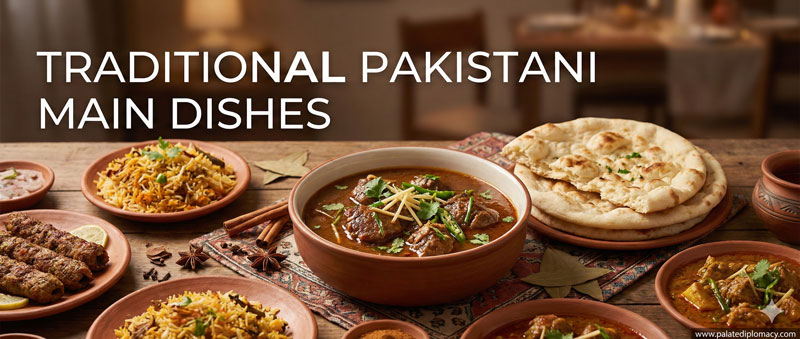
Introduction: How Korma Reflects Pakistani Food Culture
Korma is a celebrated dish in Pakistani kitchens. It speaks of hospitality, balance, and a love for fragrant, comforting foods. The dish blends tender meat with a creamy, gently spiced sauce. It invites sharing and conversation around the table. In every bite, we sense care, memory, and a touch of elegance. This is not just a recipe; it is a portrait of everyday life and festive moments alike. Through korma, we glimpse how flavor, texture, and aroma come together in Pakistani Food Culture.
Core Elements of Korma: Ingredients and Technique
The essence of korma lies in its core components and the way they come together. First, the foundation is a tender cut of meat or a vegetarian option simmered until soft. Next, a sauce enriches the dish with yogurt or cream, ground nuts, and a careful blend of spices. The nuts—often almonds or cashews—add depth and a subtle nutty sweetness. Aromatics include ginger, garlic, and onion to give warmth and brightness. Finally, ghee or oil carries the spices and helps the sauce cling to every piece of meat.
In practice, cooks marinate briefly or season the meat directly. Then they brown it gently, build a sauce with yogurt, ground nuts, and spices, and let everything simmer slowly. The result is a silky gravy that coats each piece with a luxurious sheen. This process highlights patience and attention to texture, two hallmarks of Pakistani cooking.
Texture and Technique: A Gentle Simmer
Texture guides the journey of korma. A slow simmer gives tenderness to the meat and a luscious, clingy sauce. The nuts contribute body, while dairy lightens and rounds the spice aroma. The technique rewards balance: too much heat or too little moisture changes the coating and mouthfeel. Therefore, cooks watch closely, tasting and adjusting to keep the sauce smooth and the meat yielding.
Cooks often complete korma with a final flourish. A sprinkle of fried onions or chopped coriander adds sweetness and brightness. A light squeeze of lemon or a dash of saffron can lift the perfume without overpowering the dish. This careful finishing touch emphasizes finesse and respect for each ingredient.
Spice Symphony: Aromatics That Define the Dish
Spices in korma work Like a chorus, each voice contributing to the harmony. Cardamom and cinnamon lend aromatic sweetness, while cloves and bay leaf offer warmth. Cumin and coriander bring earthiness and a gentle bite. Ginger and garlic add zing and brightness, keeping the sauce lively. Nutmeg or green chili for a touch of brightness may appear in some family versions. Finally, saffron or a saffron-like color from spices can elevate the gravy’s aroma and color.
Yogurt or cream creates a tangy, creamy canvas that balances the spices. Ground nuts add richness and a subtle nutty aftertaste. The careful balance of dairy, nuts, and spices helps the dish feel luxurious yet approachable. The spice mix in korma reflects a tradition of layering flavors with precision and care.
Social Rituals and Hospitality: Food as Connection
Korma shines in social settings. Families share a meal around a spread of breads like naan or paratha. The dish appears during everyday dinners and special occasions alike. Hosting with korma expresses warmth and welcome. It invites guests to linger, talk, and enjoy fragrance that fills the room.
Serving korma often involves a thoughtful pairing. The creamy sauce pairs well with light breads that scoop up every bit. Fresh herbs, a squeeze of lemon, and a simple salad balance the richness. In this way, the dish helps create a gentle rhythm of conversation, gratitude, and togetherness.
Regional Expressions Across Pakistan
Across Pakistan, cooks adapt korma to local ingredients and tastes. In some regions, the sauce grows creamier with generous nuts and yogurt. Other areas favor a lighter touch, letting the spices sing through a thinner gravy. Regional garnishes vary too: coriander leaves, fried onions, or slivers of almonds bring different textures and colors.
These variations show how korma travels from kitchen to kitchen, absorbing local sensibilities while keeping its soul intact. The dish remains familiar enough to be comforting, yet flexible enough to feel new with each regional twist. This adaptability exemplifies Pakistani culinary creativity and the ways communities celebrate flavor.
Enduring Beauty: The Cultural Value of Korma
Korma stands as a bright example of Pakistani food culture. It teaches balance—between richness and lightness, between aroma and clarity of taste. It honors technique—measured simmering, careful ingredient preparation, and respectful finishing. It honors sharing—meals that bring people together and encourage conversation.
Moreover, korma celebrates ingredients that are cherished in many homes: dairy richness, nuts, and fresh aromatics. It honors hospitality by inviting guests to Enjoy a dish that is both comforting and refined. In this way, korma is more than a dish; it is a living tradition that reflects warmth, care, and the beauty of everyday cooking in Pakistan.