
Why Travelers Are Falling in Love with Nihari
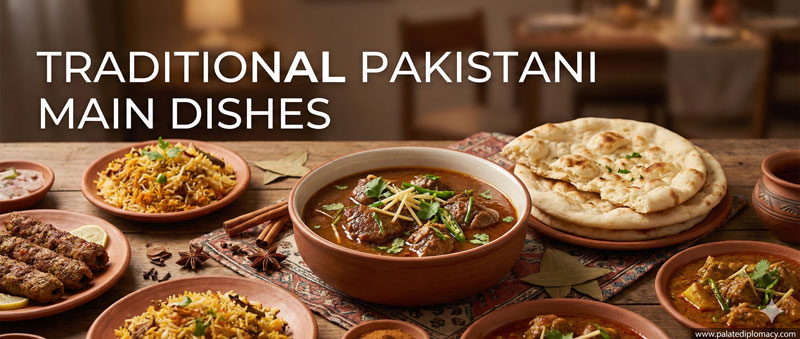
Travelers seek dishes that tell a place’s story. Nihari does this with warmth and patience. It arrives in a bowl before dawn and invites curious palates to listen. The dish speaks through slow cooking, fragrant spice blends, and a generous cut of meat. Its depth feels generous yet refined. As travelers taste it, they discover a ritual baked into the morning hours. The experience blends aroma, texture, and companionship, creating a memory that travels with them long after the meal.
Slow Craft: The Heart of Nihari
Nihari is a study in patience and technique. Chefs begin with sturdy cuts of meat and long, gentle simmering. The broth thickens as hours pass, developing a velvety coat of spice and marrow. This slow craft rewards careful attention rather than speed. Every simmering cycle adds nuance. The result is a dish that feels both rustic and refined. Travelers taste the time spent in the pot, and that sense of care resonates with them. In each spoonful, the craft reveals itself quietly.
A Symphony of Aromas
The aroma of Nihari draws people in before the first bite. Spices like fennel, cardamom, cloves, coriander, and chili mingle with the meat’s own scent. A hint of ginger and garam masala adds brightness. The steam carries a promise of comfort and nourishment. When the lid lifts, the fragrance invites conversation and camaraderie. Travelers often describe the moment as a welcoming cue. It signals: you are in a place that values tradition and craft, and you are about to savor something special.
Cultural Significance: Hospitality on a Plate
Nihari sits at the heart of shared meals. It is a dish often enjoyed with family and friends, early in the day or for special gatherings. The act of serving Nihari becomes a moment of generosity. Hosts welcome guests with a steaming bowl and a bowl of fresh naan. The ritual of breaking bread, dipping, and tasting together creates a sense of belonging. For travelers, this hospitality echoes in every bite. The dish becomes more than food; it becomes a doorway to local warmth and everyday kindness.
Texture, Balance, and Bite
A successful Nihari balances richness with brightness. The meat remains tender, yet it holds its shape. The gravy is thick and silky, clinging to each morsel. Hidden layers of spice wake the palate without overpowering it. It is a harmony of depth and clarity. Travelers report a comforting, almost meditative eating experience. The balance invites slow savoring, which makes the meal feel Like a quiet conversation with the chef’s skill and the region’s ingredients.
Pairings and Traditions
Nihari shines with simple accompaniments. Fresh naan or serving breads help scoop up the hearty gravy. Onions, lime wedges, and chopped green chilies brighten the dish with a crisp, fresh contrast. A squeeze of lemon or a touch of ginger can lift the flavor, depending on the cook’s style. These pairings are not afterthoughts; they are part of the practice. Travelers often mimic local rituals, learning to layer flavors as the locals do. The result is a more complete, satisfying experience.
Traveler Moments: Markets, Mornings, and Memory
In markets and busy streets, Nihari becomes a morning ritual. The stall hums with motion as cooks prepare fresh portions for the day. Scented steam swirls through the air, and the rhythm of the crowd adds to the atmosphere. Travelers pause, order a bowl, and watch the ritual unfold. The dish becomes a passport to place, a memory of an early morning walk, a shared table, and a moment of quiet appreciation amid travel’s hustle. These moments often spark conversations about how food carries place in memory.
Finding Nihari Beyond Its City
Nihari travels well because its core is universal: patience, flavor, and generosity. In many cities worldwide, you can find a version that honors the same principles. Look for a cook who emphasizes slow simmering, a rich, glossy gravy, and a bright finish with fresh accompaniments. When you taste Nihari, you taste a culture’s method for building flavor and a community’s habit of welcoming guests. It is not just a dish; it is an invitation to explore a culinary world.
Final Thoughts
Nihari invites travelers to slow down and listen to a kitchen’s quiet story. Its cultural value rests in its ability to unite technique, aroma, and hospitality. The dish stands as a celebration of tradition and craft, shared in a warm bowl with friends, strangers, and locals alike. For those wandering with open tastes, Nihari offers a memorable, respectful, and delicious entry into a rich Food Culture. In every bite, travelers find a reminder that good food honors both the cook and the moment.