
How Chaat Became Popular in Pakistani Cuisine
Chaat has long held a bright spot on the table in Pakistani households and markets. It is more than a snack; it is a celebration of color, texture, and balance. In Pakistan, chaat spread through streets, markets, and family kitchens. It found a home where cooks loved Bold Flavors and quick, joyful meals. The journey is not tied to one city. It travels from bustling bazaars to modern eateries, adapting with ease. First, cooks mixed crisp fried elements with fresh ingredients. Then they layered yogurt, chutneys, and spices. Finally, they introduced a playful finish with sev and herbs. The result is a dish that invites sharing, tasting, and storytelling. This is how chaat Became Popular in Pakistani cuisine: through accessible ingredients, flexible recipes, and a spirit of hospitality.
The Flavor Play: Texture and Taste
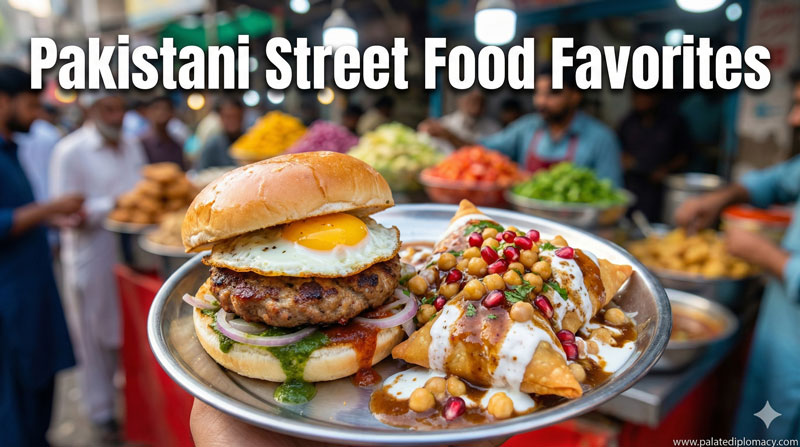
Chaat delights the senses. The first sensation is crunch. Crisp sev, papdi, and fried potatoes provide a lively start. Then comes the cool creaminess of yogurt. It softens sharp flavors and adds balance. The next layer is brightness: tamarind and mint chutneys offer sweet-sour and herbal notes. A pinch of chaat masala adds a whisper of cumin, lime, and coriander seeds. Fresh onions, coriander leaves, and pomegranate seeds speckle the plate with color. The combination is dynamic but harmonious. Because each element plays a role, you can hear a chorus of textures in every bite. In simple terms, chaat is a careful balance of contrasting textures and tuned flavors. That balance is the heart of its culinary significance in Pakistani cuisine.
Cultural Value: Hospitality and Sharing
Hospitality shines in chaat. Vendors prepare it in view of customers, inviting conversation. Families prepare it to mark festivities, weekend gatherings, or casual evenings. Sharing a bowl of chaat creates a moment of connection. It is a dish that travels well on a lazy afternoon and at cheerful street corners. The act of serving chaat demonstrates care: a friend may add extra chutney for a guest. In homes, the same recipe evolves with season and pantry. This adaptability makes chaat a living tradition that travels across kitchens and markets. It also serves as a bridge between generations, where older cooks teach technique while younger ones introduce new toppings. In this way, chaat sustains taste memory and social bonds in Pakistani cuisine.
Regional Voices: Variations Across Pakistan
Cities shape chaat’s personality. In coastal Karachi, vendors favor tangy tamarind and chickpeas, with a lid of yogurt and bright coriander. In Lahore, a generous yogurt drizzle and herbs give a creamy base that balances spicy chutneys. In smaller towns, cooks experiment with seasonal fruits like pomegranate or mango in the chutneys. Local spices tailor the heat and aroma. Street stalls adapt to daily rhythms and crowds. Yet the core remains: a playful, customizable snack that gathers people around a shared plate. Regional twists expand the recipe’s language without losing its heart. This regional diversity is a gift to Pakistani cuisine.
Techniques and Ingredients That Define Chaat
Key components include: crisp bases (sev, papdi, or fried potatoes); fresh vegetables (onion, tomato, cucumber); yogurt; chutneys (tamarind and mint); chaat masala; coriander and sev garnish. The base is flexible; you can use puri or papdi to anchor the toppings. Chutneys provide sweet, sour, and spicy notes. Yogurt adds creaminess and coolness. The masala lifts the dish with lemony, peppery hints. Garnishes add color and aroma. Assembly matters: a quick toss keeps flavors balanced; a careful drizzle prevents sogginess; a final sprinkle adds crunch and aroma. This technical fluency is what makes chaat resilient and beloved in Pakistani kitchens.
From Street Corner to Home Table
Chaat travels well from market stalls to family kitchens. In the street, the plate is a moment of social energy. Friends meet, families chat, and children watch as toppings are added. At home, cooks replicate the same balance with personal touches. They adjust heat, sweetness, and texture depending on the season and company. The dish lends itself to experimentation, while still honoring tradition. This mobility supports the dish’s enduring popularity in Pakistani cuisine. It is a culinary ritual that fits both quick snacks and festive spreads.
Looking Ahead: The Enduring Appeal of Chaat in Pakistani Cuisine
Chaat continues to evolve with fresh ingredients and inventive toppings. Yet its essence remains simple and welcoming. It invites people to taste together, celebrate color, and savor balance. As cooks refine techniques, the dish stays anchored in hospitality and shared joy. The Story of chaat in Pakistani cuisine is ongoing, with every vendor, kitchen, and family adding a line to the tradition. The result is a dish that feels both timeless and modern, rooted in local markets and bright with possibility.