
Introduction
“How Chaat Reflects Pakistani Food Culture” invites you to taste more than a snack. It offers a window into daily life, shared moments, and the gentle artistry of flavor. Chaat, in its many forms, speaks to hospitality, craft, and the joy of gathering around a table or a street corner. This post explores how the dish carries cultural value and culinary significance in Pakistan, through its ingredients, technique, and the moments it creates.
What is Chaat?
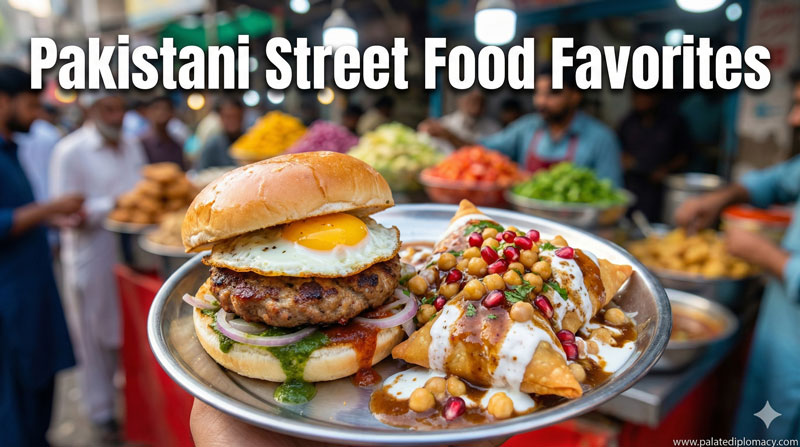
Chaat is a family of savory snacks built from a few flexible ideas. Crispy elements such as papdi or sev provide the crunch. Soft bits like boiled potatoes and chickpeas bring heartiness. Yogurt adds creaminess, while two chutneys—tamarind and mint—deliver tang and brightness. A pinch of chaat masala adds a comforting aroma and a hint of spice. The beauty of chaat lies in its layers: each bite blends textures and tastes in a lively, balanced way.
The Language of Flavor: Balance and Ingredients
The essence of chaat is balance. Sweet, sour, salty, and spicy notes mingle in harmony. Tangy tamarind chutney adds depth and a touch of sweetness. Mint chutney brings a fresh, peppery brightness. Yogurt cools and rounds the heat, softening the bite of chili. Chaat masala introduces a familiar, inviting aroma that signals comfort and tradition. Together, these elements Create a flavor map that invites you to taste slowly, then come back for another bite. The way flavors meet in chaat mirrors a cultural love of balance, generosity, and shared pleasure.
The Social Heart: Hospitality on a Plate
Chaat thrives where people gather. Vendors call out to passersby, inviting everyone to try a bright, comforting bite. at Home, chaat appears on small plates during family meals, casual gatherings, or festive moments. Sharing a plate becomes a moment of connection: friends compare chutneys, siblings trade tips on spice levels, and neighbors exchange favorite toppings. In this way, chaat acts as a social glue, turning a simple snack into a welcoming ritual that welcomes others to join in the moment.
Regional Voices in Chaat
Across Pakistan, chaat adapts to local produce and tastes while keeping its core idea intact. Each region brings its own touches, from the choice of herbs to the balance of chutneys. Yet the spirit remains the same: a quick, joyful dish that celebrates freshness, seasonality, and the skill of turning everyday ingredients into something bright and shareable. The result is a family of snacks that feels both universal and distinctly local, a culinary voice that speaks to home, street life, and communal eating.
The Home Kitchen: Making Chaat
Chaat is approachable in the home kitchen, yet it rewards careful assembly. Start with a few sturdy staples: boiled potatoes, chickpeas, crispy papdi or crushed crackers, yogurt, and two chutneys. Add chopped cilantro, a squeeze of lemon, and a dusting of chaat masala. When assembling, layer components to build texture: crisp base, soft fillings, tangy sauces, and a final crunch of sev. Finish with a fresh herb and a final drizzle of chutney. The method is simple, but the result feels thoughtful and festive. This accessibility helps chaat travel from busy markets to family kitchens with ease.
A Dish for Festivals and Daily Life
Chaat shines in both everyday moments and special occasions. It fits a quick, flavorful snack after a long day, and it also graces tables during gatherings, celebrations, or seasonal markets. The versatility of chaat—its ability to be bright and comforting at once—mirrors how food functions in daily life: it sustains, delights, and invites people to slow down and share. In this sense, chaat becomes a cultural touchstone, signaling warmth, welcome, and a love of good taste.
Craft and Technique: The Art Behind the Flavor
Beyond ingredients, chaat is about assembly and balance. The technique is approachable, yet it rewards attention. Vendors and home cooks adjust chutney amounts to taste, ensuring the tangy flavors neither overpower nor fade. The final touch of sev or fresh herbs adds a delicate crunch and color. This craft reflects a broader cultural appreciation for mise en place, order, and rhythm in cooking. The result is a dish that feels intentional, cozy, and rooted in care.
The Sensory Experience
A great plate of chaat engages all senses. The sight of bright chutneys and gold sev invites you to begin. The aroma of spices signals warmth and hospitality. The first bite offers a lively mix of textures, followed by a chorus of flavors: tangy, creamy, spicy, and savory. This sensory journey mirrors how people experience food in daily life: with curiosity, generosity, and a sense of discovery. Chaat invites you to slow down just long enough to savor the moment with others.
Conclusion
Chaat, in its many peppery, creamy, crunchy forms, reflects Pakistani food culture through its emphasis on balance, hospitality, and communal enjoyment. It is both a quick daily pleasure and a small celebration, capable of turning a simple table into a moment of connection. By embracing the textures, flavors, and social rituals of chaat, we glimpse a culinary world that honors fresh ingredients, shared meals, and the joy of gathering. In this way, chaat stands as a warm, welcoming emblem of food culture—an invitation to taste, share, and celebrate together.