
The Story Behind Bun Kebab, a Pakistani Food Favorite
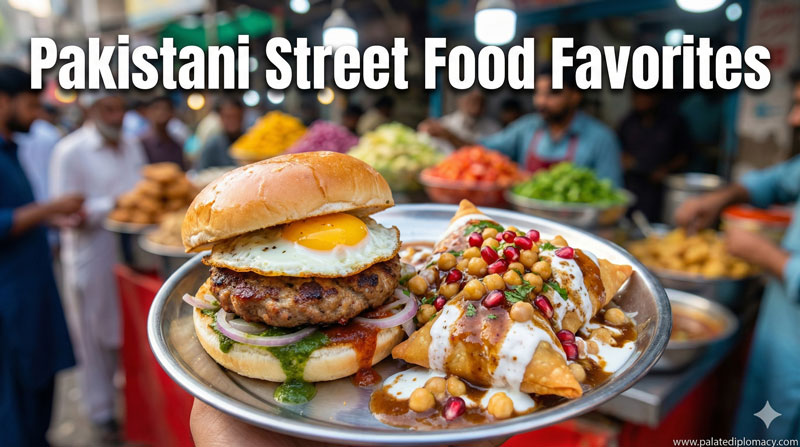
Bun kebab is a beloved street snack in Pakistan. It pairs a soft, warm bun with a juicy, spiced minced meat patty. Vendors grill the kebab over charcoal, and the scent fills nearby streets. People gather at busy stalls to chat, drink chai, and share a bite. The dish is quick to make, friendly to a hungry traveler or a curious student. The Story of bun kebab is a story of community, craft, and everyday joy.
Cultural Value and Community
Food carries mood as much as flavor. Bun kebab reflects daily life in many Pakistani neighborhoods. It marks small celebrations, late study sessions, and casual meetups after work. Sharing a bun with friends or family signals hospitality and warmth. The scene—steam, sizzle, and a laughing table—speaks to a culture that values connection. The dish travels easily between a bustling market corner and a cozy kitchen, always inviting and familiar. In this way, bun kebab becomes a small ceremony of welcome in everyday life.
Culinary Significance: Flavor, Texture, and Technique
The magic lies in balance. The meat patty is seasoned with cumin, coriander, garlic, ginger, and garam masala, then shaped for a snug fit inside a tender bun. Chopped onions add crunch and brightness, while fresh herbs lift the aroma. The bun acts Like a soft stage, absorbing juices without losing its form. Green chutney and tangy tamarind chutney offer bright contrasts that wake the palate. The grilling technique—hot, quick, and attentive—gives a smoky edge to the meat. Together, textures and flavors harmonize in every bite, a hallmark of skilled street-level cooking.
Regional Styles and Personal Touches
Across cities, bun kebab evolves with local tastes. In some places, a slightly sweeter bun complements a spicier filling. In others, a touch of char from the grill adds depth. Vendors may vary chutney strength, seasoning levels, or onion freshness, creating charming regional differences. Yet the core idea remains the same: a pocket of bread cradling a flavorful patty, ready for a flavorful, fast, and satisfying bite. This adaptability shows how the dish travels through neighborhoods while preserving its essence.
Serving Traditions and Social Rituals
Bun kebab arrives hot, wrapped in paper or placed in a simple plate. It is often enjoyed with a cup of chai or mint tea. Onions, lemon juice, and cilantro garnish brighten the bite and invite extra savor. People eat standing or seated near a stall, taking time to savor the aroma before the first bite. These small rituals—sharing a snack, chatting between bites, swapping chutneys—build a sense of belonging and shared taste. In this way, bun kebab nourishes not only the body but social bonds as well.
Recreating the Experience at Home
You can evoke the spirit of bun kebab with thoughtful home cooking. Start with ground meat seasoned with salt, pepper, cumin, coriander, garlic, and ginger. Form small patties and grill or pan-sear until just cooked. Toast a soft bun until lightly golden. Add the patty, then finish with onions, fresh herbs, and a dollop of green or tamarind chutney. If you like a brighter finish, squeeze a little lemon over the top. Serve with a warm mug of tea, and you recreate the comfort and warmth of a favorite street moment.
A Living, Welcoming Dish
Bun kebab stands as a bright thread in Pakistani food culture. It celebrates quick preparation, generous hospitality, and the joy of shared meals. The dish invites everyone to slow down just long enough to savor a single, delicious bite. As a staple of markets, homes, and casual gatherings, bun kebab reminds us of the power of simple ingredients, careful technique, and a welcoming table. This is why it remains a favorite—an edible hello to a culture that loves flavor, community, and continuity.