
Introduction
Chaat is a bright, welcoming family of snacks in Pakistan. It speaks to daily life, shared meals, and the joy of fresh, bold flavors. This post explores how chaat reflects Pakistani Food Culture through taste, texture, and the simple act of gathering to eat.
What is Chaat?
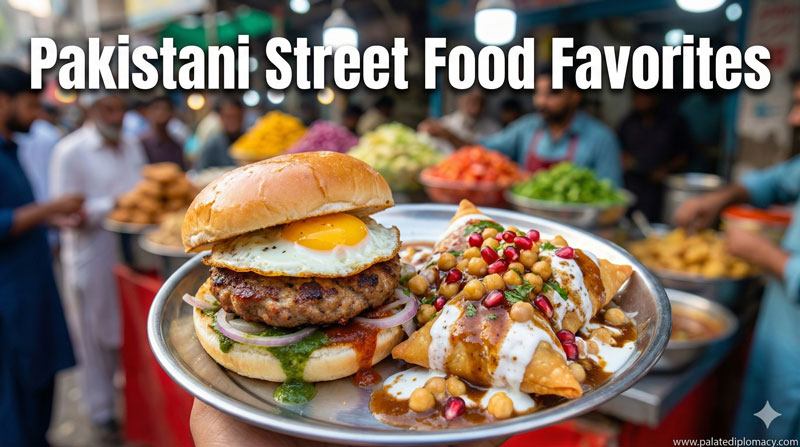
Chaat is a category of savory snacks that arrive at the table with energy. It blends crisp elements, soft fillings, and tangy sauces. Common components include fried crisps, boiled potatoes, chickpeas, yogurt, chutneys, onions, and sev. Each stall or kitchen adds its own touch, creating a personal signature within a familiar framework. The result is a dish that feels both universal and deeply local.
The Flavor Palette of Chaat
Chaat presents a bright mix of sour, salty, spicy, and sweet. Tangy tamarind and mint chutneys wake the palate. Creamy yogurt cools the heat, while chili and chaat masala spark a lively kick. A pinch of sugar or pomegranate seeds can soften sharp notes. This balance mirrors a cultural preference for food that excites the senses without overpowering them. In every bite, you taste precision, playfulness, and care.
Textures that Speak
Texture is central to chaat’s appeal. Crunchy puris or papdi provide a lively crackle. Creamy yogurt and smooth chutneys cushion the bite. Soft boiled potatoes mingle with crisp sev for a multi-layered mouthfeel. The contrast between warmth and coolness adds depth. It is a texture tapestry that invites you to slow down and savor.
A Social Dish
Chaat thrives in social spaces. Street stalls, markets, and family kitchens become stages for sharing and conversation. Vendors assemble chaat to order, inviting you to customize your plate. People gather to chat, compare notes, and enjoy the moment together. In this way, chaat acts as a social glue, turning a snack into an occasion.
Regional Twists and Seasonal Variations
Across Pakistan, chaat adapts to local tastes and seasonal ingredients. Some regions favor papdi chaat with crisp wafers, while others lean toward dahi puri or aloo tikki chaat. Fresh herbs, crunchy sev, and tangy chutneys are often adjusted to reflect what is plentiful at the moment. These regional twists highlight how food culture stays lively and responsive to place and season.
The Craft of Making Chaat
Crafting chaat is a mindful, hands-on process. Begin with clean, fresh ingredients. Boil potatoes and chickpeas until tender, then dice or mash as needed. Lay down a bed of crisp base, add layers of soft fillings, and drizzle chutneys in a balanced pattern. Finish with yogurt, onions, herbs, and a final sprinkle of sev and chaat masala. The best chaat tastes like careful preparation meets joyful improvisation.
Chaat in Everyday Life
Chaat marks many everyday moments. It graces after-school breaks, busy market strolls, and relaxed evenings at Home. It pairs beautifully with hot tea or a cooling glass of lassi. The dish’s accessibility invites everyone to participate, learn, and appreciate local flavors. By being both simple and vibrant, chaat fits naturally into the rhythm of daily life.
Caring for Traditions: Freshness and Accessibility
Great chaat depends on freshness. Crisp bases stay crisp, chutneys feel bright, and yogurt offers a gentle counterpoint. Accessible ingredients—potatoes, chickpeas, herbs, and spices—keep chaat inviting for home cooks and street vendors alike. This accessibility helps preserve chaat as a shared cultural practice that young cooks can learn from and contribute to.
Conclusion
Chaat stands as a delicious thread in Pakistani food culture. It celebrates balance, texture, and community in every bite. The dish invites curiosity, yet remains welcoming to all who wish to taste its lively spirit. By honoring fresh ingredients and shared preparation, chaat illuminates the beauty of everyday cooking and the joy of coming together to eat.