
What Makes Samosa Chaat So Special in Pakistan
Samosa chaat stands out in Pakistan for its bright colors, vibrant aromas, and the way it brings people together. It is more than a dish; it is a quick celebration of a shared table. From busy city streets to cozy home kitchens, this chaat links daily life with moments of delight. The beauty lies in how simple ingredients transform when they meet: crisp samosas, creamy yogurt, tangy chutneys, and a sprinkle of spice. The result is a bowl that invites conversation, laughter, and a sense of welcome.
In Pakistan, samosa chaat feels accessible to many. It appears at street corners, in markets, and at family gatherings. The dish travels through daily routines, turning a quick bite into a small ceremony. People greet friends over a plate of chaat, exchange tips on spice levels, and savor the moment of sharing. The cultural value here is clear: food becomes a bridge that connects neighbors, hosts, and guests, turning a snack into a memory.
This post explores why samosa chaat is special for Pakistani Food Culture and why its flavors resonate so deeply. We focus on the cultural value and the culinary significance that make this dish a beloved staple across towns and cities. The journey covers how the dish is built, how it feels to eat it, and how regional touches shape its character. The aim is to celebrate the beauty of the dish while remaining respectful and neutral in tone.
The Building Blocks of a Rich Tradition
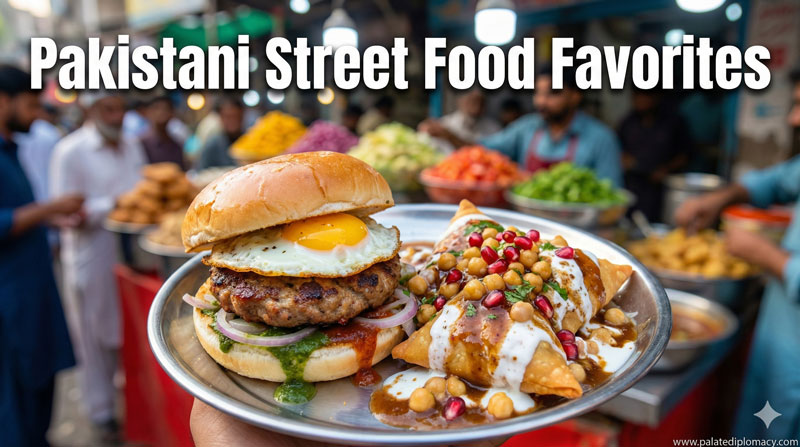
Samosa chaat centers on a few core elements that are widely recognized in Pakistan. First, two flaky, semi-crisp samosas form a sturdy base. They cradle a soft, spiced potato filling, which is then balanced by smooth, cool yogurt. Next come the chutneys: a sweet-tangy tamarind and a fresh, bright mint or coriander chutney. A handful of chickpeas adds heartiness and color. Finally, a shower of sev, chopped onions, fresh cilantro, and a dash of chaat masala crowns the plate.
This assembly is not hurried. It is a little ritual that echoes the care of home cooking. The layering of flavors and textures reflects a deep understanding of balance. The dish teaches how contrasting elements—crispy and creamy, sweet and sour, mild and sharp—coexist in harmony. The result is not just taste; it is a narrative of texture and aroma that tells a story about how Pakistan’s street and kitchen cultures intersect.
Textures That Sing in Every Bite
Texture plays a starring role in samosa chaat. The samosas offer a crisp, fried exterior that breaks softly under the bite. Inside, the potatoes provide a tender, comforting heart. Yogurt adds a cool silkiness that calms the warmth of spices. The chutneys bring a glossy, tongue-tingling sweetness and tartness. Finally, sev adds a delicate crunch that contrasts with the creamy layers beneath.
This textural contrast is intentional and refined. It invites the eater to slow down and savor the changes from one mouthful to the next. The experience is dynamic: one bite feels crisp and bright; the next feels creamy and mellow; then a final touch delivers a peppery lift from chaat masala. In this way, the dish mirrors the nuanced palate of Pakistani cooking, where texture is as important as taste.
Regional Touches Across Pakistan
Across Pakistan, a single dish can carry many local fingerprints. Cities and towns often tailor chutneys, spice levels, and toppings to regional preferences. In some places, a zestier mint chutney and a heavier yogurt drizzle dominate, creating a cooler, creamier profile. In others, a tangier tamarind glaze and a brighter, sharper spice note take the lead. Some vendors finish with pomegranate seeds or crushed coriander for a pop of color and a touch of sweetness. These subtle shifts keep the dish fresh and relevant to local palates while preserving its familiar core.
This regional spirit is part of what makes samosa chaat feel alive in Pakistan. It travels from stall to kitchen, always adapting to the day, the weather, and the tastes of the moment. Yet the essential joy remains: a shared plate that invites conversation and communal pleasure. The dish becomes a living map of the country’s culinary diversity, celebrated in every bite.
The Social Fabric: Eating Samosa Chaat Together
Sharing a bowl of samosa chaat is a social act as much as a culinary one. It appears at family meals, late-night market stalls, and gatherings after prayers or work. Friends pass the plate around, exchange tips on spice preference, and laugh over the balance of sweet and sour flavors. This social ritual strengthens bonds and creates a sense of belonging. The dish becomes a comfortable backdrop for conversation, storytelling, and hospitality.
The act of serving and receiving chaat also reveals a culture of care. A host will adjust the spice level for guests, offer extra yogurt to balance heat, and ensure the plate looks inviting with fresh herbs and a neat drizzle of chutneys. In turn, guests express appreciation through smiles, compliments, and requests for seconds. The ritual is simple, warm, and deeply human.
The Craft of Care in Every Plate
Behind every bowl of samosa chaat lies careful practice. Vendors and home cooks alike pay attention to freshness, balance, and timing. The samosas must stay crisp even as they mingle with soft chickpeas and cool yogurt. The chutneys need to be vibrant but not overpowering. The yogurt must be smoothly poured to cover without soaking the base. A light dusting of chaat masala, a scatter of onions, and a final herb finish complete the plate.
This craft extends to hygiene, which matters to many families and vendors. Fresh ingredients, clean utensils, and timely preparation align with the trust people place in food vendors and home cooks. The result is a dish that feels respectful of the eater and the cultural context in which it is enjoyed. The craft, in short, is a quiet celebration of skill, care, and shared appetite.
A Gentle Note on Enjoying Samosa Chaat
To truly appreciate samosa chaat, approach it as an experience of culture and craft. Notice how the colors greet the eye and how the aroma invites you to take a bite. Observe how the textures work together on the tongue, and how the flavor changes with each additional spoonful. This is a dish that rewards patience, curiosity, and a willingness to share.
In Pakistan, samosa chaat embodies more than taste. It embodies a friendly, open spirit. It welcomes newcomers and honors tradition at the same time. It invites people to slow down, observe, and enjoy a moment of communal delight. That gentle invitation is what makes samosa chaat So Special in the country’s food culture.
Conclusion: A Dish of Color, Culture, and Craft
Samosa chaat stands at the crossroads of everyday life and festive appetite. Its cultural value lies in how it brings people together, how it adapts to local tastes, and how it expresses care through careful preparation. Its culinary significance rests in the balance of crisp textures, creamy contrasts, and bright, balanced flavors. The dish is a living part of Pakistan’s culinary story—friendly, colorful, and endlessly shareable. In every bowl, there is a gesture of welcome, a note of tradition, and a promise of joy.