
Introduction
Chicken Karahi is a beloved dish that shines in homes, markets, and favorite eateries. It offers a lively balance of heat, brightness, and depth. This post highlights its cultural value and culinary significance, inviting readers to savor What Makes the dish So Special.
A Signature Cooking Style
The dish gets its name from the karahi, a sturdy, circular wok used for quick, high-heat cooking. The method emphasizes freshness: ripe tomatoes, garlic, ginger, and green chilies are sautéed in oil to form a bright base. Chicken pieces are added and cooked until tender. Aromatic spices provide warmth without overpowering the core flavors. The result is a glossy, aromatic curry with a distinctive edge that stays true to its roots. This technique celebrates balance, timing, and the joy of watching simple ingredients come together.
Fresh Ingredients, Bold Flavor
Quality ingredients drive the experience of Chicken Karahi. Tomatoes offer tang and sweetness, while ginger and garlic add a sharp, clean backbone. Green chilies contribute heat and character, and garam masala or chili powder offers depth. Freshly chopped cilantro adds a final lift. The dish rewards those who cook with intention: high heat for quick searing, careful stirring, and a final simmer that concentrates flavors. This approach honors the natural brightness of the ingredients and the skill of the cook.
Regional Expressions in Flavor
Across regions, Chicken Karahi grows with subtle differences. In some areas, a touch of kasuri methi (dried fenugreek leaves) or a hint of whole spices adds perfume. In others, cooks favor a blazing tomato glaze to intensify the sauce. These variations remain true to the core idea: a savory, tomato-forward curry cooked in a karahi and shared with others. The variations reflect local palate preferences and seasonal produce, not trends alone, and they celebrate cooking as a living tradition.
A Social Kitchen Moment
Cooking Chicken Karahi is often a communal experience. Families come together to prepare ingredients, arrange naan or roti for wrapping, and greet guests with the dish steaming at the center of the table. The aroma fills the kitchen and invites conversation. Serving a portion to a friend or neighbor reinforces hospitality and care. This ritualish quality—circulating bowls, offering seconds, and savoring each bite—highlights the dish’s place in everyday life and social harmony.
Pairings, Presentation, and Atmosphere
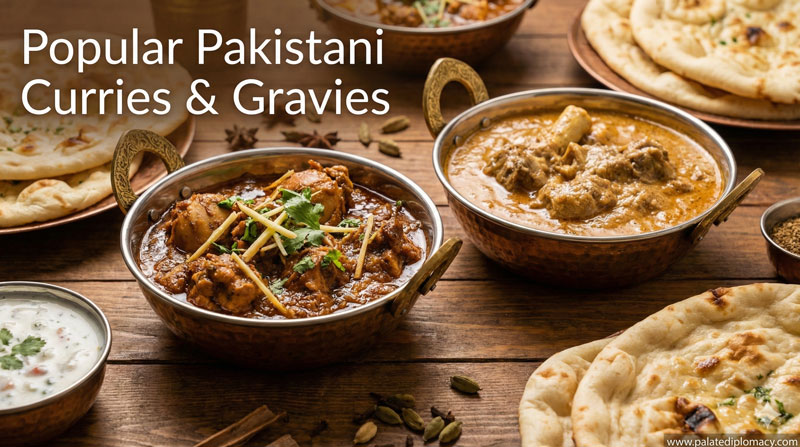
The dish pairs well with flatbreads, fresh salads, and cooling yogurts. A squeeze of lemon or a handful of fresh coriander can brighten the plate. In restaurants, Chicken Karahi often arrives bubbling hot, inviting a slow, appreciative pass around the table. The visual of glossy sauce, bright tomatoes, and green herbs invites curiosity and appetite. The presentation keeps the focus on shared enjoyment and a warm dining experience.
Why People Love It
People love Chicken Karahi for its robust yet balanced flavor, its bright aroma, and its comforting familiarity. It embodies the pleasure of cooking with fresh ingredients and high heat. It also represents a culinary rhythm: quick prep, lively cooking, and a satisfying finish. Most important, it offers a sense of belonging—at home, in a family meal, or among friends—where food becomes a moment of connection and joy.
Conclusion
Chicken Karahi stands as a vibrant thread in the fabric of Food Culture. Its simple ingredients, dynamic technique, and welcoming presence make it a dish to celebrate and enjoy. Whether cooked in a family kitchen or shared at a favorite eatery, it invites warmth, conversation, and delicious, memorable meals.