
Introduction
Discover the Rich Flavors of Mutton Korma invites you to a kitchen where time, technique, and the finest ingredients meet. This dish celebrates patience and balance. It welcomes families around a shared meal and honors the art of careful preparation. In every bite, you taste a story of aromatic spices, creamy textures, and tender mutton. The experience feels generous, comforting, and distinctly celebratory. Above all, it speaks to the way cooks honor ingredients and the joy of a meal prepared with care.
Flavor Profile and Core Techniques
Mutton Korma unfolds with a velvet sauce that coats every piece of meat. The base comes from yogurt, cream, or a delicate blend of both, which adds tang and silk. Ground nuts—usually almonds or cashews—provide a subtle nutty richness that settles the sweetness of the spices. Aromatics such as onions, garlic, and ginger build a fragrant foundation, while a carefully toasted spice mix delivers warmth without overpowering the dish. Cardamom, cinnamon, cloves, coriander seed, cumin, and bay leaves mingle with saffron or saffron-infused water for a light, golden hue and a floral lift.
The preparation favors slow, attentive cooking. First, spices are gently roasted to awaken their character. Next, a paste of onion and ginger blends with the nut paste and yogurt to form a creamy, cohesive sauce. Finally, the meat braises in this sauce, absorbing fragrance and depth as it reduces to a richly colored, spoon-coating glaze. The result is a sauce that clings to each tender morsel, offering layers of sweetness, warmth, and a mild tang that lingers beautifully after the last bite.
The Kitchen as a Cultural Stage
In many homes, Mutton Korma is more than a meal; it is a cultural ceremony of care. The dish invites cooks to slow down, open doors to aroma, and share the labor of a recipe handed down through generations. The kitchen becomes a stage where small rituals—measuring spices, grinding pastes, and watching the sauce thicken—become acts of devotion. Families gather around the stove and savor not only the food but also the quiet conversations and laughter that rise with the steam. In this way, Mutton Korma models hospitality: it asks for attention, gives warmth in return, and creates a moment of togetherness that lingers in memory long after the plates are cleared.
Regional Traditions and Influences
Across regions, variations of Mutton Korma reflect local tastes and seasonal ingredients. In some kitchens, a touch of cream or coconut adds gentle richness, while in others, the sauce leans toward tang from yogurt and a bolder nuttiness from almond paste. Special occasions shape how the dish is prepared and served. For instance, the use of saffron for aroma and color is celebrated in many festive menus, while the choice of nuts may reflect what is available in a particular season. Each version honors the same core idea: a creamy, spiced sauce that elevates the meat without overpowering it. The result is a family-friendly dish that travels well from a busy weeknight to a special celebration, always preserving a sense of warmth and refinement.
The Art of the Sauce: Texture and Balance
The sauce of Mutton Korma is a study in balance. Creaminess should never obscure the meat; instead, it should cradle each bite. The nuts add texture and depth, but they must be ground fine enough to dissolve into the sauce, creating smoother viscosity. Spices are layered rather than slammed together; they open gently as the sauce reduces. This technique yields a sauce that feels luxurious on the tongue—sophisticated enough for a feast, approachable enough for a home kitchen. The aroma plays a starring role, too. Fragrant notes of cardamom, cinnamon, and saffron rise first, followed by the warm, mellow scent of roasted onions and toasted nuts. The overall effect is a dish that feels both regal and intimate, suitable for celebration and everyday comfort alike.
Pairings and Serving Traditions
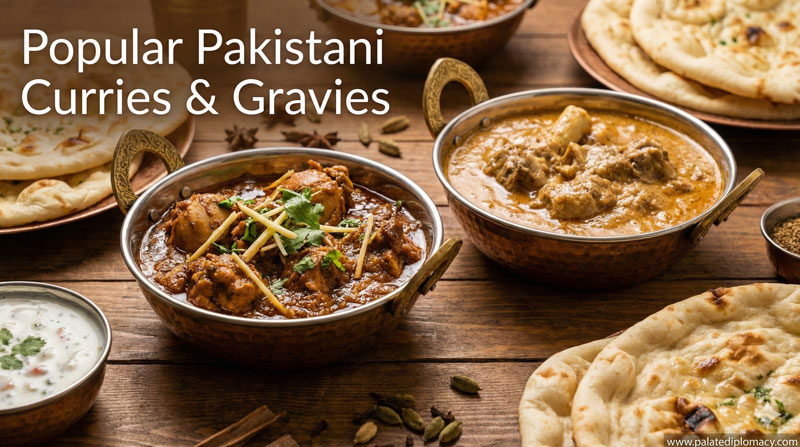
Mutton Korma shines when paired with simple, starchy staples that let its sauce shine. Basmati rice, steamed or gently pilaf-style, is a natural partner, catching every swirl of the sauce as you scoop. Naan or paratha provide a chewy, satisfying vehicle for spooning up the last bits of gravy. Garnishes such as chopped fresh cilantro, slivers of almond, or a delicate saffron thread can add color and a touch of brightness. Some households enjoy a small scatter of pomegranate seeds for a burst of sweetness and a pop of color. The goal is to present the dish with care, inviting guests to savor the sauce, the meat, and the balance that defines the meal.
A Simple Way to Celebrate At Home
If you wish to experience Mutton Korma at Home, start with good ingredients and a calm kitchen. Choose tender mutton with a gentle fat content for flavor without heaviness. Soak and grind fresh spices for the most vibrant aroma, and use a blend of yogurt and cream to achieve a silky texture. Sauté onions until deeply caramelized, then blend them with nuts and spice paste. Allow the sauce to simmer slowly, watching it thicken and shine. Finally, let the meat rest in the sauce for a few minutes before serving. This patient approach yields an inviting dish that honors the craft of cooking and the joy of sharing a meal together.
Conclusion
Mutton Korma reveals how a single dish can encapsulate cultural value and culinary significance in a single, elegant bowl. It celebrates patience, balance, and generosity, inviting cooks and guests to slow down, savor, and connect over a fragrant, comforting meal. The dish stands as a tribute to the beauty of thoughtful preparation and the power of food to bring people together. If you seek a culinary experience that feels both refined and welcoming, Mutton Korma offers a warm invitation to explore and enjoy.