
Introduction
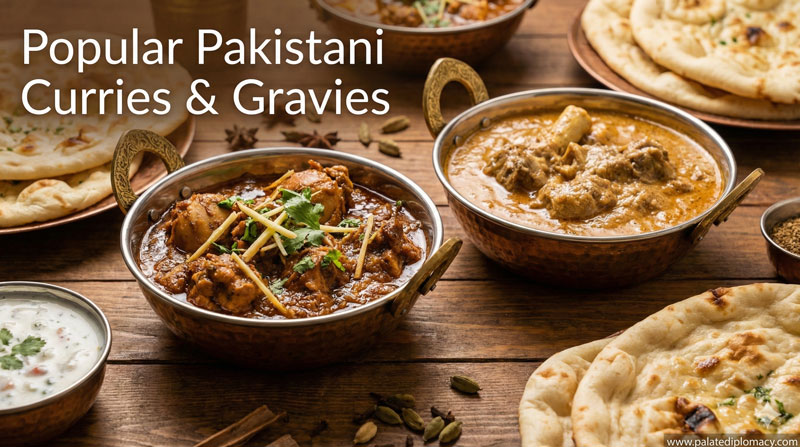
Chicken Karahi is a vivid expression of Pakistan’s Food Culture. It teams quick, lively cooking with generous hospitality. The dish shines in homes, at street corners, and in family gatherings. Its warmth comes from fresh ingredients, bold flavors, and the shared joy of eating together. In this post, we explore why Chicken Karahi holds a special place in culinary life and How It symbolizes tradition, skill, and community.
What makes Chicken Karahi unique
A karahi is a wide, deep pan that lets flavors bloom. The chicken is seared, then cooked with ripe tomatoes, green chilies, and a mosaic of spices. Fresh ginger and garlic boost the aroma, while the sauce thickens to a glossy finish. This combination creates bright acidity, savory depth, and a comfortable heat. The result is a dish that is both bright and comforting, easy to share, and endlessly adaptable.
The flavor profile and cooking technique
The magic starts with a hot pan and quick searing. Next, tomatoes join the chicken, releasing tangy sweetness that lifts every bite. The spices—cumin, coriander, and a hint of garam masala or chili—add warmth without overpowering the tomatoes. Fresh cilantro or julienned ginger can crown the dish, adding color and a fresh lift. The sauce sits close to the meat, not in a pool, so each mouthful feels concentrated and lively. This balance—tender meat, bright tomato, and gentle spice—defines the dish’s signature flavor.
Pairings and serving customs
Chicken Karahi pairs beautifully with naan, roti, or steamed basmati rice. A cool side of yogurt-based raita or a crisp salad brightens the plate. In many homes, the dish is shared directly from the karahi, reinforcing a sense of togetherness. The act of serving, then eating, becomes a social moment that families remember and repeat with care. The presentation is simple yet elegant, inviting conversation as much as appetite.
Cultural value: a dish of hospitality and craft
The cultural value of Chicken Karahi lies in its accessibility and its craft. It is a dish that cooks can make with everyday ingredients, yet it rewards careful technique. Home cooks pass it down with tips on simmering time, spice balance, and timing with bread. It appears in kitchens during busy weekdays and special occasions alike, always signaling “welcome” to guests. The dish also travels through markets and street stalls, where cooks showcase the same core method with personal touches, creating a shared culinary language across communities.
Regional variations and the beauty of diversity
Across cities and homes, Chicken Karahi wears small but meaningful differences. Some cooks emphasize a livelier tomato presence for brightness. Others lean toward a richer, thicker sauce with a touch of cream or butter. Fresh chilies bring a sharper heat in some places, while others prefer a milder glow. These variations celebrate regional flavors while preserving the core identity: a quick, flavorful curry that invites communal eating. The result is a family of dishes that feels familiar and inviting, wherever you taste it.
Conclusion
Chicken Karahi stands out because it blends speed, flavor, and social warmth. It is a dish that invites people to gather, share, and enjoy the moment. Its culinary lift comes from simple ingredients treated with respect and cooked with care. Above all, its enduring appeal is the way it makes hosting feel generous and every meal feel Like a celebration of community.