
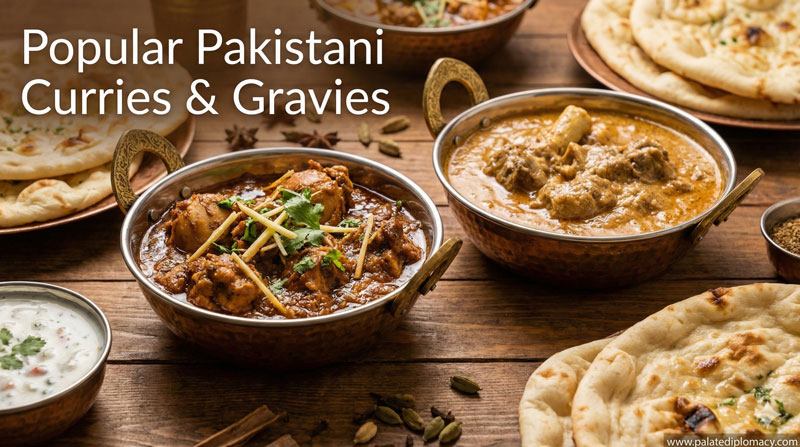
The Story Behind Mutton Korma, a Pakistani Food Favorite invites readers to savor more than a dish. It offers a window into shared meals, patient technique, and the quiet joy of a table brought together by warming aromas. This post explores the cultural value and culinary significance of mutton korma, a staple that many households honor with care and pride.
A Glimpse of a Rich Tradition
Mutton korma is more than a recipe; it is a language spoken through flavor. In many kitchens, the dish signals welcome and celebration. It travels with families through seasons and gatherings, carrying memories of gatherings around a steaming pot. The dish invites conversation, patience, and a sense of belonging. Its gentle, fragrant sauce tells a story of balance—where meat and spice, fat and dairy, are coaxed into harmony. The result is not just nourishment but a shared moment that carries forward from one generation to the next.
The Core of the Dish: Ingredients and Craft
The heart of mutton korma lies in its careful pairing of mutton, yogurt or cream, and a nutty paste. Meaty chunks simmer in a base of ghee or oil, sweet onions fried until golden, and a cluster of spices that may include coriander, cumin, green cardamom, cinnamon, and cloves. Ground almonds or cashews add a luxurious thickness, while a touch of saffron or rose water can lift the aroma. Each element is chosen to support the other, creating depth without heaviness. The technique respects the meat, letting it release its juices slowly so the sauce becomes silken and the flavors mingle gracefully. The result feels both indulgent and refined, a reminder that simple ingredients can become something larger when treated with care.
The Technique: Slow Simmering and Softening Aromas
A hallmark of mutton korma is the gentle simmer. Meat rests in a simmering bath long enough to soften, but not so long that it loses its character. Spices are toasted briefly to awaken their oils, then joined with yogurt or cream to Create a creamy veil over the meat. The cooking cadence is patient: stir softly, adjust heat, and let the mixture breathe. This calm process allows the fat to emulsify with dairy, producing a lush texture that coats the meat and coats the senses. In the kitchen, the aroma becomes a guide—fragrant, inviting, and comforting—so you know you are on the right track before the first bite.
Flavor and Aromas: A Symphony in Each Spoonful
The flavor profile of mutton korma arrives as a well-composed melody. Creaminess and nuttiness balance the bright tang of yogurt with the warmth of spices. The meat retains its character, yet the sauce wraps around it Like a velvet shawl. Subtle sweetness from fried onions and a hint of bitterness from roasted spices provide contrast that keeps the palate engaged. Each spoonful reveals subtle notes that echo long after the meal ends. The dish invites you to pause, take a breath, and appreciate how aroma and texture cooperate to create a memorable moment at the table.
Dining Rituals: How It Fits the Table
Mutton korma often takes center stage in a festive or family meal. It pairs wonderfully with plain basmati rice, fragrant saffron rice, or tender naan. A crisp cucumber salad or cooling raita complements the richness, offering balance and brightness. Plating tends to be simple and generous: a generous ladle over a bed of rice, a drizzle of the sauce, and a sprinkle of toasted nuts or fresh herbs. The way it is served reinforces a spirit of sharing and hospitality. When guests gather around the table, the dish becomes a medium for conversation, thanks, and togetherness.
Regional Variations: A Tapestry of Small Differences
Across regions, families adapt mutton korma to their tastes and pantry staples. In some homes, a touch of fennel or peppercorn adds a lift. Others lean toward a creamier, milder version for everyday meals, while festival preparations might feature richer nut pastes and more pronounced spice notes. The same dish can feel both familiar and new, depending on the cook’s choices and seasonal ingredients. This flexibility is a sign of a living tradition—one that honors its roots while inviting personal expression.
Pairings and Presentations: Completing the Experience
The beauty of mutton korma shines brightest when accompanied by complementary sides. Mild rice and soft breads create a canvas for sauce and spice. Fresh herbs, a squeeze of lemon, or a few pomegranate seeds can add brightness to the plate. Garnishes matter: slivered almonds, pistachios, or a touch of saffron can highlight the dish’s visual appeal and aroma. The overall presentation is inviting, signaling care and generosity to everyone at the table.
A Modern Twist While Honoring Tradition
In contemporary kitchens, cooks explore lighter versions or alternative dairy options to suit different diets, yet the core idea remains intact: a slow, respectful approach to meat and sauce. Some home cooks experiment with different nut pastes or spice blends to reflect personal memories or local flavors, while restaurants may elevate the dish with precise plating or seasonal accompaniments. These adaptations keep the spirit of mutton korma alive—an emblem of culinary refinement that welcomes change without losing its essence.
Preserving a Gentle Craft for Future Eaters
As families cherish this dish, they pass down practical tips: choosing quality meat, tempering dairy to avoid curdling, and balancing spices to suit the occasion. The practice of taking time—allowing flavors to mingle, letting the sauce thicken slowly—remains a gift to future cooks. By honoring these methods, communities retain a shared skill that enriches daily meals and special occasions alike.
Conclusion: A Dish that Binds Taste and Traditions
The Story Behind Mutton Korma, a Pakistani Food Favorite, is a celebration of flavor crafted through patience, balance, and warmth. It embodies how a single dish can carry memory, invite generosity, and elevate everyday dining into something memorable. When you encounter this dish, you encounter a bridge between kitchen craft and communal joy. It reminds us that good food is more than sustenance—it is a quiet ambassador of culture, care, and connection.