
Discover the Rich Flavors of Mutton Korma
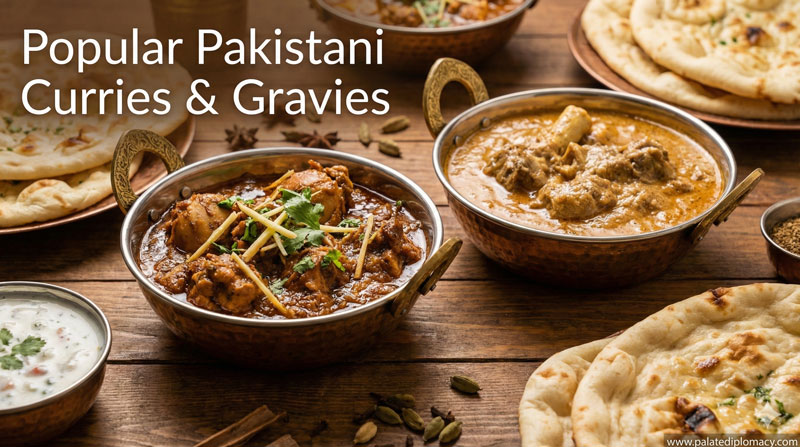
Mutton Korma welcomes you with a warm aroma and a creamy, gentle sauce. It is a dish that honors hospitality and shared meals. In many kitchens, the meat braises until it becomes tender, bathed in a silk-like gravy made from yogurt, nuts, and spices. The flavors feel balanced and calm, yet deeply expressive. This dish invites curiosity about how spices, dairy, and meat can mingle. Next, we explore the cultural threads that give Korma its place on the table.
A Glimpse into Cultural Tapestry
Across regions, Mutton Korma appears in many culinary stories. Awadhi kitchens prefer a delicate balance of sweetness and aroma. Kashmiri versions feature saffron and dried fruit for a light, fruity finish. Hyderabadi styles add a warmer, robust note with richer spice. No matter the place, the dish centers on refinement, patience, and artistry. The careful layering of ingredients becomes a small ceremony, revealing how cooks honor seasons, textures, and the joy of sharing.
The Flavor Weaving: Core Ingredients
Mutton, yogurt, and a ground nut paste form the heart of the sauce. Ghee adds a toasty richness. Spices travel from the pantry in warm waves: cardamom, cinnamon, cloves, coriander, cumin, garam masala. A touch of saffron and cream can lift the gravy to a luminous, fragrant level. Onions give body while ginger and garlic bring warmth. The result is a sauce that clings softly to meat and coats rice or bread alike.
The Craft of Quiet Slow Cooking
Patience matters. The meat braises gently, and the sauce thickens as flavors mingle. Toasting spices releases their perfume before they mingle with yogurt and nuts. The nut paste adds body without heaviness. The cooking balance respects the natural sweetness of meat and the tang of dairy. When done well, the dish feels both luxurious and comforting, a celebration of technique and care.
The Feast Moment: Serving and Savoring
Serve Mutton Korma with fragrant basmati rice or soft naan. A cool side of cucumber-radish salad or a light yogurt raita cleanses the palate. The first bite offers creamy richness, then a bright spice echo. The aroma invites conversation and a moment of gratitude for skill and tradition. The table becomes a place to savor textures, fragrances, and memories in one harmonious mouthful.
Regional Variations
Awadhi, Kashmiri, and Hyderabadi styles highlight different aspects of the dish. Awadhi Korma favors subtle spice and creamy texture. Kashmiri versions bring saffron and dried fruits for a golden, sweet note. Hyderabadi Korma tends to be richer and slightly hotter, with bold aromatics. Each rendition reflects local ingredients and seasonal availability. Yet all share a common thread: a devotion to balance, aroma, and the gentle power of slow cooking.
Tips for Home Lovers
Choose mutton from a trusted source. Use fresh yogurt and a small amount of cream for richness. Toast whole spices to wake their scent. Blend a smooth paste of almonds or cashews for silkiness. Let flavors rest a moment after cooking to meld. Finally, pair with rice or bread and a crisp salad to complete the experience.
In Closing: A Timeless Aromatic Dish
Mutton Korma stands as a warm thread in The Story of food. It celebrates care, craft, and the joy of sharing a meal. May its flavors invite you to pause, listen to the aroma, and relish the harmony of spice, dairy, and meat.