
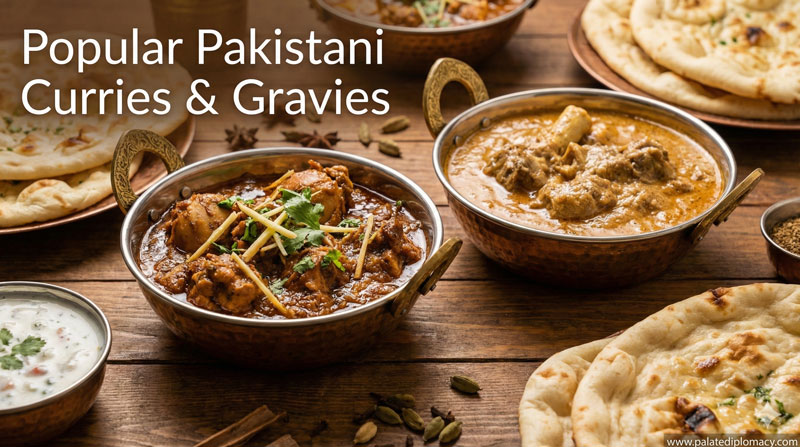
Why Chicken Karahi Is One of Pakistan’s Most Loved Dishes
Chicken Karahi shines at family meals, in busy kitchens, and at festive gatherings. The dish draws its name from the karahi, a wide, circular pan that seals in flavor quickly. Chicken pieces meet a bright, tomato-based sauce. Garlic, ginger, and green chilies wake the aroma. Spices lift the dish with warmth and character. The result is juicy chicken and a glossy, tomato-scented sauce. This combination makes Chicken Karahi a Favorite across homes and eateries. It invites conversation, smiles, and generous sharing.
A Dish That Brings People Together
This dish travels from stove to table with ease. It appears at lunch breaks, at family dinners, and at street stalls. The karahi is a hub where neighbors gather, spoons pass around, and generous portions are offered to guests. The act of serving from the same pan reinforces a sense of hospitality. The aroma travels through rooms and streets, signaling a moment to pause and enjoy. In every kitchen, Chicken Karahi becomes a memory that families return to.
The Sizzle and Spice That Define Its Flavor
The heart of Chicken Karahi is its lively sizzle. High heat seals in moisture while bright tomatoes create a fresh, tangy base. Garlic and ginger provide a warm, fragrant backbone. Green chilies add a gentle kick that brightens rather than overpowers. A balanced blend of spices—cumin, coriander, and garam masala—hums softly in the background. The sauce thickens just enough to cling to the chicken, coating each piece with flavor. This harmony of heat, tang, and aroma is why the dish feels both comforting and lively.
Regional Variations That Enrich the Tradition
Across regions, small touches shape distinct versions. In Lahore, the sauce can be richer and fuller, with a gentle sweetness from ripe tomatoes. In Karachi, a brisker finish and a touch more heat may appear. In rural Punjab, cooks may add a hint of fenugreek for depth. Garnishes vary too: fresh coriander, thinly sliced ginger, or extra green chilies. Yet the core remains the same—a quick, respectful treatment of chicken in a bright tomato base. These variations honor local tastes while keeping the essence intact.
The Social Table and Everyday Celebration
Chicken Karahi is a dish of celebration and daily life alike. It fits a quiet weeknight supper and a lively weekend spread. Guests often arrive with appetite and good spirits, and the karahi welcomes them all. The way it brings people close—sharing bowls, lifting spoons, and trading stories—defines its social value. It is more than food; it is a ritual of warmth, generosity, and human connection.
Crafting It Well: Technique and Freshness
Good Chicken Karahi hinges on technique. Use a sturdy karahi or wok that holds heat well. Add aromatics first to bloom their fragrance. Then fold in chicken pieces and sear briefly for color. Tomatoes join soon after to form a bright, silky sauce. Avoid overcooking; the goal is juicy meat and a sauce that clings to the chicken. Fresh herbs and promptly served accompaniments elevate the experience. With care, the dish becomes a showcase of skill and love for food.
Pairings and Serving: Completing the Experience
Serve Chicken Karahi with flatbreads like naan or roti, or with fragrant basmati rice. A cool yogurt raita or a crisp salad complements the spice and heat. Fresh lime wedges can add a bright, finishing touch. The meal is best enjoyed slowly, with conversation and a shared plate. These simple pairings heighten the sense of hospitality at the table.
A Living Tradition of Flavor and Culture
In its bright sauce, quick technique, and communal spirit, Chicken Karahi expresses a distinct food culture. It celebrates fresh ingredients, skilled cooking, and generous hospitality. The dish travels easily through homes and eateries, yet it remains rooted in local flavors and memories. By honoring its craft and its social role, we keep this Beloved Dish thriving for generations to come.