
Top Reasons People Love Eating Chicken Karahi
Chicken Karahi shines as a bowl of color, aroma, and warmth. This dish is quick to cook, bright in flavor, and inviting at every table. It centers on ripe tomatoes, fresh ginger and garlic, green chilies, and tender chicken. The cooking vessel—called a karahi—lets flavors mingle directly over high heat. The result is a lively, satisfying meal that feels like celebration.
Shared Tables and Hospitality
People love chicken karahi because it turns meals into shared moments. It arrives hot, with steam rising and a chorus of sizzling sounds. Friends and family gather, tear bread, scoop up sauce, and trade stories between bites. The dish invites conversation and generosity. It is a reliable choice for gatherings, from weeknight dinners to weekend feasts. In every setting, karahi meals mark hospitality as a personal and thoughtful gesture.
Signature Cookware and Technique
The karahi pan is central to the experience. Its round, deep shape concentrates heat and keeps sauce close to the meat. Chefs stir quickly, keeping the chicken juicy while the sauce thickens just enough to cling to each piece. The technique emphasizes fresh ingredients, quick cooking, and a glossy, aromatic sauce. This method preserves brightness in tomatoes and herbs, producing a dish that tastes alive from first bite to last.
Flavor, Texture, and Balance
The flavor profile is lively and balanced. Tomato provides tang and body, while garlic, ginger, and green chilies offer warmth and bite. Spices such as cumin, coriander, and a touch of garam style warmth create depth without heaviness. The chicken remains tender and succulent, and the sauce coats each piece with a velvety finish. Fresh cilantro or green herbs add a final brightness. The overall taste is inviting, bright, and deeply satisfying.
Regional Expressions and Traditions
Across regions, home cooks and chefs bring subtle differences to chicken karahi. In some areas, cooks favor a slightly thicker sauce with more tomato and a vivid chili presence. In others, a lighter, citrusy note appears from a squeeze of lemon or a scatter of chopped herbs. The dish adapts to local ingredients while preserving its core appeal: fast, flavorful, and portable from stove to table. Garnishes vary too, from sliced chilies to fresh coriander, each adding a distinct aroma and color.
Pairings, Presentations, and Rituals
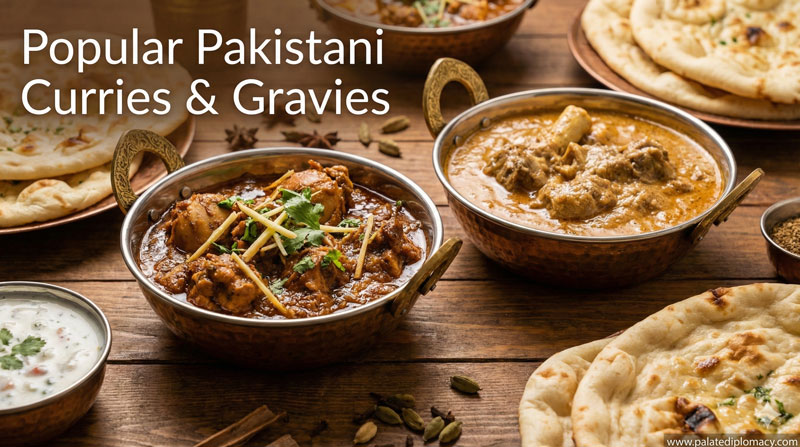
Chicken karahi pairs beautifully with flatbreads such as naan or roti, which are perfect for scooping sauce. A side of cool cucumber salad or a yogurt-based raita balances heat and creaminess. Steamed basmati rice offers another comforting option. The presentation—bright red sauce, green herbs, and a steaming skillet—creates an inviting scene that enhances the dining experience. Serving in the karahi itself can add a festive touch at the table, reinforcing its communal spirit.
Cultural Value in Everyday Life
This dish embodies warmth, hospitality, and togetherness. It is a staple of family meals, street-food stalls, and festive menus alike. The simple ingredients speak to seasonal abundance and everyday artistry in home kitchens. The cooking method invites skill-building and sharing, as cooks pass tips about timing, heat, and seasoning. In this way, chicken karahi supports connections, memory-making, and a sense of place around the dining table.
Conclusion
Top Reasons People Love Eating Chicken Karahi come down to flavor, technique, and the joy of gathering. The dish celebrates fresh ingredients, precise cooking, and the art of sharing a hot meal. Its versatility and vibrant character invite anyone to savor a moment of hospitality and culture. If you seek a meal that feels both simple and special, chicken karahi offers a welcoming path to a memorable dining experience.