
Why Chicken Karahi Is One of Pakistan’s Most Loved Dishes
Chicken Karahi shines in kitchens across Pakistan. It greets guests with a lively aroma and a bright, glossy sauce. The dish tells a simple but powerful story: Bold Flavors meet quick technique, all in a single pan. In homes and in street eateries, it sits at the center of shared moments and everyday meals alike.
The Pan and the Flame: Crafting the Signature Karahi
The hallmark of Chicken Karahi is the pan itself. A wide, deep karahi concentrates heat and promotes swift, even cooking. High heat wakes the garlic, ginger, and spices in oil, releasing a perfume that signals comfort. Chicken is seared to a pale seal, then mingled with tomatoes and aromatics. The sauce thickens as flavors bloom, yet everything stays vibrant. Finally, fresh herbs crown the dish, inviting a bright finish. This sequence rewards attentiveness and precision, yielding a dish that feels both confident and intimate.
A Symphony of Flavors: Core Ingredients
Tomatoes provide a tangy, sunny base that lifts the sauce. Green chilies add a gentle heat, while garlic and ginger offer warmth and depth. Ground cumin and coriander bring earthiness, balanced by a touch of turmeric or chili powder for warmth. The chicken itself carries the savory backbone, absorbing flavors quickly in the hot pan. A splash of oil or ghee glides the sauce, giving a velvety gloss. Each bite blends spice, acidity, and aroma into a cohesive whole. The result is not just taste; it is an experience of scent, color, and texture harmonizing in one mouthful.
Regional Touches and Personal Expressions
Across Pakistan, home cooks and chefs adapt Chicken Karahi with local notes. Some regions favor bone-in chicken for richer flavor, while others use boneless pieces for speed. The spice mix can lean toward milder warmth or a bolder heat, depending on preference. Fresh cilantro or a squeeze of lemon can brighten the finish, and a pinch of kasuri methi sometimes adds a hint of piney depth. These variations celebrate local ingredients and family preferences, while the core method remains recognizable: a quick, high-heat balance that preserves brightness and aroma.
Social Centerpiece: Food, Family, and Friends
Chicken Karahi is often prepared with company in mind. The sizzling pan becomes a focal point, inviting conversation and shared appetite. In many households, the dish arrives at the table steaming, steam curling into the air as naan or roti waits nearby. It is common to serve it with simple accompaniments that allow the flavors to take center stage. The act of cooking—watching the sauce thicken, adjusting salt, and finishing with fresh herbs—becomes a quiet ritual of hospitality. In this way, the dish strengthens ordinary gatherings into warm, memorable moments.
Sensory Journey: Aroma, Texture, and Color
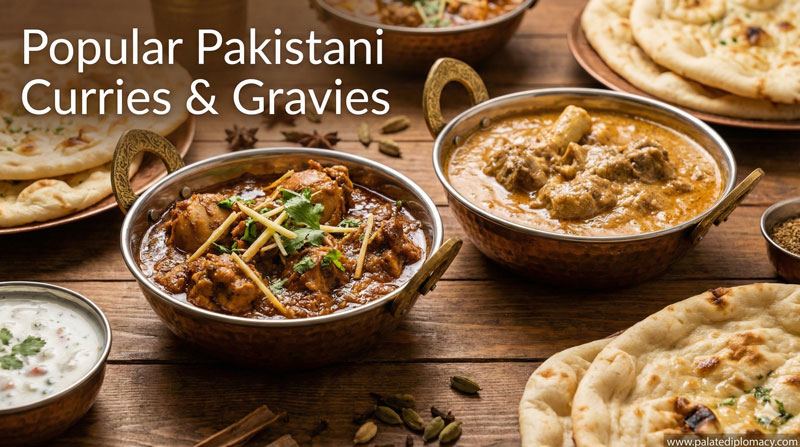
The aroma of Chicken Karahi opens the senses before the first bite. The scent of garlic, ginger, and spices mingles with a hint of smoke from the cooking pan. The sauce gleams with a ruby-orange hue, inviting and reassuring. Chicken remains juicy and tender, while tomatoes lend a soft counterpoint that balances acidity. The final texture is amply saucy but not heavy, with bits of herb and spice providing bright, fresh notes. This sensory mix is a key reason the dish feels timeless and inviting, year after year.
Preserving a Time-Honored Culinary Practice
Beyond taste, Chicken Karahi carries a sense of continuity. Techniques are passed from one cook to another, refined with each generation. Respect for ingredients shines through in the way tomatoes are chosen for ripeness, spices measured for balance, and the pan kept hot enough to seal flavor quickly. In this way, the dish remains both rooted in tradition and alive with personal expression. The result is a beloved staple that welcomes everyone to the table with warmth and care.
A Lasting Love for Chicken Karahi
Ultimately, Chicken Karahi endures because it embodies a beautiful blend of technique, flavor, and social meaning. It celebrates simplicity—fresh ingredients, honest prep, and careful timing—while offering complexity in every sip of sauce. It invites admiration for its vibrant color, its aroma, and the way it brings people together. In Pakistan’s rich Food Culture, Chicken Karahi stands as a shining example of how a single, well-crafted dish can carry memory, meaning, and joy across kitchens and communities. By savoring it, diners participate in a culinary tradition that honors craft, character, and the simple pleasure of a shared meal.