
Why Chicken Karahi Is One of Pakistan’s Most Loved Dishes
Chicken Karahi shines as a dish because it blends warmth, skill, and everyday joy. It belongs to many kitchens across Pakistan, from family homes to city streets. The oval, iron karahi pan becomes a stage where flavors meet fire, and every bite feels welcoming. This post explores its cultural value and culinary significance with respect and care.
What Makes This Dish Stand Out in Pakistani Kitchens
Chicken Karahi uses a simple idea presented with exacting care. Boneless or bone-in chicken pieces crackle briefly in hot oil, then mingle with a bright tomato sauce in a deep, circular pan. The result is a glossy, aromatic gravy that’s quick to finish. High heat keeps the edges caramelized while the center stays tender. The pan itself matters; a well-seasoned karahi helps flavors cling and bloom.
The Core Ingredients and Their Significance
The backbone of Chicken Karahi is easy to recognize and easy to get right. Chicken provides substance and a comforting texture. Tomatoes form a vibrant, tangy base that brightens the dish and carries spices. Ginger and garlic add an irresistible warmth, while green chilies bring a clean kick. Common spices include cumin, coriander, and a breath of garam masala for depth. A pinch of red chili powder can tailor the heat. Fresh coriander leaves finish the dish, offering a fresh, herbal note.
Many cooks tailor the balance to taste. Some add a touch of kasuri methi for a soft, resinous aroma. Others rely on fenugreek leaves for a subtle sweetness and complexity. The dish often relies on a straightforward flavor pyramid: brightness from tomato, warmth from ginger and garlic, and a gentle heat that invites another bite. This balance makes Chicken Karahi accessible to home cooks and beloved in busy kitchens.
The Craft: Technique and Tools
The technique centers on timing and touch. First, heat is kept brisk to sear the chicken pieces, sealing in juices. Then, aromatics join the pot to perfume the oil. Tomatoes are added to Create a thick, glossy sauce rather than a watery gravy. The cook stirs constantly, guiding flavors to coat every piece evenly. A final toss of fresh herbs lifts the dish with brightness.
Tools matter as well. A sturdy karahi pan distributes heat efficiently and lets flavors meet the air for a quick, lively finish. Carbon steel or seasoned iron pans retain heat well, helping the sauce cling to the chicken. The method emphasizes clarity and speed, letting the ingredients speak clearly without hiding behind heavy sauces.
Cultural Significance: Food as Hospitality
In many homes, Chicken Karahi is more than a meal; it is a gesture of hospitality. The dish often appears for family gatherings, weekend meals, and shared plates at the table. Its bubbling aroma fills the room and invites everyone to gather, slice naan, and partake together. Serving karahi family-style reinforces moments of togetherness and conversation. The dish becomes a familiar friend at celebrations and everyday meals alike.
Across urban eateries and traditional kitchens, the karahi stays central. Street stalls and small restaurants showcase the dish with pride, offering variations that still honor its essence. The aroma, the quick sizzle, and the communal serving create a sense of place. This consistency helps Chicken Karahi anchor the region’s culinary identity.
Regional Variations Within Pakistan
Pakistan’s regions shape many versions of Chicken Karahi, while the core idea remains the same. In some cities, cooks favor a brighter tomato base with a lighter hand on chili, producing a milder, more perfume-filled gravy. In others, the curry boasts a stronger tomato presence and a touch more spice for a bolder finish. The choice between bone-in pieces and boneless cuts also colors the texture and cooking time.
Some kitchens add a dusting of garam masala at the end for a fragrant lift, while others keep the finish clean and straightforward. Garnishes vary too: chopped coriander, julienned ginger, or extra sliced green chilies can appear as the final touch. These small choices reflect local preferences and personal tastes, all while preserving the signature sizzle and balance of the dish.
The Flavor Symphony: Taste, Aroma, and Texture
The sensory experience of Chicken Karahi is its most inviting feature. The aroma blends spice, tomato, and a hint of heat with fresh herbs. The taste pairs bright acidity with a comforting, savory sweetness. The texture offers crisp edges on chicken pieces and a velvety sauce that clings to naan or rice. The finish is clean and slightly tangy, inviting another bite rather than overpowering the palate.
This harmony makes the dish versatile. It can be enjoyed as a hearty main for a family dinner or as a bright, shareable option in a casual gathering. The same recipe adapts to different spice levels without losing its core identity, a sign of its thoughtful design.
Serving, Pairings, and Etiquette
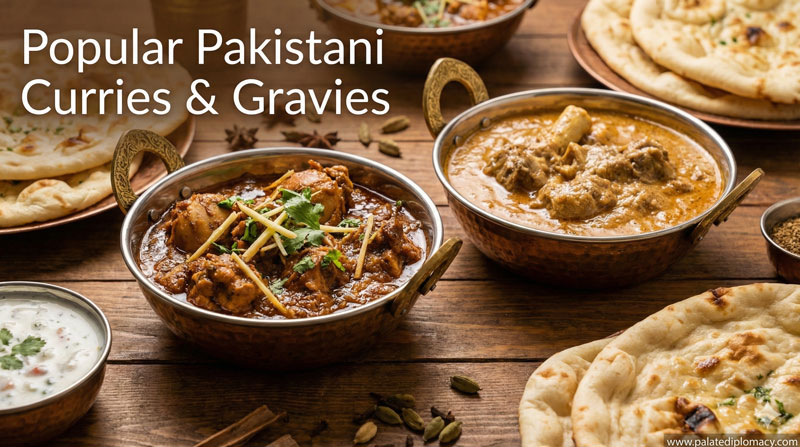
Traditionally, Chicken Karahi is served with soft, warm naan or roti and a side of fluffy basmati rice. A cooling yogurt-based condiment or raita often accompanies the dish, balancing heat and acidity. Fresh cucumber salad adds crunch and brightness to the plate. Diners typically gather around the karahi to share portions, making the meal a social experience as well as a culinary one.
Enjoying this dish is about savoring the journey of flavors. A small bite of chicken, then a bite of bread, followed by a sip of yogurt—these steps create a rhythm that many households recognize. The experience is as much about hospitality and conversation as it is about taste.
Why It Endures in Pakistan’s Food Culture
Chicken Karahi endures because it blends accessibility with artistry. The ingredients are common, the method is straightforward yet precise, and the result is deeply satisfying. It works for weeknights when time is short and for gatherings when friends and family come together. The dish invites cooks to be present, to adjust heat and spice with care, and to share what they have prepared.
In addition, the karahi dish format celebrates a practical elegance. The same pan used for a quick sear can carry the sauce to a glossy finish, creating a coherent, satisfying final product. Its versatility means it can adapt to many kitchens, from bustling urban homes to quiet rural kitchens, while keeping a strong sense of tradition.
A Gentle Invitation to Explore
If you have never cooked Chicken Karahi, you might start by choosing bone-in chicken pieces for tenderness, ripe tomatoes for brightness, and a handful of green chilies for a gentle kick. Begin with a small amount of oil and keep the heat lively but controlled. Build the base with garlic and ginger, then fold in tomatoes and spices. Finish with fresh coriander and a final stir. The result is a dish that feels both comforting and vibrant.
For readers who love regional flavors, try a version that emphasizes brighter tomato notes or a version with a deeper spice profile. The key is balance: let the tomatoes sing without washing out the spice. With practice, you’ll discover your own preferred proportion and discover how Chicken Karahi fits your table.
Conclusion: A Beautiful Staple in Pakistan’s Culinary Tolds
Chicken Karahi stands proudly as One of Pakistan’s most loved dishes because it embodies warmth, skill, and shared joy. It originates in kitchens where families cook together, where the aroma of spices fills the air, and where meals become memories. Its technique is clear, its ingredients honest, and its flavor welcoming. The dish invites curiosity, celebrates hospitality, and remains a reliable favorite year after year.
If you’re exploring Pakistani Cuisine, let Chicken Karahi be a friendly guide. It teaches how simple elements—chicken, tomatoes, spices, and heat—can join to create something greater than the sum of its parts. In every bite, you taste not only flavor but also a culture that values family, generosity, and the pleasure of good food shared together.